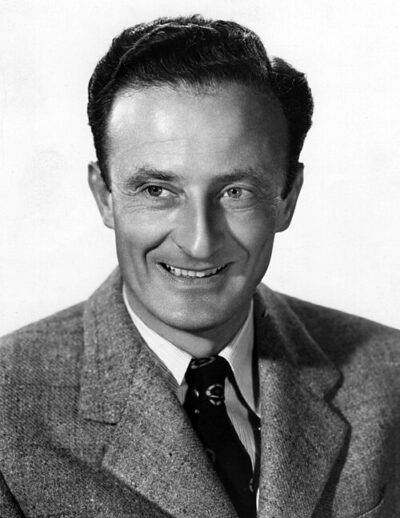
High Noon
High Noon is a 1952 film directed by Fred Zinnemann. It stars Gary Cooper, Grace Kelly and Katy Jurado. It won the Academy Award for Best Actor and 3 more.
- Released
- 1952
- Directed by
- Fred Zinnemann
- Genre
- Western film
- Country of origin
- United States
All 25 facts, and where they come from
Facts
25 facts · 0 confirmed by two sources · 15 cited · 10 from one source
Where this comes from
Papalocal keeps its own record. It started from these sources; what each one said is kept here as it was copied, so a change on their side never changes this page by itself. Tap one to read its version.
What Wikidata says · copied November 16, 2026 · revision 2568774986
- Described as
- 1952 film directed by Fred Zinnemann
- What it is
- film
- Directed by
- Fred Zinnemann · 6 references
- Music by
- Dimitri Tiomkin
- Screenplay by
- Carl Foreman
- Produced by
- Stanley Kramer; Carl Foreman
- Starring
- Gary Cooper · 7 references; Grace Kelly · 5 references; Katy Jurado · 5 references; Eve McVeagh · 2 references; Thomas Mitchell · 4 references; Lloyd Bridges · 5 references; Otto Kruger · 3 references; Lon Chaney Jr.; Harry Morgan · 3 references; Lee Van Cleef · 3 references
- Genre
- Western film · 6 references; revisionist Western · 1 reference
- Released
- 1952 · 2 references; January 9, 1953 · 1 reference; July 24, 1952 · 1 reference
- Original language
- English
- Country of origin
- United States
- Awards
- Academy Award for Best Actor (1953) · 1 reference; Academy Award for Best Film Editing (1953) · 1 reference; Academy Award for Best Original Dramatic or Comedy Score (1953) · 1 reference; National Board of Review: Top Ten Films
- Wikipedias with a page
- 55
Wikidata item Q245208 (wikidata.org/wiki/Q245208), public domain (CC0). Copied 2026-11-16.
What Wikipedia says · copied November 16, 2026 · revision 1385962560
High Noon is a 1952 American Western film directed by Fred Zinnemann, produced by Stanley Kramer, and starring Gary Cooper, Grace Kelly, Katy Jurado, Thomas Mitchell, Lloyd Bridges, and Otto Kruger. The screenplay by Carl Foreman is based on John W. Cunningham's short story "The Tin Star", first published in Collier's magazine in 1947. The plot, which occurs in real time, centers on a town marshal whose sense of duty is tested when he must decide to either face a gang of killers alone, or leave town with his new wife.
Upon its release, High Noon received mixed reviews, as critics and audiences expecting typical Western action were surprised by the film's focus on moral and emotional conflict. Despite this, it was a commercial success. Though mired in controversy at the time of its release due to its political themes, the film was nominated for seven Academy Awards and won four, including Best Actor for Cooper, as well as four Golden Globe Awards.
In 1989, the film was selected by the Library of Congress as one of the first 25 films for preservation in the United States National Film Registry for being "culturally, historically, or aesthetically significant". Its story and ending have inspired numerous later films, including many westerns.
From the Wikipedia article “High Noon” (en.wikipedia.org/wiki/High_Noon), by its contributors, under CC BY-SA 4.0 (creativecommons.org/licenses/by-sa/4.0/). Copied 2026-11-16; not changed.
Confirmed Two sources agree. Cited One source, and it names where it got it. One source One source, without a reference of its own. Sources disagree The sources disagree. We show the best-supported value and keep theirs below.
Picture: Wikimedia Commons: High Noon1.JPG · See Commons file page