Ho, mia kor'
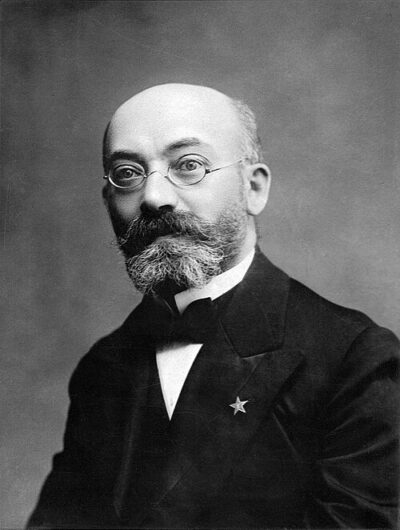
Ho, mia kor' is a poem by L. L. Zamenhof; published as an example in Unua Libro. It came out in 1887.
- Released
- July 26, 1887
- Written by
- L. L. Zamenhof
- Country of origin
- Russian Empire
All 5 facts, and where they come from
Facts
5 facts · 0 confirmed by two sources · 0 cited · 5 from one source
Where this comes from
Papalocal keeps its own record. It started from these sources; what each one said is kept here as it was copied, so a change on their side never changes this page by itself. Tap one to read its version.
What Wikidata says · copied November 17, 2026 · revision 2561596222
- Described as
- poem by L. L. Zamenhof; published as an example in Unua Libro
- Other names
- O My Heart, Ho mia kor'
- What it is
- work
- Written by
- L. L. Zamenhof
- Released
- July 26, 1887
- Language
- Esperanto
- Country of origin
- Russian Empire
- Wikipedias with a page
- 11
Wikidata item Q2254426 (wikidata.org/wiki/Q2254426), public domain (CC0). Copied 2026-11-17.
What Wikipedia says · copied November 17, 2026 · revision 1317824084
"Ho, mia kor'" is considered to be the first literary text ever published in Esperanto. It is a short poem by L. L. Zamenhof, which was written a short time before he released Unua Libro (1887), in which it was published. In The Life of Zamenhof, Edmond Privat writes, "Zamenhof wrote at this time, very short verses. They sound much like the hard breathing of a person in a building, who runs to climb five flights of stairs and finally stops behind the door" (p. 35).
The iambic pentameter (and iambic dimeter) rhythm of this poem can be considered an illustration of its subject matter.
From the Wikipedia article “Ho, mia kor'” (en.wikipedia.org/wiki/Ho,_mia_kor'), by its contributors, under CC BY-SA 4.0 (creativecommons.org/licenses/by-sa/4.0/). Copied 2026-11-17; not changed.
Confirmed Two sources agree. Cited One source, and it names where it got it. One source One source, without a reference of its own. Sources disagree The sources disagree. We show the best-supported value and keep theirs below.