
Hugo Award for Best Related Work
Hugo Award for Best Related Work is an award conferred by World Science Fiction Society. It was created in 1980.
- Given by
- World Science Fiction Society
- Created
- 1980
All 4 facts, and where they come from
Facts
4 facts · 0 confirmed by two sources · 0 cited · 4 from one source
Where this comes from
Papalocal keeps its own record. It started from these sources; what each one said is kept here as it was copied, so a change on their side never changes this page by itself. Tap one to read its version.
What Wikidata says · copied November 16, 2026 · revision 2561510423
- Described as
- award conferred by World Science Fiction Society
- Other names
- Hugo Award for Best Non-Fiction Book, Hugo Award for Best Related Book
- What it is
- science fiction award
- Created
- 1980
- Given by
- World Science Fiction Society
- Official website
- http://www.thehugoawards.org/
- Wikipedias with a page
- 6
Wikidata item Q1056237 (wikidata.org/wiki/Q1056237), public domain (CC0). Copied 2026-11-16.
What Wikipedia says · copied November 16, 2026 · revision 1378125325
The Hugo Award for Best Related Work is one of the Hugo Awards given each year for primarily non-fiction works related to science fiction or fantasy, published or translated into English during the previous calendar year. The Hugo Awards have been described as "a fine showcase for speculative fiction" and "the best known literary award for science fiction writing".
It was originally titled the Hugo Award for Best Non-Fiction Book and was first awarded in 1980. In 1998 the Award was retitled to the Hugo Award for Best Related Book, and eligibility was officially expanded to fiction works that were primarily noteworthy for reasons besides their fictional aspects. In 2010, the title of the award was again changed, to the Hugo Award for Best Related Work. In addition to the regular Hugo awards, between 1996 and 2025, Retrospective Hugo Awards or "Retro-Hugos" were available for works published 50, 75, or 100 years prior. Retro-Hugos could only be awarded for years after 1939 in which no awards were originally given. The Retro-Hugo for Best Related Work was awarded for 1945 and 1954.
During the 49 nomination years, 260 individuals and 2 organizations have had works as finalists; 61 people and 1 organization have won, including co-authors and Retro Hugos. John Clute has won four times; once by himself, once with John Grant as a co-author, once with Peter Nicholls, and once with Nicholls, David Langford, and Graham Sleight. Nicholls has won a third time, and Grant has won a second time, sharing the award with his co-authors Elizabeth L. Humphrey and Pamela D. Scoville. Thomas Disch and Ursula K. Le Guin have also won twice, both without co-authors; no other author has won more than once. The Organization for Transformative Works was the organization that won, for its Archive of Our Own fanwork repository, while the Reddit r/Fantasy Bingo team was a finalist for their 2024 Bingo Reading Challenge. Cathy and Arnie Fenner have has final ballot nominations eight times for their work on writing and editing the Spectrum: The Best In Contemporary Fantastic Art series, both the most nominations received by any author/editor and the most nominations without winning. Clute has been nominated seven times and Farah Mendlesohn seven times with one win; Le Guin five times with two wins; Isaac Asimov and Langford four times with one win; and Mike Resnick four times with no wins. The Writing Excuses team, consisting of Brandon Sanderson, Dan Wells, Howard Tayler, Mary Robinette Kowal, and Jordan Sanderson, have been nominated four times and won once. Seven other authors have been nominated three times. Many of these writers, editors, and artists have won Hugos in other categories, from Fan Writer to Best Novel.
From the Wikipedia article “Hugo Award for Best Related Work” (en.wikipedia.org/wiki/Hugo_Award_for_Best_Related_Work), by its contributors, under CC BY-SA 4.0 (creativecommons.org/licenses/by-sa/4.0/). Copied 2026-11-16; not changed.
Confirmed Two sources agree. Cited One source, and it names where it got it. One source One source, without a reference of its own. Sources disagree The sources disagree. We show the best-supported value and keep theirs below.
People connected 14
Won it
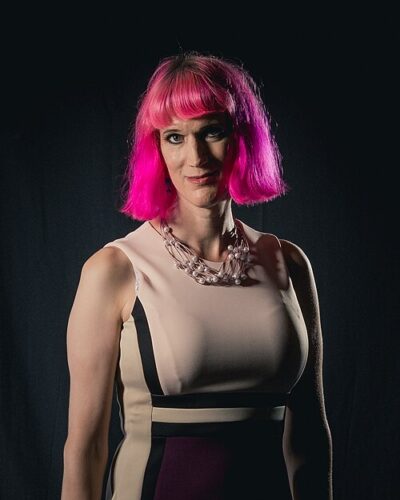 Charlie Jane Anders (2022)American author and commentator
 Brandon Sanderson (2013)American fantasy writer (born 1975)
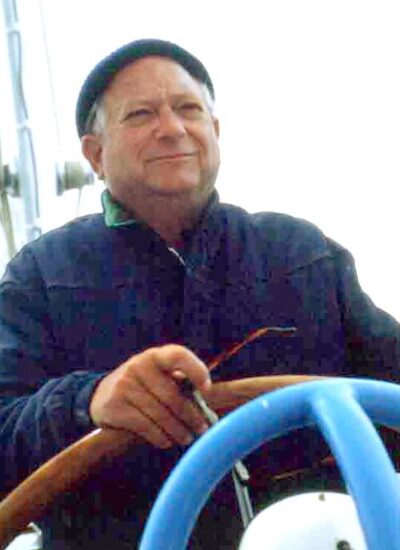 Jack Vance (2010)American mystery and speculative fiction writer (1916–2013)
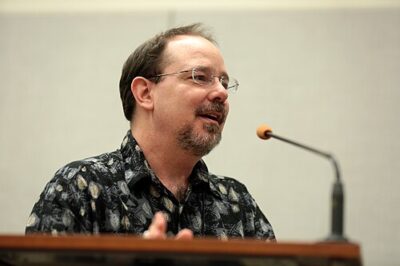 John Scalzi (2009)American science fiction writer (born 1969)
- KKate Wilhelm (2006)American science fiction writer (1928-2018)
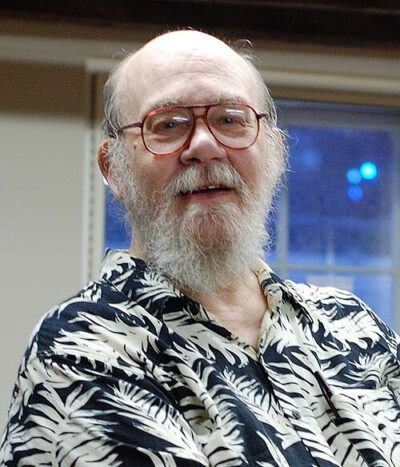 Thomas M. Disch (1999)American science fiction author and poet (1940–2008)
 L. Sprague de Camp (1997)American non- and speculative fiction writer (1907–2000)
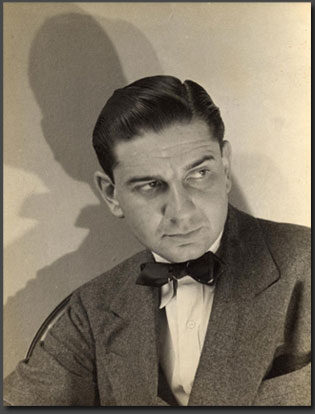 Charles Addams (1992)American cartoonist (1912–1988)
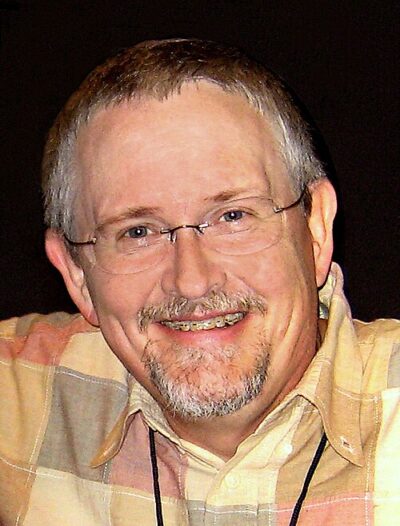 Orson Scott Card (1991)American science fiction novelist (born 1951)
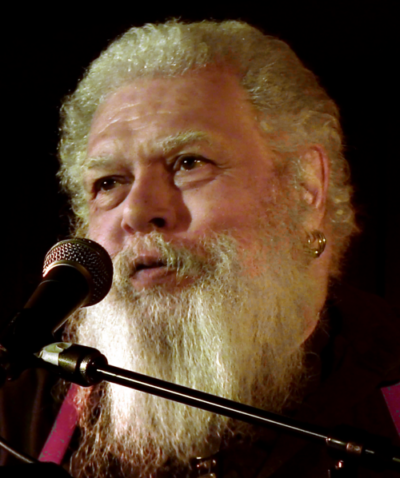 Samuel R. Delany (1989)American author and literary critic (born 1942)
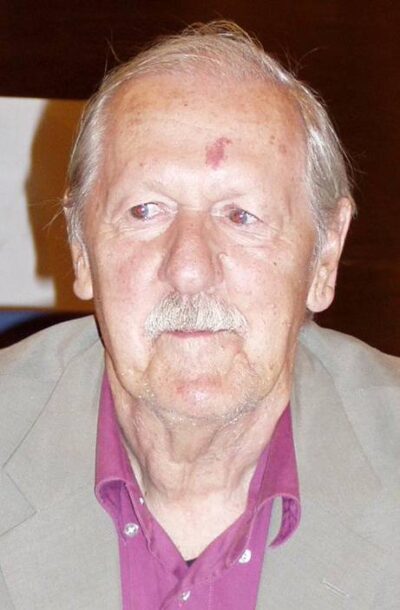 Brian Aldiss (1987)British science fiction writer (1925–2017)
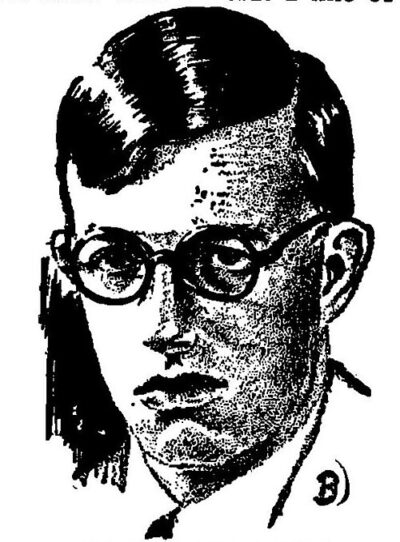 Jack Williamson (1985)American science fiction writer (1908–2006)
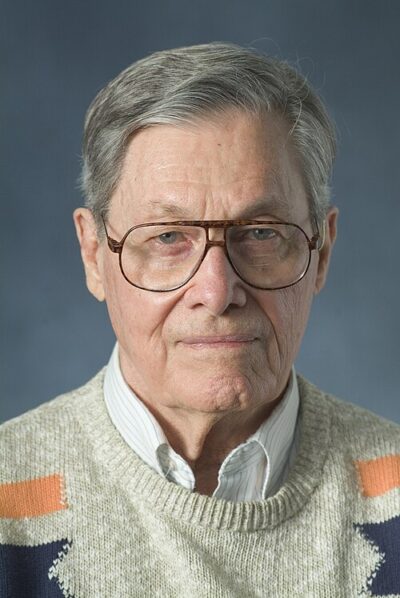 James Gunn (1983)American science fiction author (1923–2020)
 Stephen King (1982)American novelist and writer (born 1947)
