

IBM
IBM is an American multinational technology company. It was founded in 1911 by Charles Ranlett Flint and Thomas John Watson, Sr. Its headquarters are in Armonk. Its chief executive is Arvind Krishna. It has 352,600 employees (2019). It won the National Medal of Technology and Innovation (3 times) and 1 more.
- Founded
- June 16, 1911
- Founded by
- Charles Ranlett Flint
- Headquarters
- Armonk
- Industry
- software industry
- Chief executive
- Arvind Krishna (2020–)
- Employees
- 352,600 (2019)
All 22 facts, and where they come from
Facts
22 facts · 0 confirmed by two sources · 9 cited · 13 from one source
Where this comes from
Papalocal keeps its own record. It started from these sources; what each one said is kept here as it was copied, so a change on their side never changes this page by itself. Tap one to read its version.
What Wikidata says · copied November 16, 2026 · revision 2555843158
- Described as
- American multinational technology company
- Other names
- International Business Machines Corporation (Armonk, NY), IBM Corp., 18M, ibm.com, International Business Machines, I.B.M., IBM Corporation, International Business Machines Corporation, Big Blue
- What it is
- software company; business; enterprise
- Created by
- Paul Rand
- Founded
- June 16, 1911
- Founded by
- Charles Ranlett Flint; Thomas John Watson, Sr. · 1 reference
- Headquarters
- Armonk · 1 reference
- Country
- United States · 2 references
- Industry
- software industry; computer industry; IT service management
- Chief executive
- Ginni Rometty (2012–2020) · 1 reference; Samuel J. Palmisano (2002–2011)
- Chair
- Ginni Rometty (2014–) · 1 reference; John Fellows Akers (1986–1993) · 1 reference
- Employees
- 377,757 (2015)
- Owned by
- Berkshire Hathaway (2015); The Vanguard Group (2015)
- Awards
- National Medal of Technology and Innovation (3 times) (2000, 2004, 2009); Silver Anvil Award (2 times) (2010, 2012) · 1 reference
- Official website
- https://www.ibm.com/ · 1 reference
- Wikipedias with a page
- 113
Wikidata item Q37156 (wikidata.org/wiki/Q37156), public domain (CC0). Copied 2026-11-16.
What Wikipedia says · copied November 16, 2026 · revision 1385448795
International Business Machines Corporation (IBM) is an American multinational technology company headquartered in Armonk, New York, and present in over 175 countries. It is a publicly traded company and one of the 30 companies in the Dow Jones Industrial Average. IBM is the largest industrial research organization in the world, with 19 research facilities across a dozen countries; for 29 consecutive years, from 1993 to 2021, it held the record for most annual U.S. patents generated by a business.
IBM was founded in 1911 as the Computing-Tabulating-Recording Company (CTR), a holding company of manufacturers of record-keeping and measuring systems. It was renamed "International Business Machines" in 1924 and soon became the leading manufacturer of punch-card tabulating systems. During the 1960s and 1970s, the IBM mainframe, exemplified by the System/360 and its successors, was the world's dominant computing platform, with the company producing 80 percent of computers in the U.S. and 70 percent of computers worldwide. Embracing both business and scientific computing, System/360 was the first family of computers designed to cover a complete range of applications from small to large.
IBM entered the microcomputer market in 1981 with the IBM Personal Computer; its architecture remains the basis for the majority of personal computers sold today. The company later also found success in the laptop space with the ThinkPad. Since the 1990s, IBM has concentrated on computer services, software, supercomputers, and scientific research; it sold its microcomputer division to Lenovo in 2005. IBM continues to develop mainframes, and its supercomputers have consistently ranked among the most powerful in the world in the 21st century.
As one of the world's oldest and largest technology companies, IBM has been responsible for several technological innovations, including the Automated Teller Machine (ATM), Dynamic Random-Access Memory (DRAM), the floppy disk, Generalized Markup Language, the hard disk drive, the magnetic stripe card, the relational database, the SQL programming language, and the Universal Product Code (UPC) barcode. The company has made inroads in advanced computer chips, quantum computing, artificial intelligence, and data infrastructure. IBM employees and alumni have won various recognitions for their scientific research and inventions, including six Nobel Prizes and six Turing Awards.
From the Wikipedia article “IBM” (en.wikipedia.org/wiki/IBM), by its contributors, under CC BY-SA 4.0 (creativecommons.org/licenses/by-sa/4.0/). Copied 2026-11-16; not changed.
Confirmed Two sources agree. Cited One source, and it names where it got it. One source One source, without a reference of its own. Sources disagree The sources disagree. We show the best-supported value and keep theirs below.
Picture: Wikimedia Commons: IBM Watson.PNG · See Commons file page
People connected 43
Worked here 43
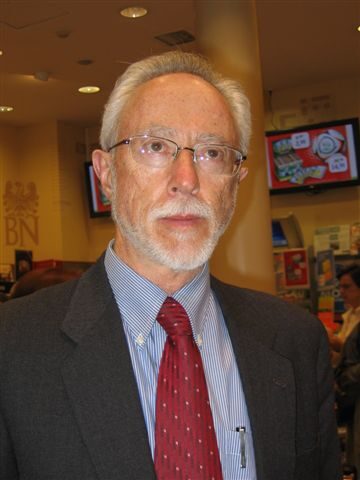 J. M. CoetzeeSouth African and Australian writer and scholar (born 1940)
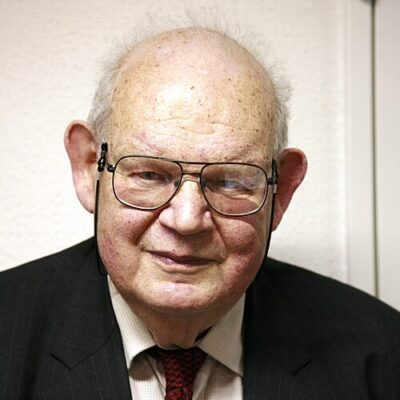 Benoit Mandelbrot (1958–1987)Polish-born, French and American mathematician (1924–2010)
 Tim Cook (1982–1994)American business executive, former Apple executive chairman
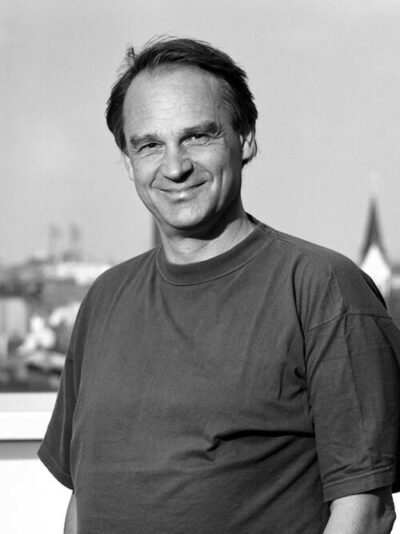 Gerd Binnig (1978–)German physicist (born 1947)
 Heinrich RohrerSwiss physicist (1933-2013)
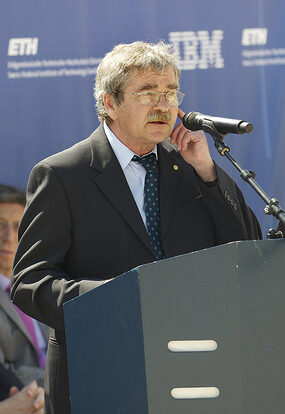 Georg Bednorzphysicist
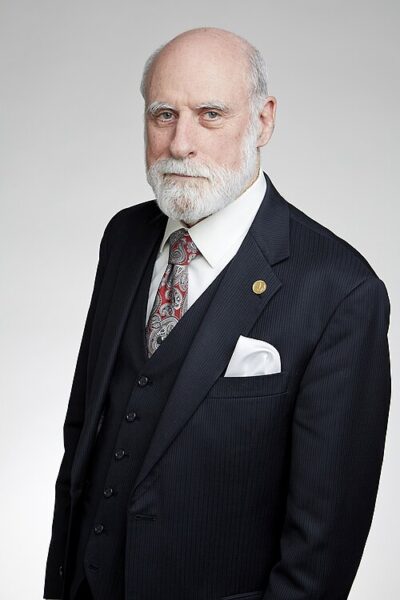 Vint CerfAmerican computer scientist (born 1943)
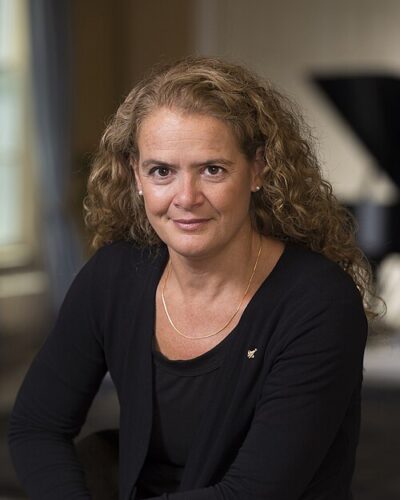 Julie Payette29th governor general of Canada, former CSA Astronaut (born 1963)
 John Backus (1950–1991)American computer scientist (1924–2007)
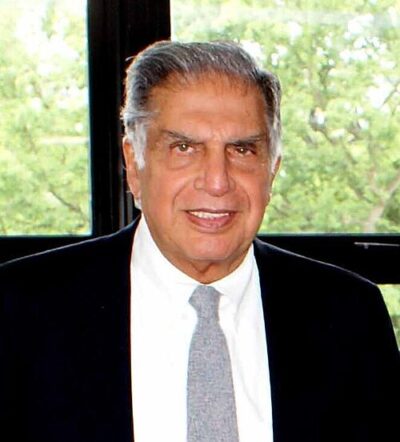 Ratan TataIndian industrialist (1937–2024)
- EEdgar F. CoddEnglish computer scientist (1923–2003)
 Frances Allen (1957–)American computer scientist (1932–2020)
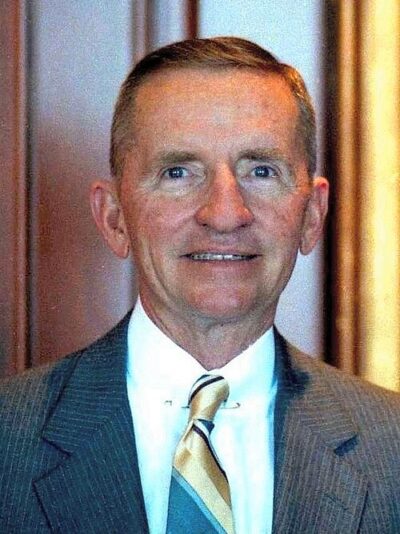 Ross Perot (1957–1962)American businessman and politician (1930–2019)
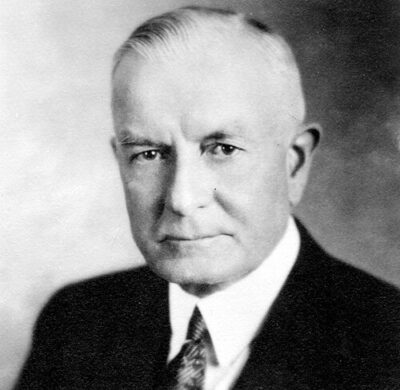 Thomas John Watson, Sr.USA IBM executive and art collector (1874-1956)
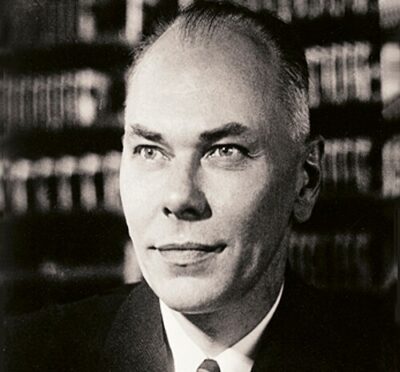 Howard H. Aiken (1937–1940)pioneer in computing, original conceptual designer behind IBM's Harvard Mark I computer (1900-1973)
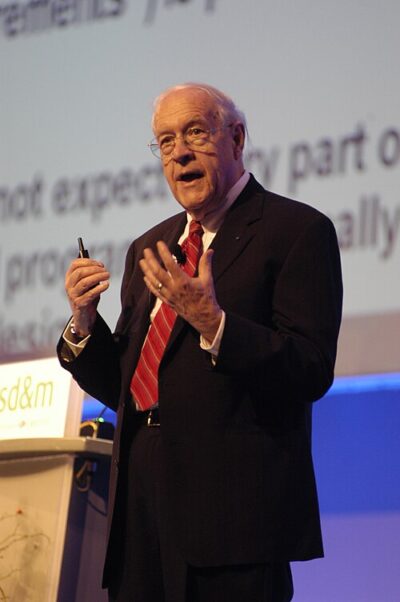 Fred Brooks (1956–1965)American computer scientist (1931–2022); author of The Mythical Man-Month and 'No Silver Bullet' (1986), which distinguished essential from accidental complexity in software engineering
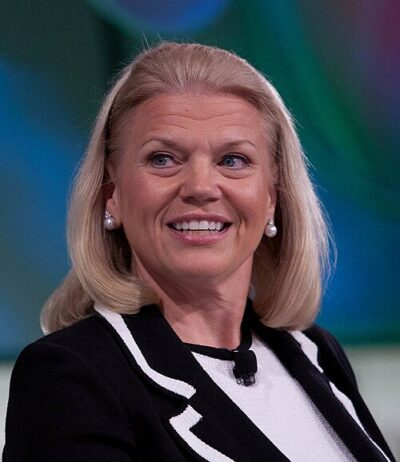 Ginni Rometty (1981–)American business executive
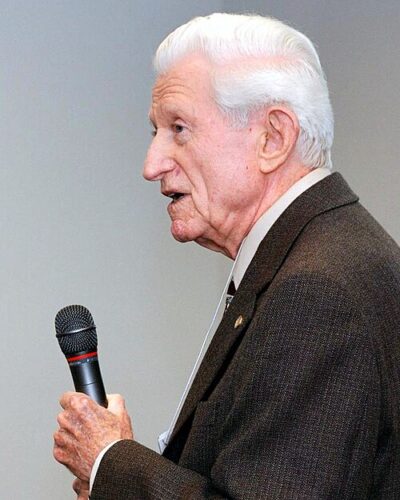 Gene AmdahlAmerican physicist (1922-2015)
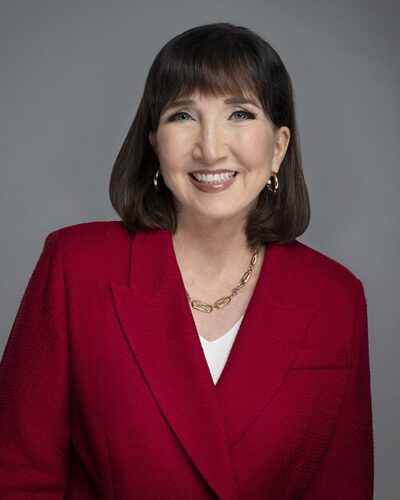 Jo JorgensenAmerican politician, 2020 Libertarian Party presidential candidate
 Lynn ConwayAmerican computer scientist and electrical engineer (1938–2024)
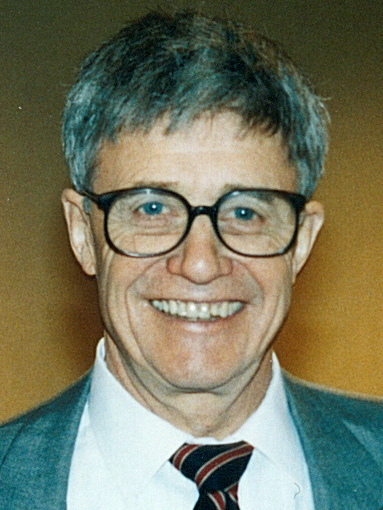 Kenneth E. IversonCanadian computer scientist (1920–2004)
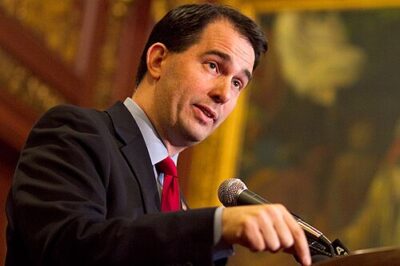 Scott Walker45th Governor of Wisconsin
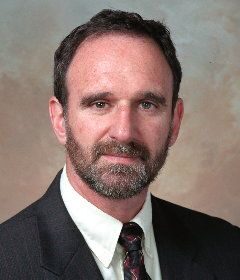 Martin Edward HellmanAmerican cryptologist (born 1945)
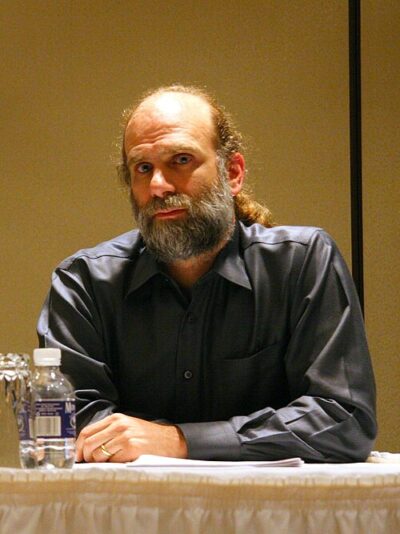 Bruce Schneier (2016–2019)American computer scientist (born 1963)
and 19 more
