Indulgents
Indulgents is a Political faction of the French Revolution. It was founded in 1793.
- Country
- France
- Founded
- 1793
All 4 facts, and where they come from
Facts
4 facts · 0 confirmed by two sources · 0 cited · 4 from one source
Where this comes from
Papalocal keeps its own record. It started from these sources; what each one said is kept here as it was copied, so a change on their side never changes this page by itself. Tap one to read its version.
What Wikidata says · copied November 17, 2026 · revision 2514492628
- Described as
- Political faction of the French Revolution
- What it is
- political party
- Founded
- 1793
- Ended
- 1794
- Country
- France
- Wikipedias with a page
- 9
Wikidata item Q1092496 (wikidata.org/wiki/Q1092496), public domain (CC0). Copied 2026-11-17.
What Wikipedia says · copied November 17, 2026 · revision 1368504379
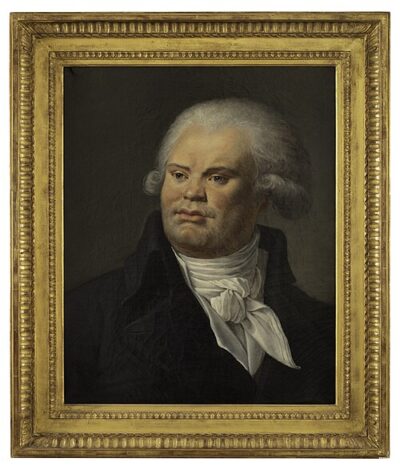
The Indulgents, or Dantonists (French: Dantonistes [dɑ̃n.tɔ̃.ists]) was a political faction formed around 1793 and centered around Georges Danton.
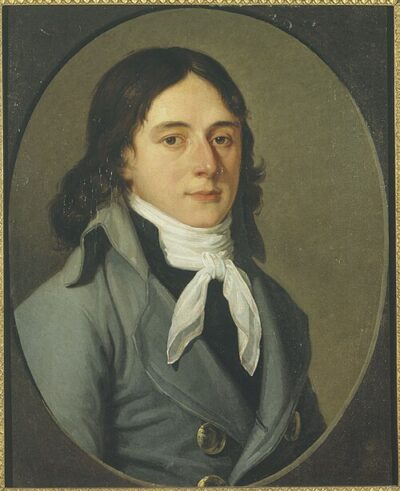
During the French Revolution, what was previously referred to as modérantisme changed after the fall of the Girondins, when revolutionaries around Danton and Camille Desmoulins also began to want to slow down the revolution in its violence. Another two famous Dantonists were Marie-Jean Hérault de Séchelles and Fabre d'Églantine. Although not a Dantonist, Jacques-Nicolas Billaud-Varenne maintained close relations with Danton. The name "Indulgents" was a derogatory term for Robespierre.
The movement emerged in the summer of 1793 as the moderate wing of the Cordeliers. At the same time, a group around Jacques Hébert developed in the other direction (Hébertists), which also met with the displeasure of the Jacobins, which also led to their destruction, two months before the Indulgents (February 1794 to April 1794).
From the Wikipedia article “Indulgents” (en.wikipedia.org/wiki/Indulgents), by its contributors, under CC BY-SA 4.0 (creativecommons.org/licenses/by-sa/4.0/). Copied 2026-11-17; not changed.
Confirmed Two sources agree. Cited One source, and it names where it got it. One source One source, without a reference of its own. Sources disagree The sources disagree. We show the best-supported value and keep theirs below.