

Japan Prize
Japan Prize is a Japanese science award. It was created in 1985.
- Country
- Japan
- Created
- 1985
All 4 facts, and where they come from
Facts
4 facts · 0 confirmed by two sources · 0 cited · 4 from one source
Where this comes from
Papalocal keeps its own record. It started from these sources; what each one said is kept here as it was copied, so a change on their side never changes this page by itself. Tap one to read its version.
What Wikidata says · copied November 16, 2026 · revision 2553779982
- Described as
- Japanese science award
- What it is
- science award
- Created
- 1985
- Country
- Japan
- Official website
- https://www.japanprize.jp/index.html?lng=ja
- Wikipedias with a page
- 26
Wikidata item Q908745 (wikidata.org/wiki/Q908745), public domain (CC0). Copied 2026-11-16.
What Wikipedia says · copied November 16, 2026 · revision 1378839011
The Japan Prize (日本国際賞, Nihon-kokusai-shō; lit. "Japan International Prize") is awarded to individuals whose original and outstanding achievements in science and technology are recognized as having advanced the frontiers of knowledge and served the cause of peace and prosperity for mankind. As of 2026, the Japan Prize has been awarded to 116 people from more than thirteen countries.
The Japan Prize is presented by the Japan Prize Foundation, which selects internationally renowned scientists and engineers to be awarded the Prize in one of two areas: one from Physics, Chemistry, Informatics, and Engineering; and one from Life Science, Agriculture, Medicine, and Pharmacy. The corresponding fields for each area are determined in advance, and each year, two awards are presented. Laureates each receive a certificate of merit, a prize medal, and as of 2020, a prize of 100 million yen. Only living individuals are eligible for the award.
The prestigious prize presentation ceremony is held in the presence of the Emperor and the Empress of Japan. According to his book Dancing Naked in the Mind Field, Kary Mullis, 1993 Nobel Laureate in Chemistry, addressed Empress Michiko as sweetie when being awarded the prize in 1993 for the development of the polymerase chain reaction. The events are also attended by the Prime Minister, the Speaker of the House of Representatives, the President of the House of Councillors, the Chief Justice of the Supreme Court, and by government ministers and representatives from various fields and industries. The 2014 Japan Prize Presentation Ceremony was held on April 23 at the National Theatre in Tokyo.
At present the international prize is often considered one of the most prestigious awards in science and technology fields after the Nobel Prize. According to an article in the scientific journal Nature Immunology, the prize is one of the prestigious science awards that recognize immunology as well as Nobel Prize, Sweden (since 1901), Albert Lasker Basic Medical Research Award, USA (since 1946), Paul Ehrlich and Ludwig Darmstaedter Prize, Germany (since 1952), Canada Gairdner International Award, Canada (since 1959), Wolf Prize, Israel (since 1978), and Crafoord Prize, Sweden (since 1980).
From the Wikipedia article “Japan Prize” (en.wikipedia.org/wiki/Japan_Prize), by its contributors, under CC BY-SA 4.0 (creativecommons.org/licenses/by-sa/4.0/). Copied 2026-11-16; not changed.
Confirmed Two sources agree. Cited One source, and it names where it got it. One source One source, without a reference of its own. Sources disagree The sources disagree. We show the best-supported value and keep theirs below.
Picture: Wikimedia Commons: Dennis Ritchie (right) Receiving Japan Prize.jpeg · See Commons file page
People connected 24
Won it
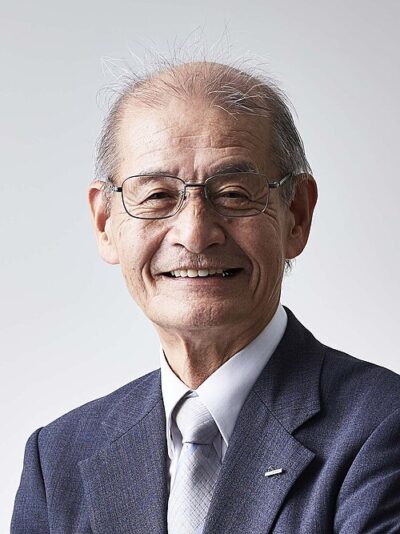 Akira Yoshino (2018)Japanese engineer and researcher (1948-), known as an inventor of lithium-ion battery
 Janet Rowley (2012)American human geneticist (1925–2013)
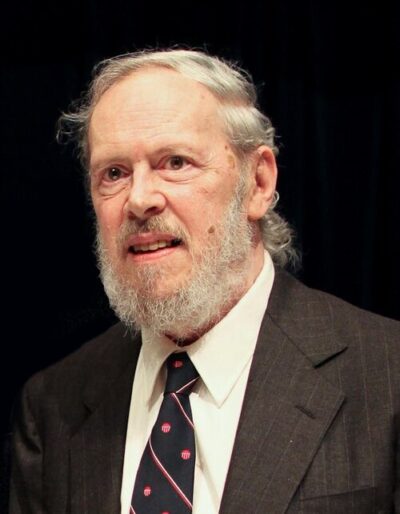 Dennis M. Ritchie (2011)American computer scientist, co-inventor of the Unix operating system and the C programming language (1941–2011)
 Ken Thompson (2011)American programmer and computer scientist, co-creator of the Unix operating system (born 1943)
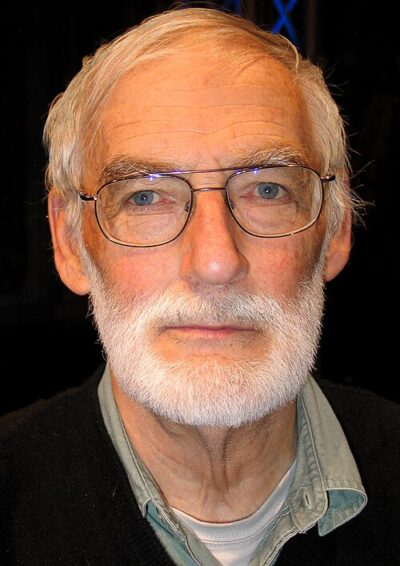 Dennis Meadows (2009)American scientist and Emeritus Professor of Systems Management, widely known as a coauthor of The Limits to Growth
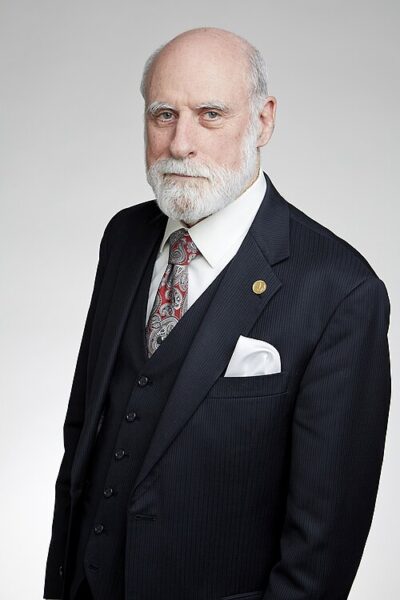 Vint Cerf (2008)American computer scientist (born 1943)
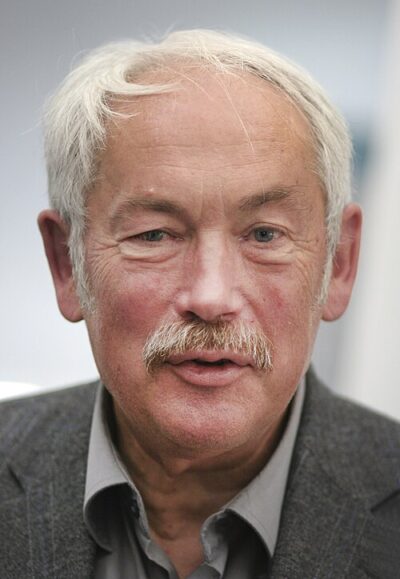 Peter Grünberg (2007)German physicist, and Nobel Prize in Physics laureate (1939–2018)
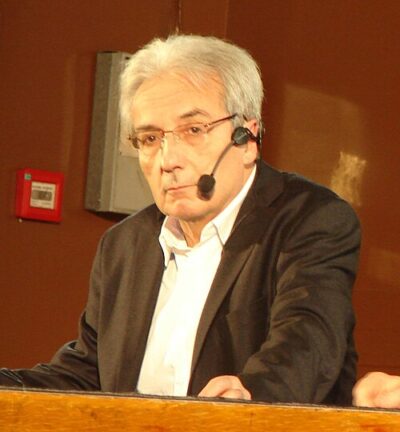 Albert Fert (2007)French physicist, Nobel laureate in physics
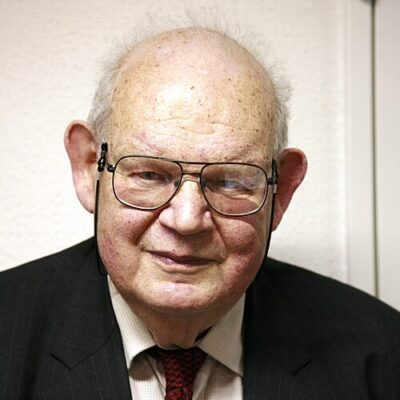 Benoit Mandelbrot (2003)Polish-born, French and American mathematician (1924–2010)
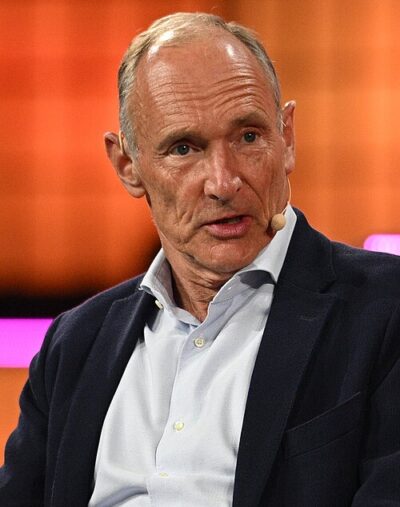 Tim Berners-Lee (2001)English computer scientist (born 1955)
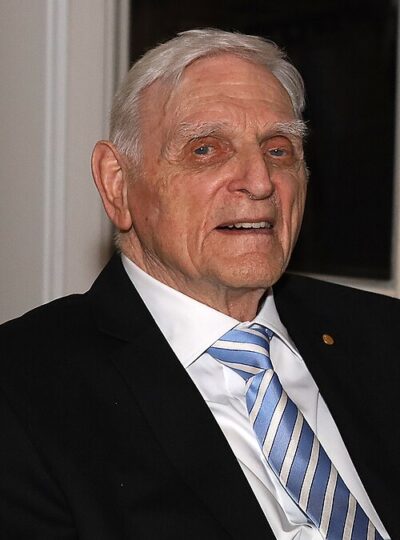 John B. Goodenough (2001)American materials scientist (1922–2023)
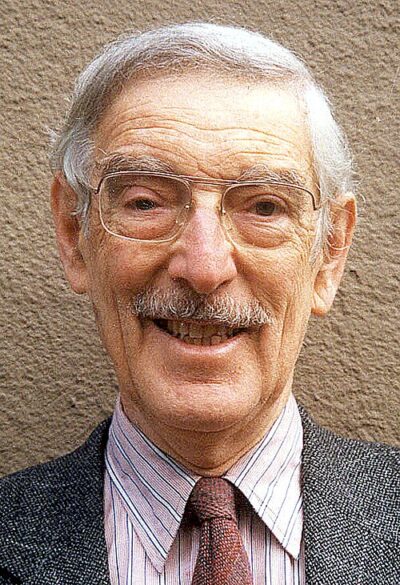 Bruce N. Ames (1997)American biochemist (1928–2024)
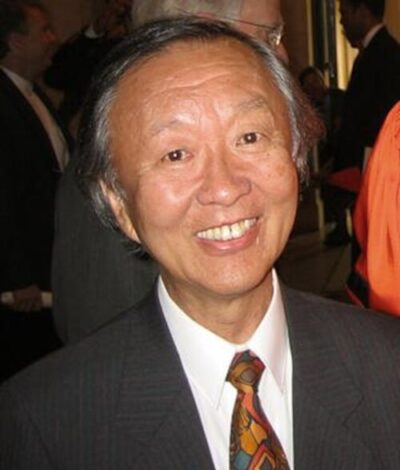 Charles K. Kao (1996)Hong Kong-British-American physicist
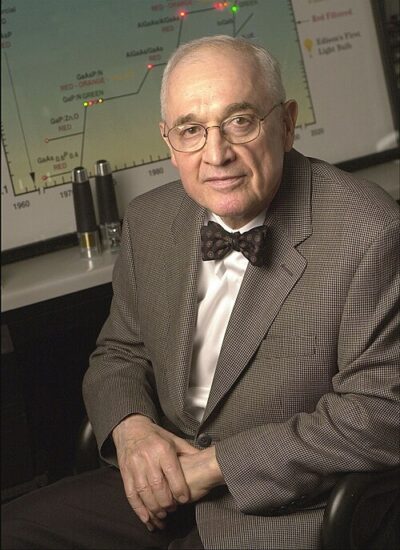 Nick Holonyak (1995)American physicist (1928–2022)
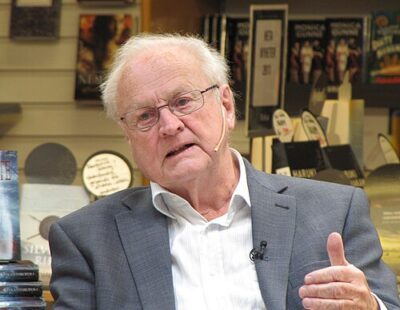 Arvid Carlsson (1994)Swedish neuroscientist
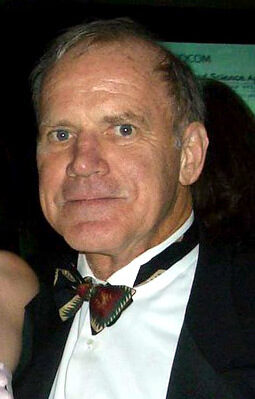 Kary Mullis (1993)American biochemist (1944–2019)
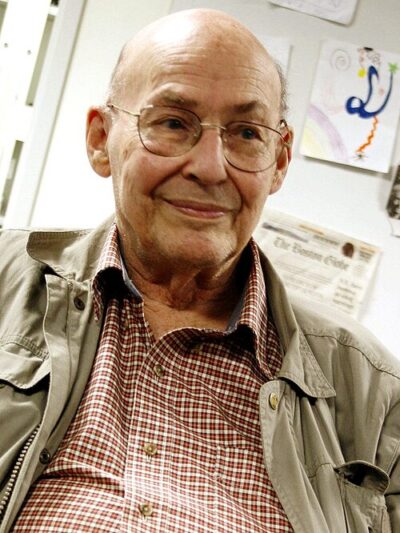 Marvin Minsky (1990)American cognitive scientist (1927-2016)
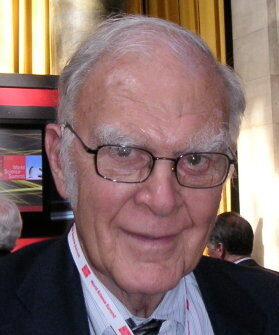 F. Sherwood Rowland (1989)American chemist (1927–2012)
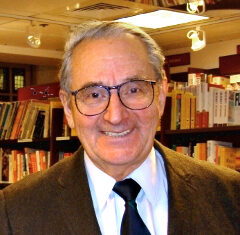 Elias James Corey (1989)American chemist
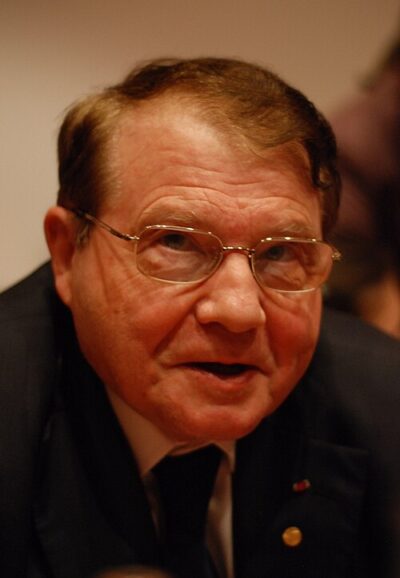 Luc Montagnier (1988)French virologist and joint recipient of the Nobel Prize of Physiology or Medicine (2008)
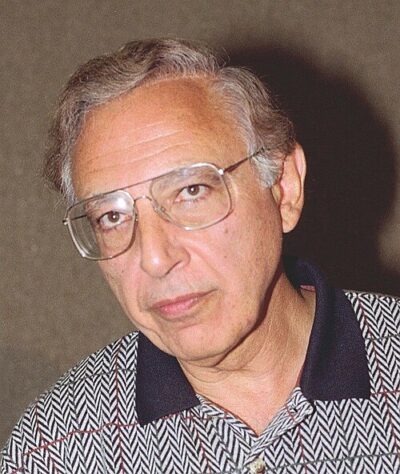 Robert Gallo (1988)American biomedical researcher
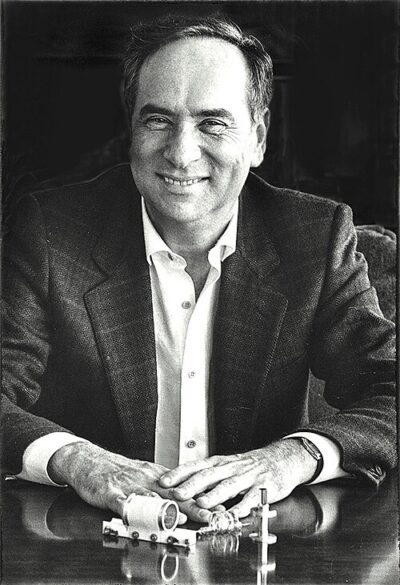 Theodore Maiman (1987)American physicist/Inventor of first working laser
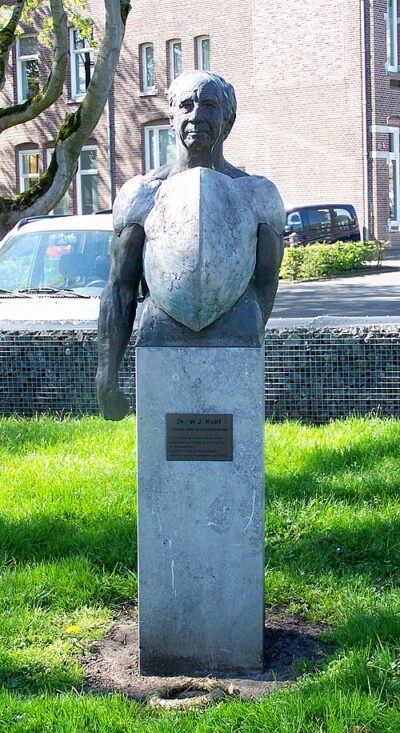 Willem Johan Kolff (1986)Dutch medical researcher (1911–2009)
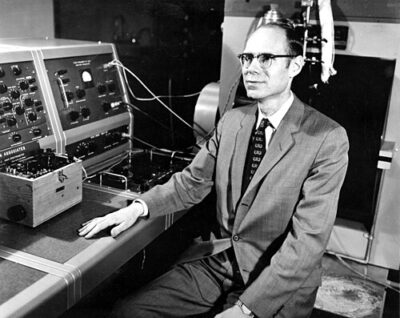 John R. Pierce (1985)American electrical engineer, acoustics expert, and author (1910–2002)
