
Johan Skytte Prize in Political Science
Johan Skytte Prize in Political Science is a Swedish award in political science. It was created in 1995.
- Country
- Sweden
- Created
- 1995
All 6 facts, and where they come from
Facts
6 facts · 0 confirmed by two sources · 0 cited · 6 from one source
Where this comes from
Papalocal keeps its own record. It started from these sources; what each one said is kept here as it was copied, so a change on their side never changes this page by itself. Tap one to read its version.
What Wikidata says · copied November 16, 2026 · revision 2569507171
- Described as
- Swedish award in political science
- Other names
- Skytte Prize, Johan Skytte Prize
- What it is
- award; prize
- Created
- 1995
- Country
- Sweden · 1 reference
- Named after
- Johan Skytte
- Official website
- http://www.skytteprize.com · 1 reference
- Wikipedias with a page
- 16
Wikidata item Q738091 (wikidata.org/wiki/Q738091), public domain (CC0). Copied 2026-11-16.
What Wikipedia says · copied November 16, 2026 · revision 1381258379
The Johan Skytte Prize in Political Science (Swedish: Skytteanska priset) was established in 1995 by the Johan Skytte Foundation at Uppsala University. The foundation itself goes back to the donation in 1622 from Johan Skytte (1577–1645), politician and chancellor of the university, which established the Skyttean professorship of Eloquence and Government.
The prize, 500,000 Swedish kronor (approximately $52,000) is to be given "to the scholar who in the view of the Foundation has made the most valuable contribution to political science". Since its creation in 1995, the Johan Skytte Prize has garnered a prestigious reputation within the social science community, earning the nickname "the Nobel Prize for Political Science." According to reputation surveys conducted in 2013–2014 and 2018, it is the most prestigious international academic award in political science.
From the Wikipedia article “Johan Skytte Prize in Political Science” (en.wikipedia.org/wiki/Johan_Skytte_Prize_in_Political_Science), by its contributors, under CC BY-SA 4.0 (creativecommons.org/licenses/by-sa/4.0/). Copied 2026-11-16; not changed.
Confirmed Two sources agree. Cited One source, and it names where it got it. One source One source, without a reference of its own. Sources disagree The sources disagree. We show the best-supported value and keep theirs below.
People connected 14
Won it
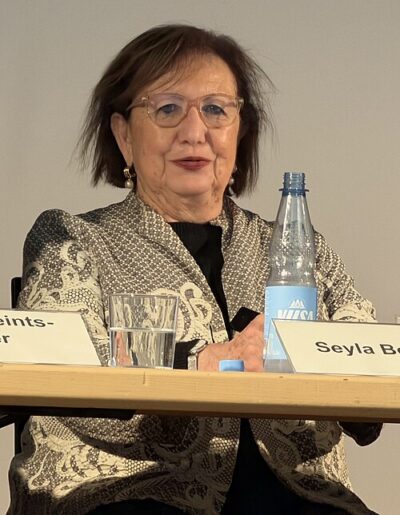 Seyla Benhabib (2026)Turkish-American philosopher and political scientist (born 1950)
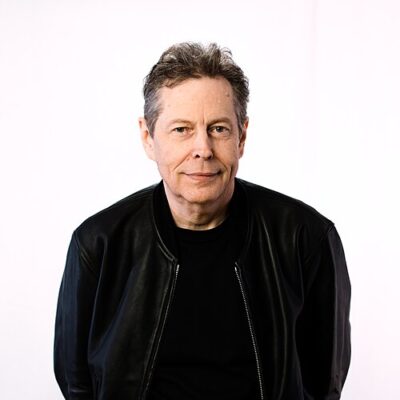 Alexander Wendt (2023)American political scientist
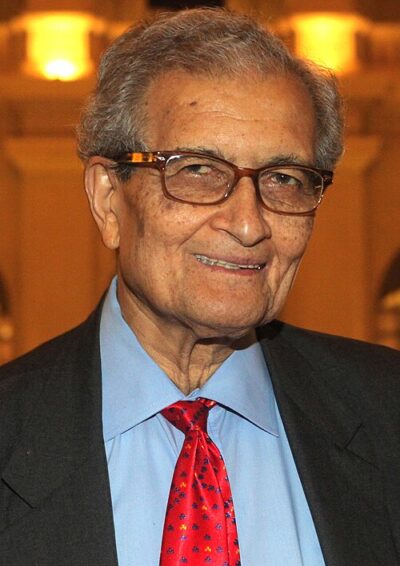 Amartya Sen (2017)Indian economist and philosopher (1933-)
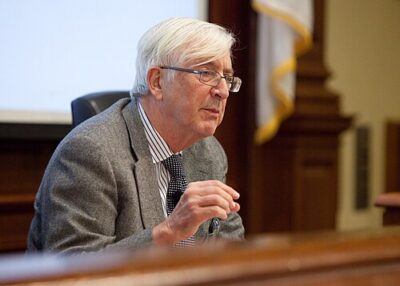 Jon Elster (2016)Norwegian philosopher and political theorist
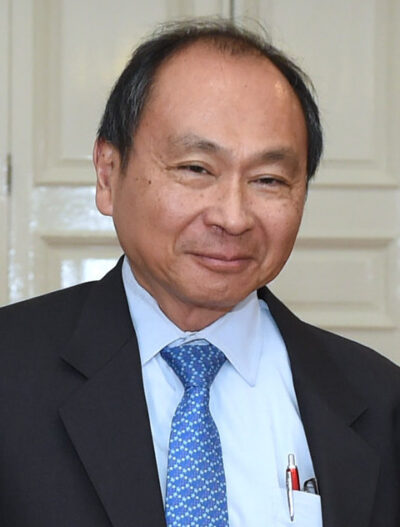 Francis Fukuyama (2015)American political scientist, political economist, and author
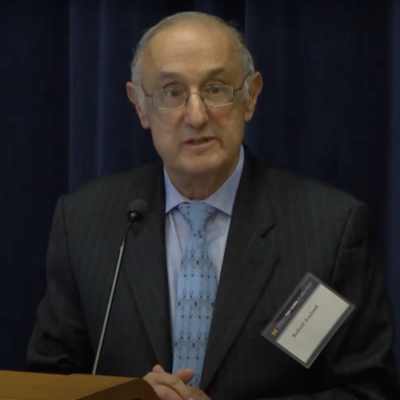 Robert Axelrod (2013)American political scientist (b. 1943)
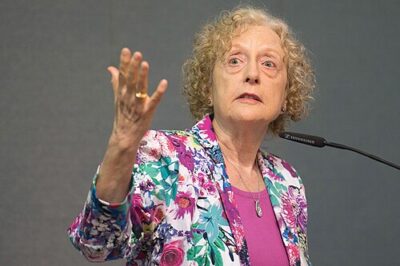 Carole Pateman (2012)British feminist, academic political theorist
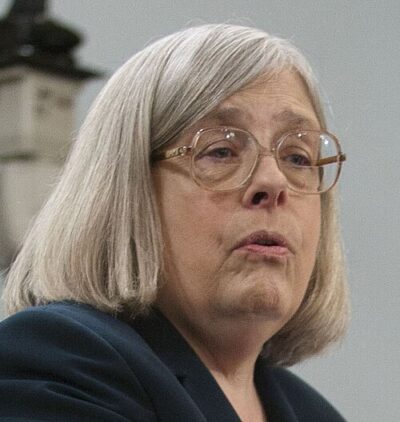 Theda Skocpol (2007)American sociologist and political scientist
- RRobert D. Putnam (2006)American political scientist
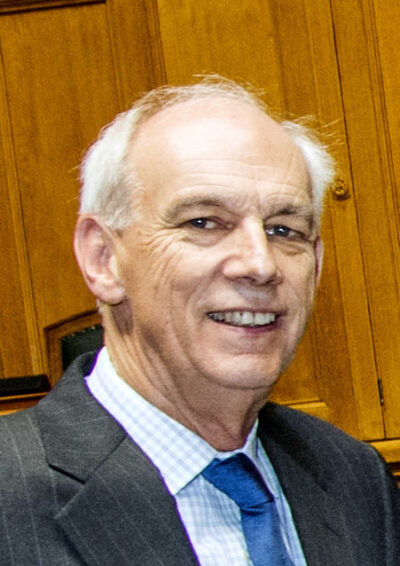 Robert Keohane (2005)political scientist from the United States
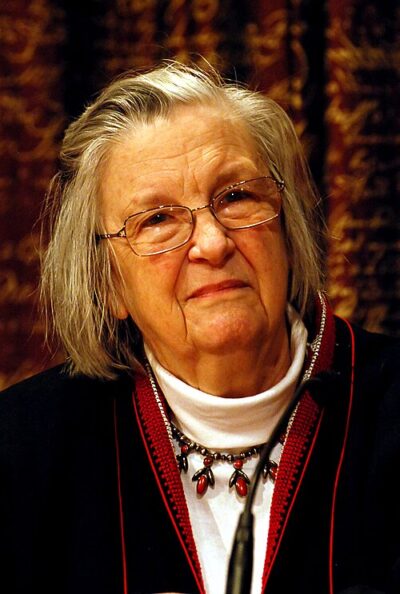 Elinor Ostrom (1999)American political economist (1933-2012)
- AArend Lijphart (1997)Dutch political scientist
- JJuan José Linz (1996)Spanish sociologist and political scientist (1926–2013)
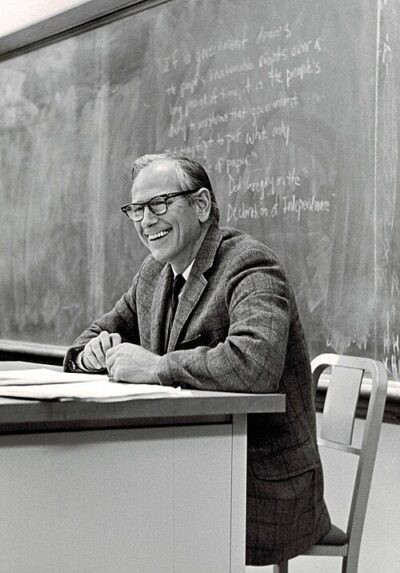 Robert A. Dahl (1995)American political scientist (1915–2014)
