Landgraviate of Hesse-Kassel
Landgraviate of Hesse-Kassel is a state of the Holy Roman Empire in 1567–1803.
- Founded
- 1567
- Country
- Holy Roman Empire
All 6 facts, and where they come from
Facts
6 facts · 0 confirmed by two sources · 0 cited · 6 from one source
Where this comes from
Papalocal keeps its own record. It started from these sources; what each one said is kept here as it was copied, so a change on their side never changes this page by itself. Tap one to read its version.
What Wikidata says · copied November 17, 2026 · revision 2488126208
- Described as
- state of the Holy Roman Empire in 1567–1803
- What it is
- state in the Holy Roman Empire; landgraviate
- Followed by
- Electorate of Hesse
- Founded
- 1567
- Ended
- 1803
- Country
- Holy Roman Empire
- Wikipedias with a page
- 36
Wikidata item Q168651 (wikidata.org/wiki/Q168651), public domain (CC0). Copied 2026-11-17.
What Wikipedia says · copied November 17, 2026 · revision 1367006425
The Landgraviate of Hesse-Kassel (German: Landgrafschaft Hessen-Kassel), spelled Hesse-Cassel during its entire existence, was a state of the Holy Roman Empire. The state was created in 1567 when the Landgraviate of Hesse was divided upon the death of Philip I, Landgrave of Hesse. His eldest son William IV inherited the northern half of the Landgraviate and the capital of Kassel. The other sons received the Landgraviates of Hesse-Marburg, Hesse-Rheinfels and Hesse-Darmstadt.
During the Napoleonic reorganisation of the Empire in 1803, the Landgrave of Hesse-Kassel was elevated to an Electorate and Landgrave William IX became an Imperial Elector. Many members of the House of Hesse-Kassel served in the Danish military, gaining high ranks and power in the realm because many Landgraves were married to Danish princesses. Members of the family who are known to have served Denmark-Norway include Prince Frederik of Hesse-Kassel, Prince Frederick of Hesse-Kassel, and Prince Charles of Hesse-Kassel. It had two votes to the Reichstag: one for itself and one for Hersfeld Abbey.
In 1801, Hesse was forced to cede land to Revolutionary France, but in 1803 it was compensated with land around the former Electorate of Mainz and was elevated to the status of Electorate as the Electorate of Hesse, officially ending the Landgraviate.
From the Wikipedia article “Landgraviate of Hesse-Kassel” (en.wikipedia.org/wiki/Landgraviate_of_Hesse-Kassel), by its contributors, under CC BY-SA 4.0 (creativecommons.org/licenses/by-sa/4.0/). Copied 2026-11-17; not changed.
Confirmed Two sources agree. Cited One source, and it names where it got it. One source One source, without a reference of its own. Sources disagree The sources disagree. We show the best-supported value and keep theirs below.
People connected 10
Citizen of
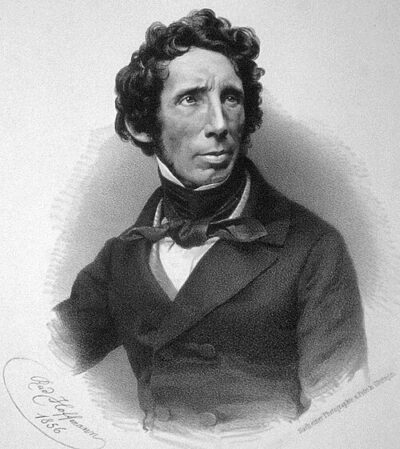 Friedrich WöhlerGerman chemist (1800-1882)
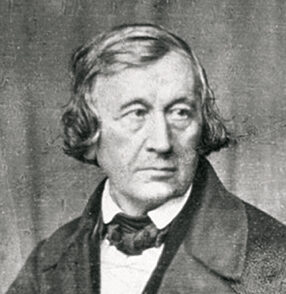 Wilhelm GrimmGerman author, philologist, collector of fairy tales and legends (1786–1859)
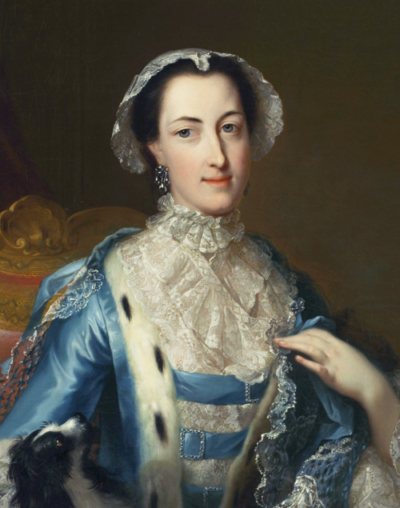 Princess Mary of Great BritainLandgravine of Hesse-Kassel (1723-1772)
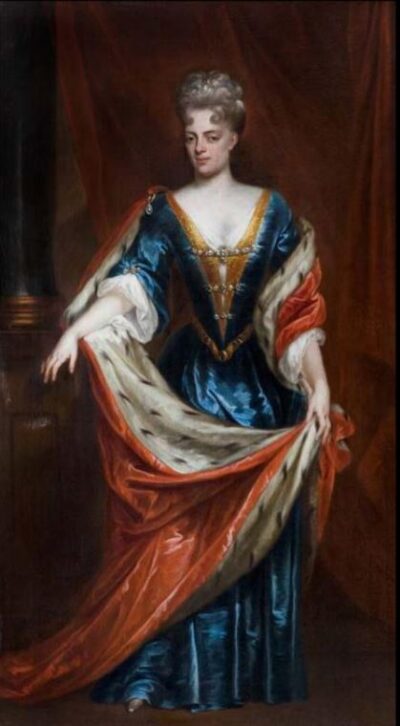 Marie Louise of Hesse-KasselDutch princess (1688-1765)
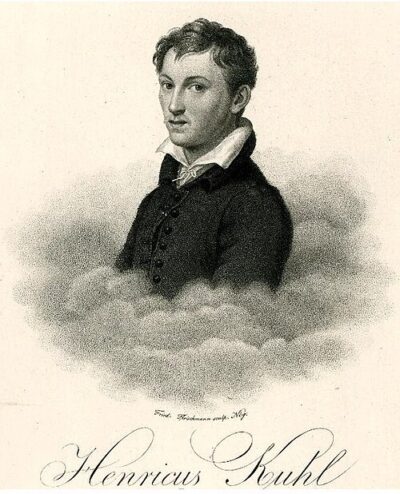 Heinrich KuhlGerman naturalist and zoologist (1797–1821)
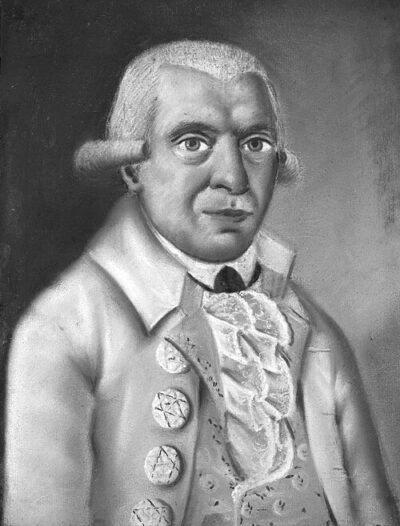 Conrad MoenchGerman botanist (1744–1805)
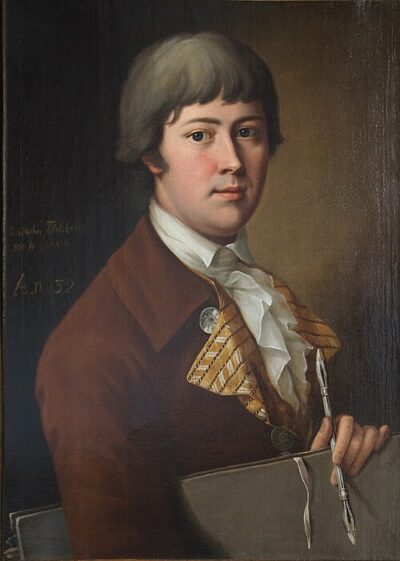 Johann Heinrich Wilhelm TischbeinGerman painter (1751–1829)
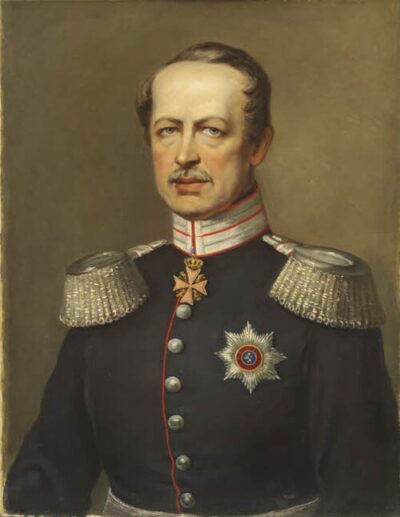 Frederick William, Elector of Hesselast Elector of Hesse-Kassel
 William VII, Landgrave of Hesse-KasselLandgrave of Hesse-Kassel