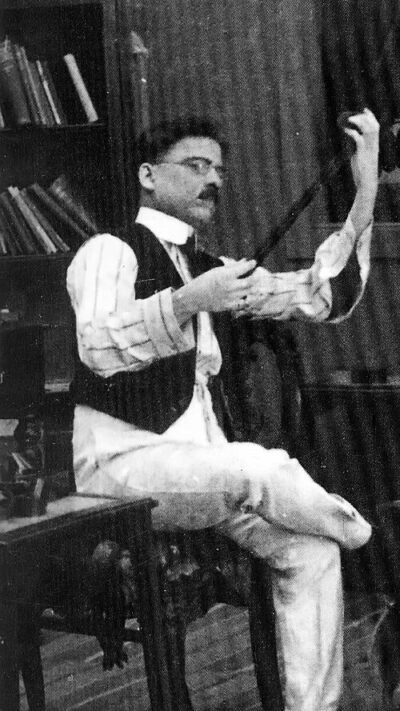
Lanka Dahan
Lanka Dahan is a 1917 film by Dadasaheb Phalke. It is based on Ramayana.
- Released
- 1917
- Directed by
- Dadasaheb Phalke
- Genre
- silent film
- Country of origin
- British Raj
All 7 facts, and where they come from
Facts
7 facts · 0 confirmed by two sources · 1 cited · 6 from one source
Where this comes from
Papalocal keeps its own record. It started from these sources; what each one said is kept here as it was copied, so a change on their side never changes this page by itself. Tap one to read its version.
What Wikidata says · copied November 17, 2026 · revision 2535825090
- Described as
- 1917 film by Dadasaheb Phalke
- What it is
- short film · 1 reference
- Directed by
- Dadasaheb Phalke
- Screenplay by
- Dadasaheb Phalke
- Genre
- silent film
- Released
- 1917
- Country of origin
- British Raj
- Based on
- Ramayana
- Wikipedias with a page
- 10
Wikidata item Q6487151 (wikidata.org/wiki/Q6487151), public domain (CC0). Copied 2026-11-17.
What Wikipedia says · copied November 17, 2026 · revision 1377985725
Lanka Dahan (English: Lanka Aflame) is a 1917 Indian silent film directed by Dadasaheb Phalke. Phalke also wrote the film based on an episode of the Hindu epic Ramayana, credited to Valmiki. The film was Phalke's second feature film after the 1913 Raja Harishchandra, which was the first Indian full-length feature film. Phalke also directed various short films in between.
Anna Salunke, who had previously played the role of Rani Taramati in Phalke's Raja Harishchandra played two roles in this film. As women were prohibited from taking part in commercial performing arts, men also played the female characters. Salunke played the male character of Rama as well as the female character of his wife Sita. He is thus credited with playing the first double role in Indian cinema.
From the Wikipedia article “Lanka Dahan” (en.wikipedia.org/wiki/Lanka_Dahan), by its contributors, under CC BY-SA 4.0 (creativecommons.org/licenses/by-sa/4.0/). Copied 2026-11-17; not changed.
Confirmed Two sources agree. Cited One source, and it names where it got it. One source One source, without a reference of its own. Sources disagree The sources disagree. We show the best-supported value and keep theirs below.