
Lionel Gelber Prize
Lionel Gelber Prize is an English literary award. It was created in 1989.
- Country
- Canada
- Created
- 1989
All 3 facts, and where they come from
Facts
3 facts · 0 confirmed by two sources · 0 cited · 3 from one source
Where this comes from
Papalocal keeps its own record. It started from these sources; what each one said is kept here as it was copied, so a change on their side never changes this page by itself. Tap one to read its version.
What Wikidata says · copied November 16, 2026 · revision 2482668078
- Described as
- English literary award
- What it is
- literary award
- Created
- 1989
- Country
- Canada
- Wikipedias with a page
- 6
Wikidata item Q3700272 (wikidata.org/wiki/Q3700272), public domain (CC0). Copied 2026-11-16.
What Wikipedia says · copied November 16, 2026 · revision 1384111186
The Lionel Gelber Prize is a literary award for English non-fiction books on foreign policy. Founded in 1989 by Canadian diplomat Lionel Gelber, the prize honors "the world's best non-fiction book in English on foreign affairs that seeks to deepen public debate on significant international issues." A prize of CA$50,000, is awarded to the winner. The award is presented annually by the Munk School of Global Affairs & Public Policy at the University of Toronto.
Recipients are judged by an international jury of experts. In 1999, The Economist called the award "the world's most important award for non-fiction". Past winners have included, Lawrence Wright, Jonathan Spence, David McCullough, Kanan Makiya, Michael Ignatieff, Eric Hobsbawm, Robert Kinloch Massie, Adam Hochschild (a two-time winner), Robert Skidelsky, Baron Skidelsky, Walter Russell Mead, Chrystia Freeland, and Steve Coll.
From the Wikipedia article “Lionel Gelber Prize” (en.wikipedia.org/wiki/Lionel_Gelber_Prize), by its contributors, under CC BY-SA 4.0 (creativecommons.org/licenses/by-sa/4.0/). Copied 2026-11-16; not changed.
Confirmed Two sources agree. Cited One source, and it names where it got it. One source One source, without a reference of its own. Sources disagree The sources disagree. We show the best-supported value and keep theirs below.
People connected 6
Won it
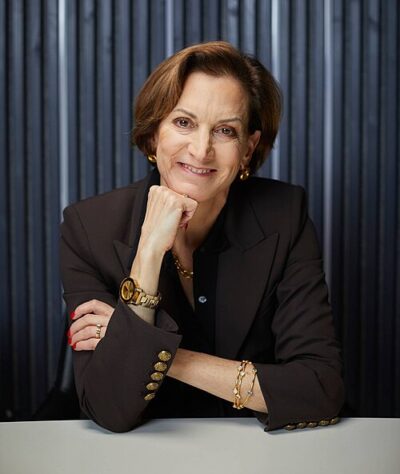 Anne Applebaum (2018)American journalist and historian (born 1964)
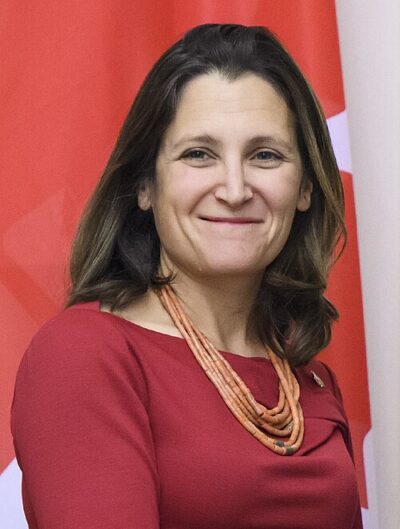 Chrystia Freeland (2013)Canadian politician and journalist (born 1968)
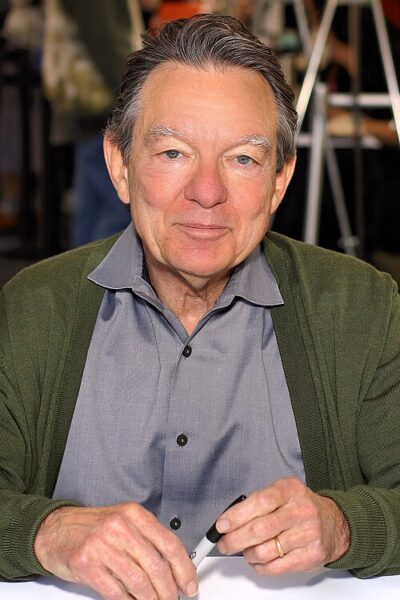 Lawrence Wright (2007)American author, screenwriter, and staff writer (1947-)
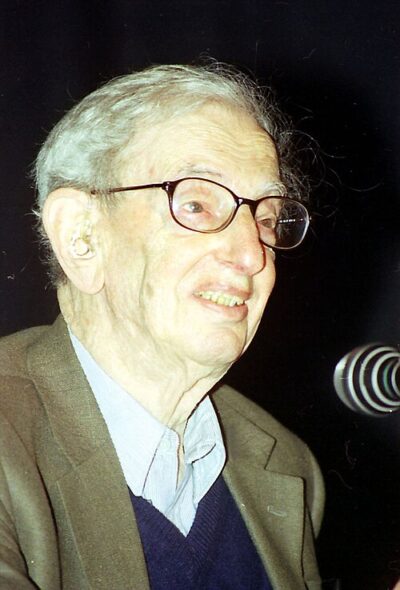 Eric Hobsbawm (1995)British academic historian and Marxist historiographer (1917–2012)
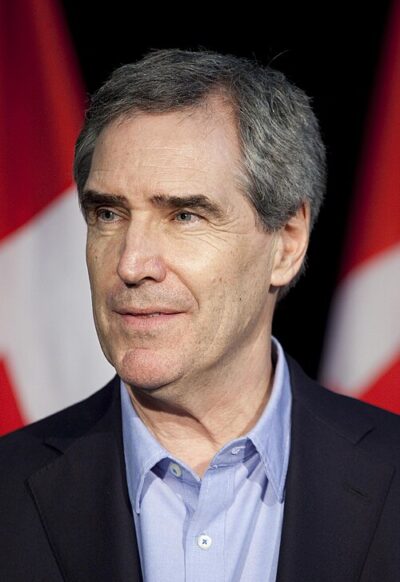 Michael Ignatieff (1994)Canadian professor, writer and politician
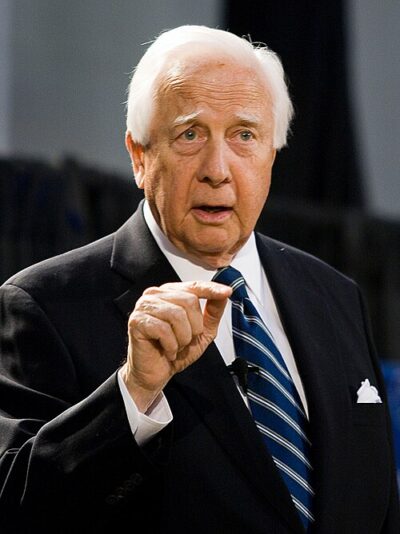 David G. McCullough (1992)historian
