

magistrate
Magistrate is a civilian officer who administers the law.
All 2 facts, and where they come from
Facts
2 facts · 0 confirmed by two sources · 0 cited · 2 from one source
Where this comes from
Papalocal keeps its own record. It started from these sources; what each one said is kept here as it was copied, so a change on their side never changes this page by itself. Tap one to read its version.
What Wikidata says · copied November 21, 2026 · revision 2567990091
- Described as
- civilian officer who administers the law
- What it is
- legal profession; legal position
- Wikipedias with a page
- 40
Wikidata item Q4594605 (wikidata.org/wiki/Q4594605), public domain (CC0). Copied 2026-11-21.
What Wikipedia says · copied November 21, 2026 · revision 1386230880
The term magistrate is used in a variety of systems of governments and laws to refer to a civilian officer who administers the law. In ancient Rome, a magistratus was one of the highest ranking government officers, and possessed both judicial and executive powers. In other parts of the world, such as China, magistrate is a word applied to a person responsible for administration over a particular geographic area. Today, in some jurisdictions, a magistrate is a judicial officer who hears cases in a lower court, and typically deals with more minor or preliminary matters. In other jurisdictions (e.g., England and Wales), magistrates are typically trained volunteers appointed to deal with criminal and civil matters in their local areas.
From the Wikipedia article “Magistrate” (en.wikipedia.org/wiki/Magistrate), by its contributors, under CC BY-SA 4.0 (creativecommons.org/licenses/by-sa/4.0/). Copied 2026-11-21; not changed.
Confirmed Two sources agree. Cited One source, and it names where it got it. One source One source, without a reference of its own. Sources disagree The sources disagree. We show the best-supported value and keep theirs below.
Picture: Wikimedia Commons: Lyman Poore Duff.jpg · See Commons file page
People connected 41
Occupation 40
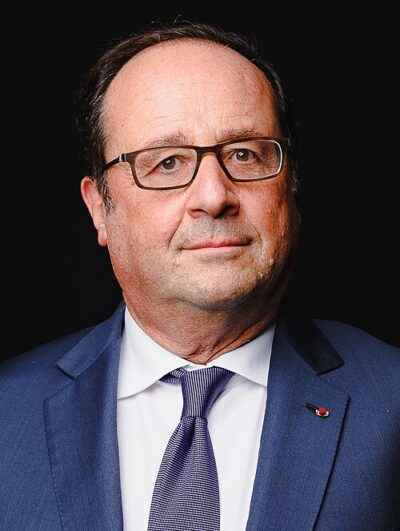 François HollandePresident of France from 2012 to 2017 (born 1954)
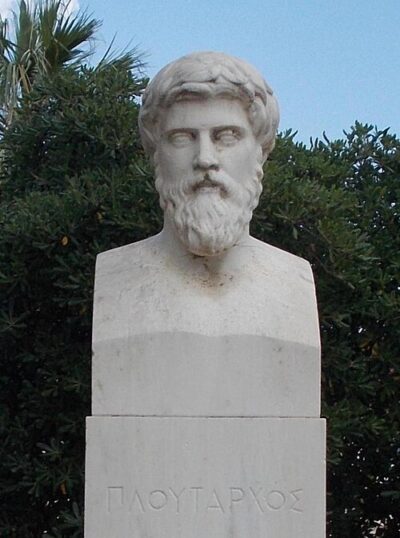 PlutarchGreek philosopher and historian (c. AD 46 – after AD 119)
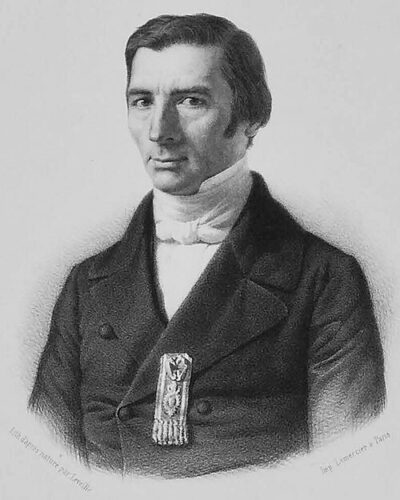 Frédéric BastiatFrench classical liberal theorist, political economist, and member of the French assembly (1801-1850)
 Simone VeilFrench politician (1927–2017)
- CCarlo BiottiItalian judge
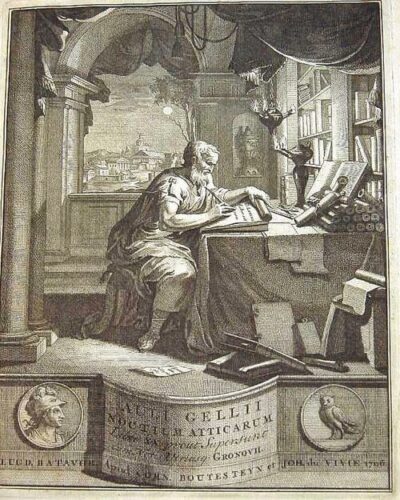 Aulus Gellius2nd century Roman author and grammarian
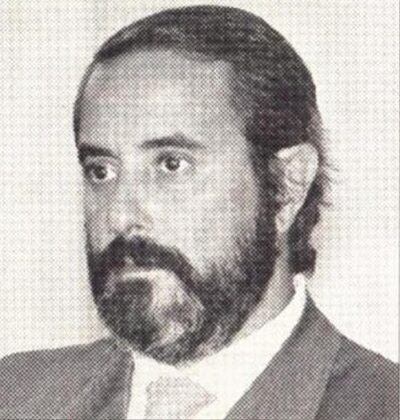 Giovanni FalconeItalian magistrate murdered by the Mafia (1939-1992)
- AAdly MansourEgyptian judge and statesman; former interim President of Egypt
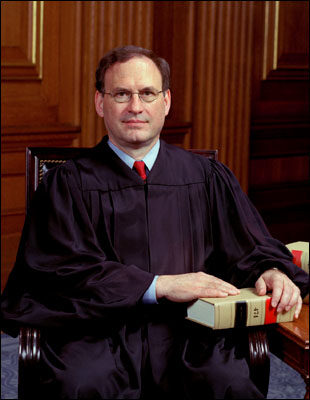 Samuel AlitoAssociate Justice of the Supreme Court of the United States since 2006
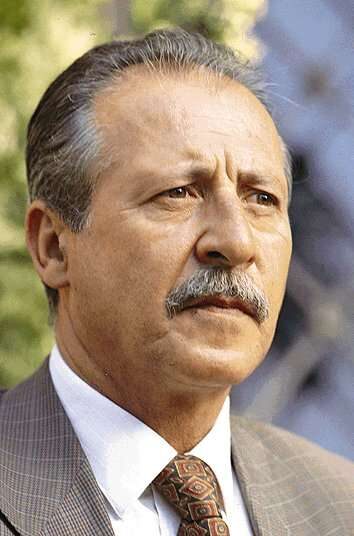 Paolo BorsellinoItalian magistrate killed by the Mafia (1940-1992)
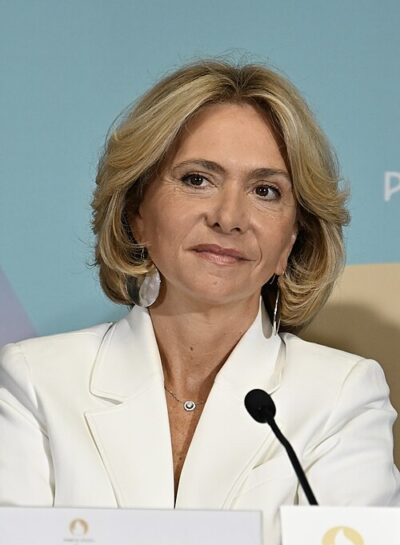 Valérie Pécresse (2015)French politician (born 1967)
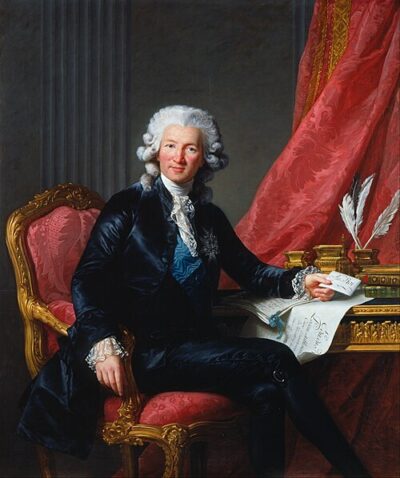 Charles Alexandre de CalonneFrench statesman and art collector (1734-1802); his collection was sold in Paris, 21-30 April 1788
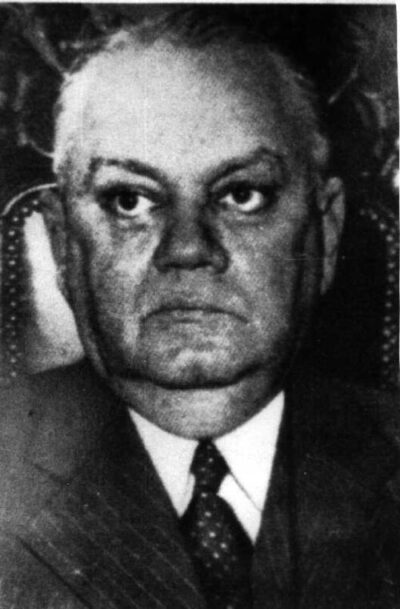 José LinharesPresident of Brazil (1945-1946)
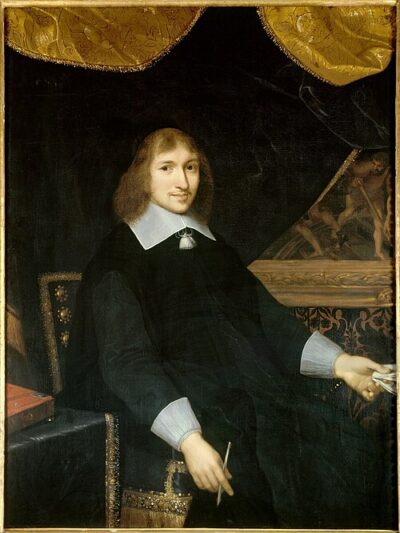 Nicolas FouquetFrench politician (1615-1680)
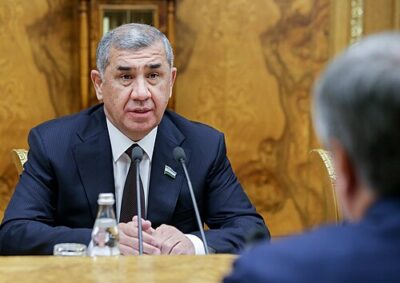 Nigmatilla YuldashevUzbek lawyer and politician
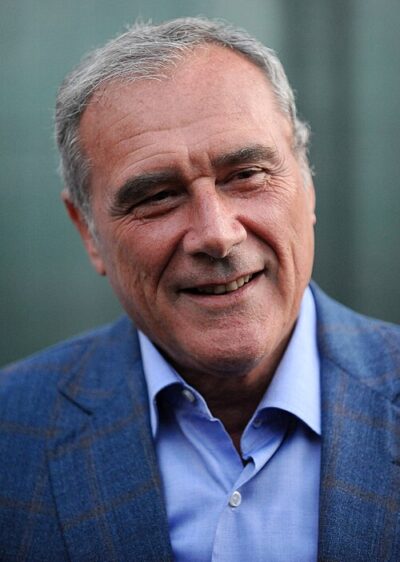 Pietro GrassoItalian magistrate and politician
 Louise Lake-TackGovernor-General of Antigua and Barbuda
 Maryanne Trump BarryAmerican judge (1937–2023)
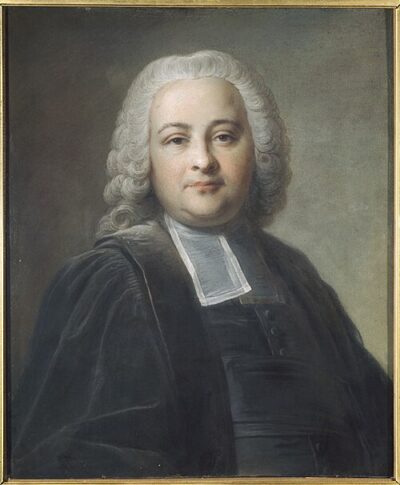 Guillaume-Chrétien de Lamoignon de MalesherbesFrench statesman (1721-1794)
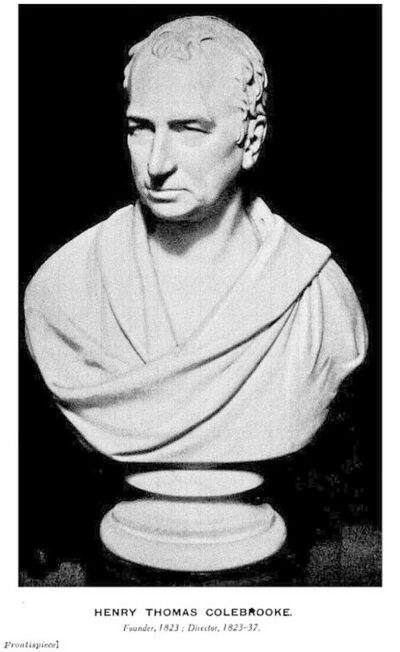 Henry Thomas ColebrookeEnglish linguist (1765-1837)
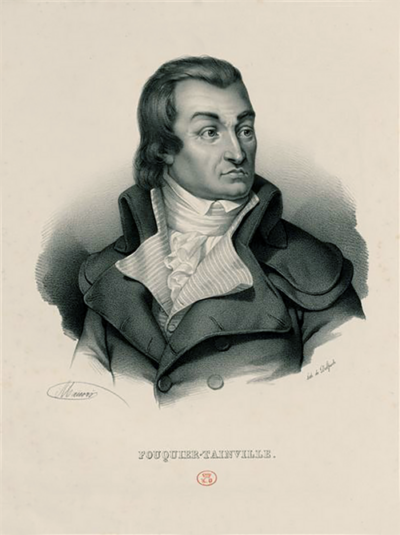 Antoine Quentin Fouquier-TinvilleFrench lawyer during the French Revolution and Reign of Terror (1746-1795)
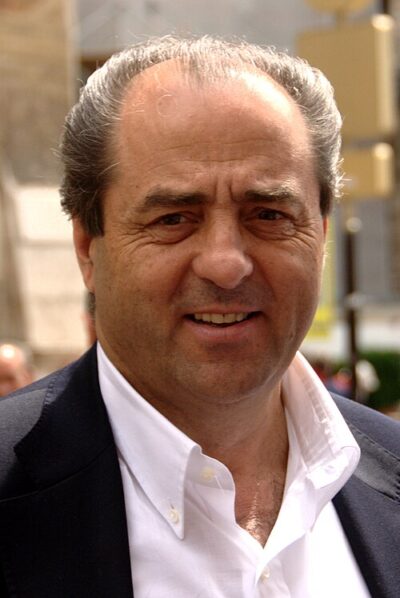 Antonio Di PietroItalian politician, magistrate and lawyer
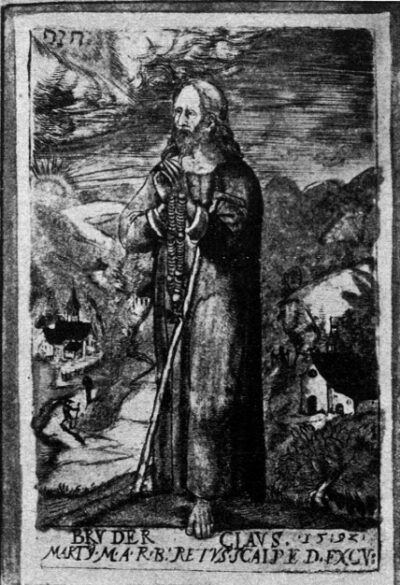 Nicholas of Flüehermit, ascetic, patron saint of Switzerland (1417–1487)
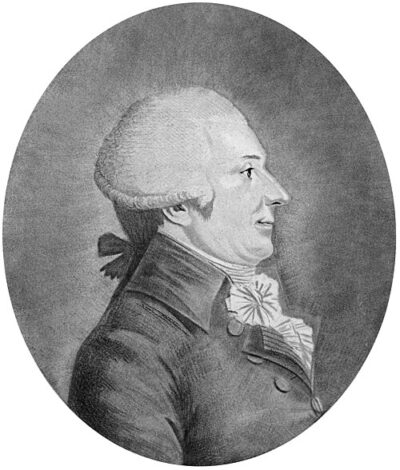 Louis-Bernard Guyton de MorveauFrench chemist and politician (1737-1816)
and 16 more

