Mahanagar
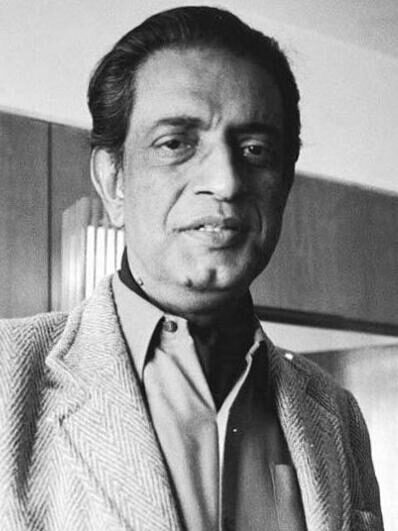
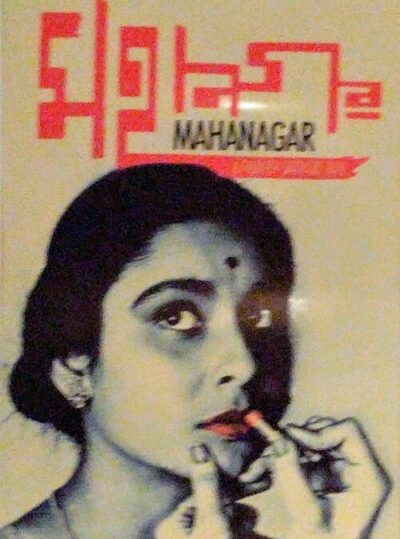
Mahanagar is a 1963 film by Satyajit Ray. It stars Jaya Bachchan, Anil Chatterjee and Madhabi Mukherjee. It won the Silver Bear for Best Director.
- Released
- September 27, 1963
- Directed by
- Satyajit Ray
- Genre
- drama film
- Country of origin
- India
All 14 facts, and where they come from
Facts
14 facts · 0 confirmed by two sources · 2 cited · 12 from one source
Where this comes from
Papalocal keeps its own record. It started from these sources; what each one said is kept here as it was copied, so a change on their side never changes this page by itself. Tap one to read its version.
What Wikidata says · copied November 17, 2026 · revision 2565706852
- Described as
- 1963 film by Satyajit Ray
- What it is
- film
- Directed by
- Satyajit Ray
- Music by
- Satyajit Ray
- Screenplay by
- Satyajit Ray
- Starring
- Jaya Bachchan; Anil Chatterjee; Madhabi Mukherjee; Haradhan Bandopadhyay
- Genre
- drama film
- Released
- September 27, 1963 · 2 references
- Original language
- Bangla · 1 reference
- Country of origin
- India
- Awards
- Silver Bear for Best Director (1964)
- Official website
- http://www.satyajitray.org/films/mahanag.htm
- Wikipedias with a page
- 21
Wikidata item Q177438 (wikidata.org/wiki/Q177438), public domain (CC0). Copied 2026-11-17.
What Wikipedia says · copied November 17, 2026 · revision 1372385763
Mahanagar (Bengali: মহানগর, lit. 'The Big City') is a 1963 Indian Bengali-language drama film written and directed by Satyajit Ray. Starring Madhabi Mukherjee in the leading role and based on the short story Abataranika by Narendranath Mitra, it tells the story of a housewife who disconcerts her traditionalist family by getting the job of a saleswoman. The film marked the first screen appearance of Jaya Bhaduri, one of Hindi cinema's leading actresses.
Shot in the first half of 1963 in Calcutta, Mahanagar was the first film directed by Ray set entirely in his native Calcutta, reflecting contemporary realities of the urban middle-class, where women going to work is no longer merely driven by ideas of emancipation, but has become an economic reality. The film examines the effects of the confident working woman on patriarchial attitudes and social dynamics. According to veteran film critic Philip French, the film stands alongside The Apu Trilogy as some of Ray's greatest work.
From the Wikipedia article “Mahanagar” (en.wikipedia.org/wiki/Mahanagar), by its contributors, under CC BY-SA 4.0 (creativecommons.org/licenses/by-sa/4.0/). Copied 2026-11-17; not changed.
Confirmed Two sources agree. Cited One source, and it names where it got it. One source One source, without a reference of its own. Sources disagree The sources disagree. We show the best-supported value and keep theirs below.
Picture: Ramesh Lalwani, via Wikimedia Commons · CC BY 2.0