
Massry Prize
Massry Prize is a biomedical award. It was created in 1996.
- Country
- United States
- Created
- 1996
All 5 facts, and where they come from
Facts
5 facts · 0 confirmed by two sources · 0 cited · 5 from one source
Where this comes from
Papalocal keeps its own record. It started from these sources; what each one said is kept here as it was copied, so a change on their side never changes this page by itself. Tap one to read its version.
What Wikidata says · copied November 16, 2026 · revision 2495889128
- Described as
- biomedical award
- What it is
- biomedical award
- Created
- 1996
- Country
- United States
- Named after
- Shaul G. Massry
- Official website
- https://keck.usc.edu/massry-prize
- Wikipedias with a page
- 10
Wikidata item Q1907790 (wikidata.org/wiki/Q1907790), public domain (CC0). Copied 2026-11-16.
What Wikipedia says · copied November 16, 2026 · revision 1334537616
The Massry Prize was established in 1996, and is administered by the Meira and Shaul G. Massry Foundation. The Prize, of $40,000 and the Massry Lectureship, is bestowed upon scientists who have made substantial recent contributions in the biomedical sciences. Shaul G. Massry, M.D., who established the Massry Foundation, is Professor Emeritus of Medicine and Physiology and Biophysics at the Keck School of Medicine, University of Southern California. He served as Chief of its Division of Nephrology from 1974 to 2000. In 2009 the KECK School of Medicine was asked to administer the Prize, and has done so since that time. Out of 25 prizes bestowed until 2021, fourteen were awarded to future Nobel Prize winners. No Massry Prize was awarded in 2020, 2022 and 2023.
Awardees are nominated by a scientific committee composed of faculty and researchers from Keck School of Medicine of USC, David Geffen School of Medicine at UCLA, and Cedars-Sinai Medical Center.
From the Wikipedia article “Massry Prize” (en.wikipedia.org/wiki/Massry_Prize), by its contributors, under CC BY-SA 4.0 (creativecommons.org/licenses/by-sa/4.0/). Copied 2026-11-16; not changed.
Confirmed Two sources agree. Cited One source, and it names where it got it. One source One source, without a reference of its own. Sources disagree The sources disagree. We show the best-supported value and keep theirs below.
People connected 25
Won it 25
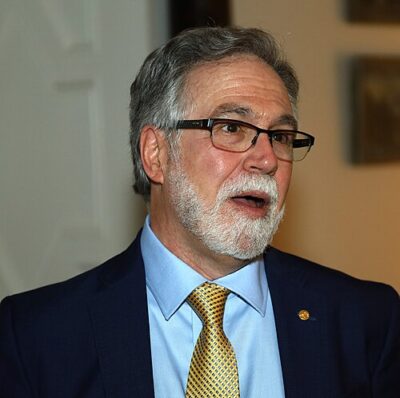 Gregg L. Semenza (2018)American physician and university teacher, Nobel laureate in Medicine, author of many retracted papers
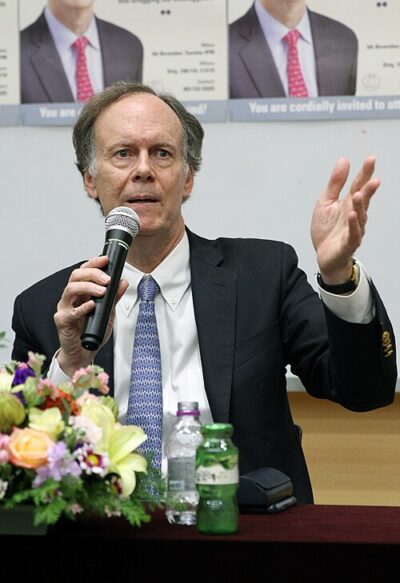 William G. Kaelin (2018)American Nobel Laureate, Professor of Medicine at Harvard University
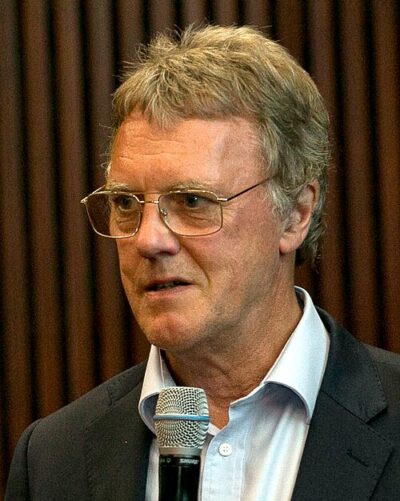 Peter J. Ratcliffe (2018)British biologist & Nobel laureate in medicine
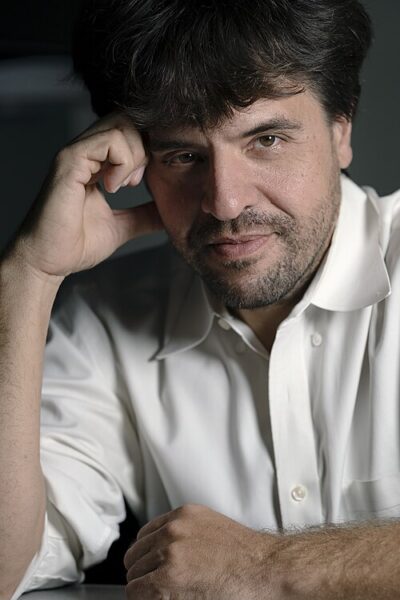 Karl Deisseroth (2016)American optogeneticist
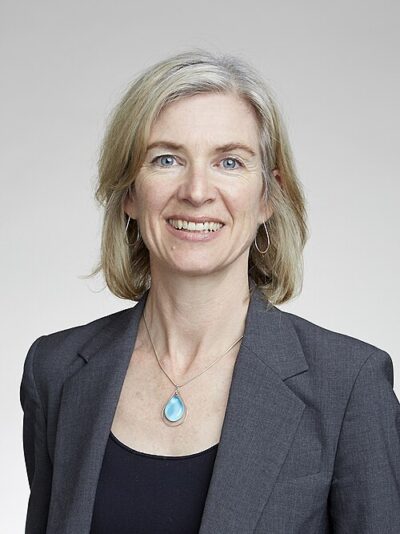 Jennifer Doudna (2015)American biochemist
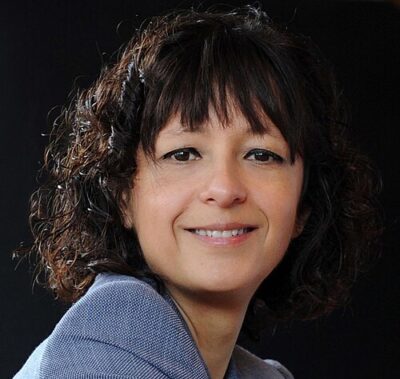 Emmanuelle Charpentier (2015)French microbiologist and biochemist (born 1968)
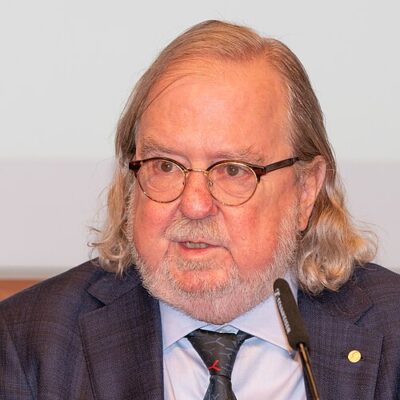 James P. Allison (2014)American immunologist and Nobel laureate (born 1948)
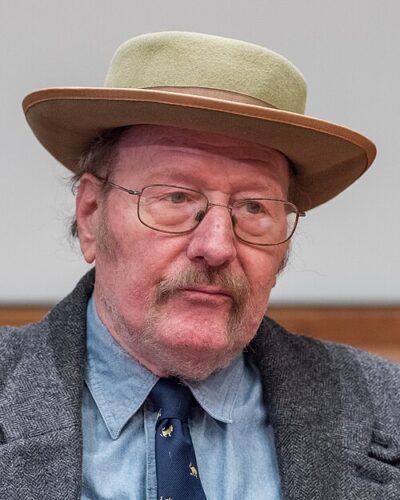 Jeffrey C. Hall (2012)American geneticist and chronobiologist
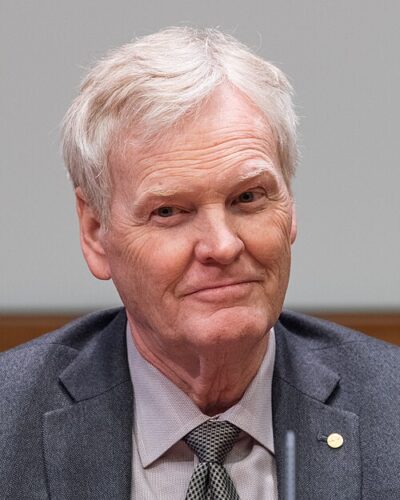 Michael W. Young (2012)American geneticist, chronobiologist
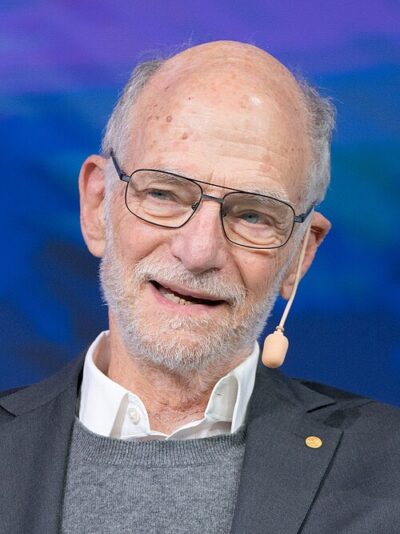 Michael Rosbash (2012)American geneticist and chronobiologist
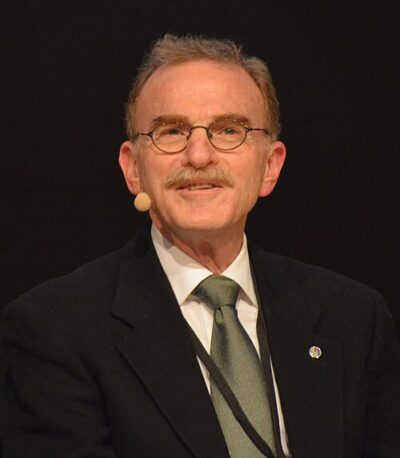 Randy Schekman (2010)Nobel prize winning American cell biologist
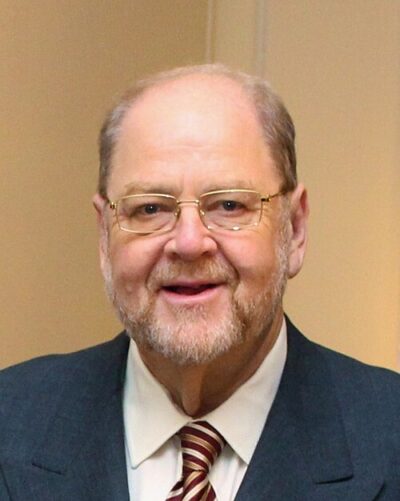 James Rothman (2010)American biologist and Nobel laureate
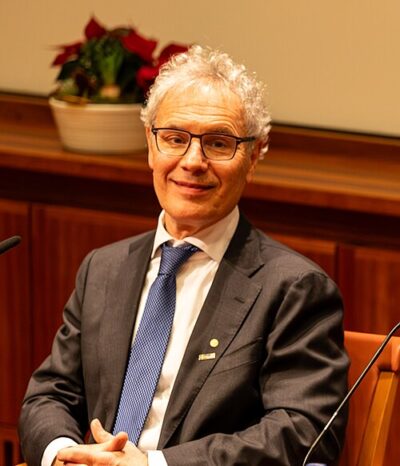 Victor Ambros (2009)American developmental biologist
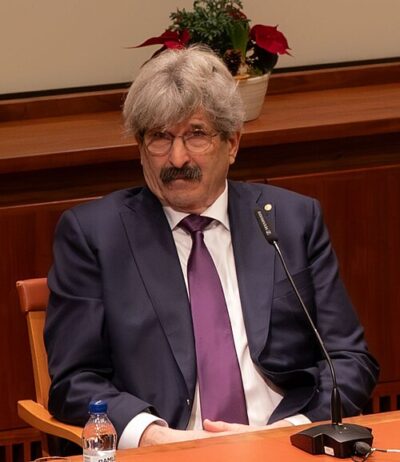 Gary Ruvkun (2009)American geneticist
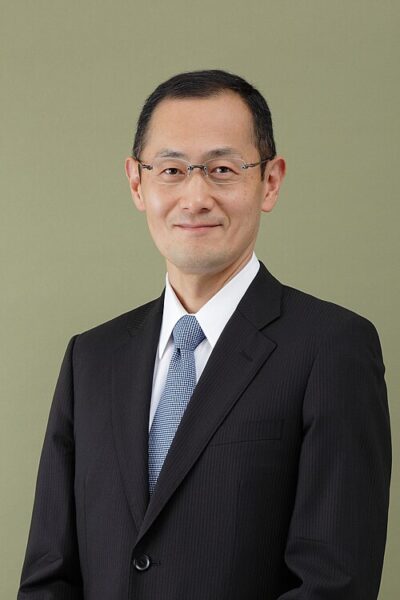 Shinya Yamanaka (2008)Japanese doctor and medical scientist (born 1962)
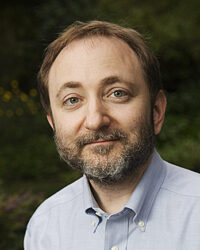 Andrew Fire (2005)American biologist
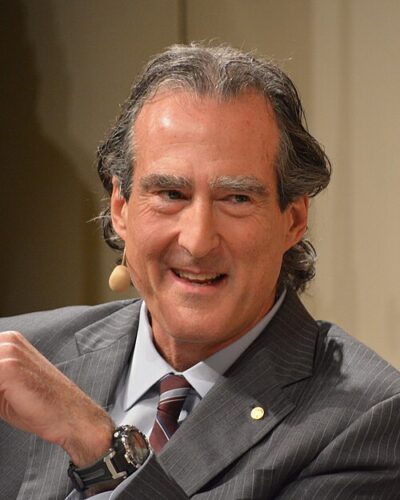 Craig Mello (2005)American biologist
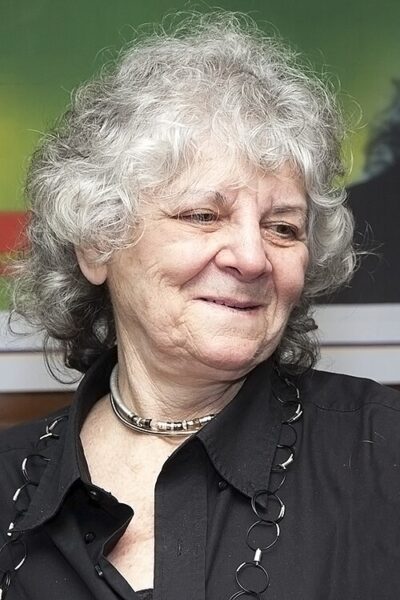 Ada Yonath (2004)Israeli structural biologist and Nobel laureate (1939–2026)
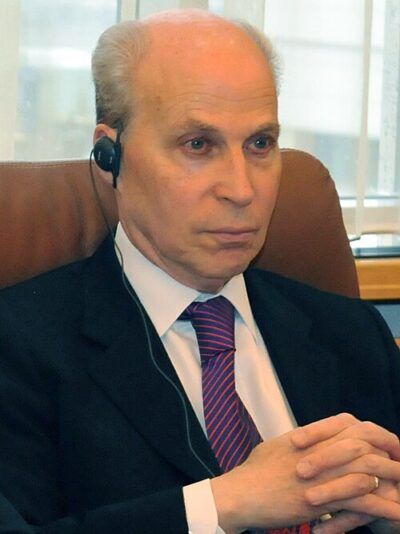 Roger D. Kornberg (2003)American biochemist
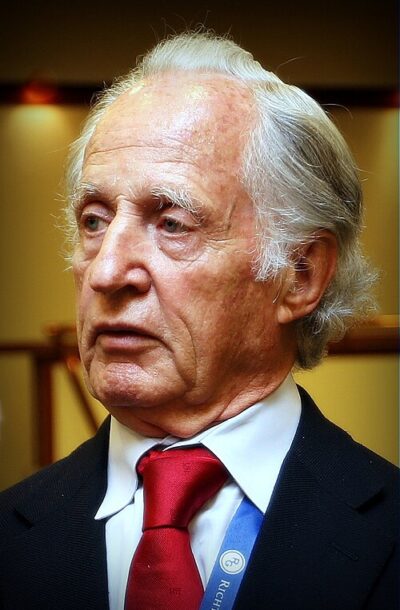 Mario Capecchi (2002)molecular geneticist and Nobel laureate
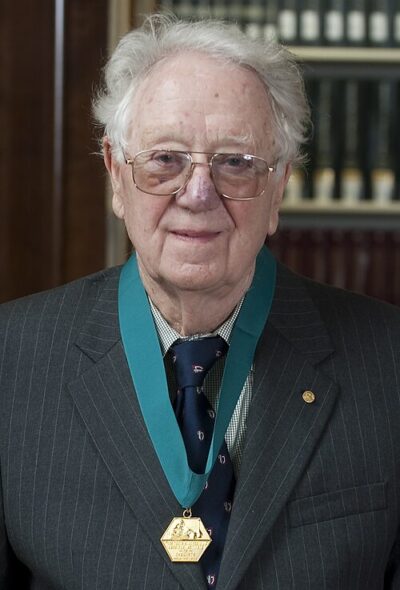 Oliver Smithies (2002)Biochemistry, genetics, Nobel Prize in Physiology or Medicine 2007
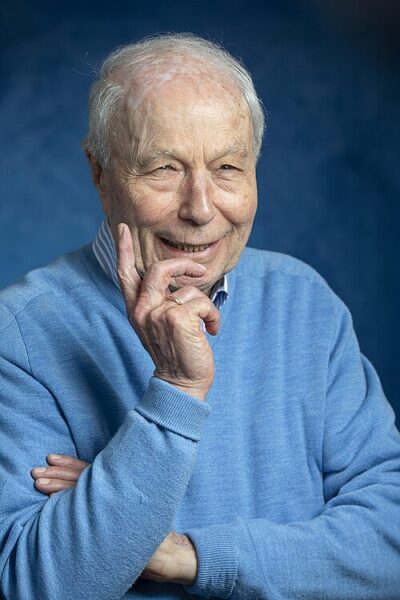 Avram Hershko (2001)Israeli biochemist
- LLee Hartwell (2000)American biologist
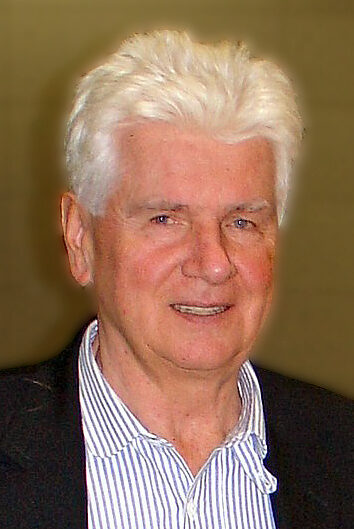 Günter Blobel (1999)German American biologist (1999 Nobel Prize)
and 1 more
