
Mayor of the Palace
Mayor of the Palace is a Merovingian-dynasty term for the manager of the King's household. It is an office of Francia.
- Office of
- Francia
- Created
- 6th century
All 3 facts, and where they come from
Facts
3 facts · 0 confirmed by two sources · 0 cited · 3 from one source
Where this comes from
Papalocal keeps its own record. It started from these sources; what each one said is kept here as it was copied, so a change on their side never changes this page by itself. Tap one to read its version.
What Wikidata says · copied November 16, 2026 · revision 2568922056
- Described as
- Merovingian-dynasty term for the manager of the King's household
- What it is
- position
- Created
- 6th century
- Office of
- Francia
- Wikipedias with a page
- 49
Wikidata item Q594819 (wikidata.org/wiki/Q594819), public domain (CC0). Copied 2026-11-16.
What Wikipedia says · copied November 16, 2026 · revision 1381025583
Under the Merovingian dynasty, the mayor of the palace or majordomo,
(Latin: maior palatii or maior domus) was the manager of the household of the Frankish king. He was the head of the Merovingian administrative ladder and orchestrated the operation of the entire court. He was appointed by the king from among the magnates, the most powerful families. Austrasia, Neustria and Burgundy had their own mayor of the palace. After Chlothar II, who ruled over the entire Frankish Kingdom, had ordered the execution of Warnachar, the mayor of Burgundy, the magnates of Burgundy declared in 626 not to want their own mayor anymore. This declaration marks the effective end of the Burgundian court and the beginning of the Neustrian-Burgundian political alliance against Austrasian influence. The Austrasian magnates revolted and the Battle of Tertry of 687 became the Austrasian victory with Pepin of Herstal as their leader and the new mayor of the palace.
During the second half of the seventh century, the office evolved into the "power behind the throne". At that time the mayor of the palace held and wielded the real and effective power to make decisions affecting the kingdom, while the kings were increasingly reduced to performing merely ceremonial functions, which made them little more than figureheads (rois fainéants, 'do-nothing kings').
In 687, after victory over the western kingdom of Neustria, the Austrasian mayor, Pippin of Herstal, took the title Duke of the Franks to signify his augmented rule. His son and successor, Charles Martel, ruled without elevating a new king during the last four years of his reign (737–741). His sons Carloman and Pepin the Short elevated another Merovingian king, Childeric III, but he was eventually deposed in 751 by Pepin, who was crowned king in his place.
From the Wikipedia article “Mayor of the palace” (en.wikipedia.org/wiki/Mayor_of_the_palace), by its contributors, under CC BY-SA 4.0 (creativecommons.org/licenses/by-sa/4.0/). Copied 2026-11-16; not changed.
Confirmed Two sources agree. Cited One source, and it names where it got it. One source One source, without a reference of its own. Sources disagree The sources disagree. We show the best-supported value and keep theirs below.
People connected 6
Held this office
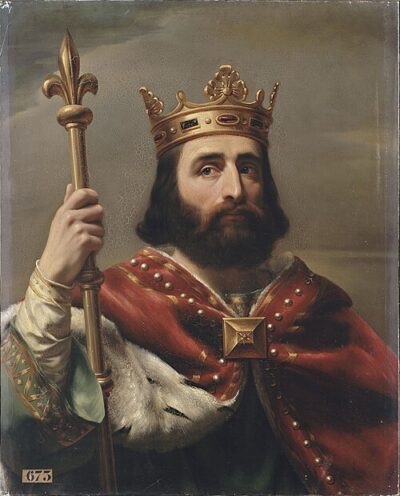 Pepin the Short (741–751)King of the Franks from 751 to 768
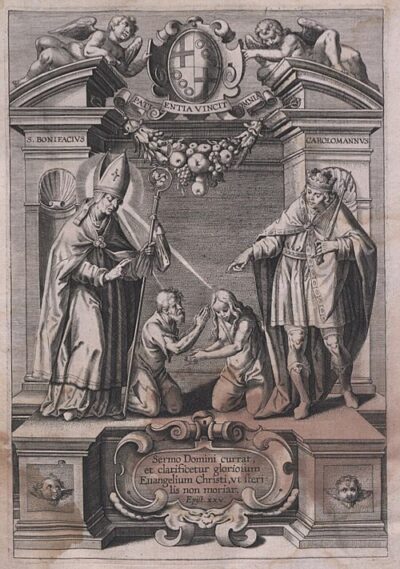 Carloman (741–747)Mayor of the Palace of Austrasia (710-754)
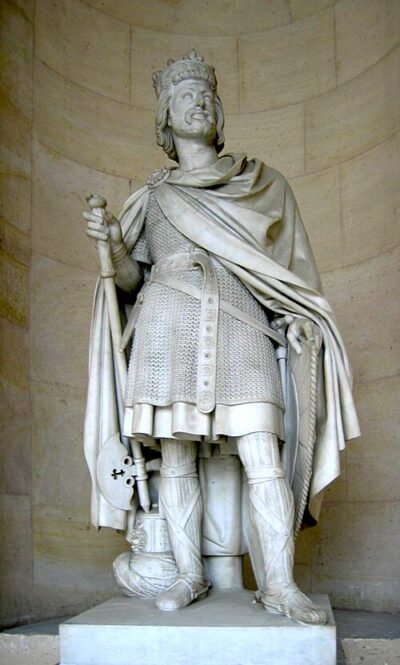 Charles Martel (717–741)Frankish military and political leader (c. 688–741)
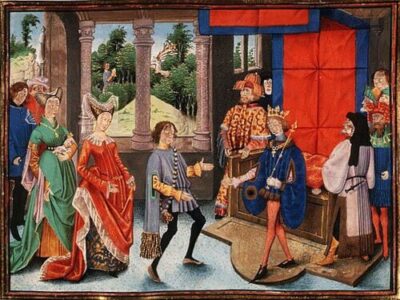 Pepin of Herstal (676–714)Mayor of the Palace (635-714)
- GGrimoald the Elder (643–657)Nobleman (615-657)
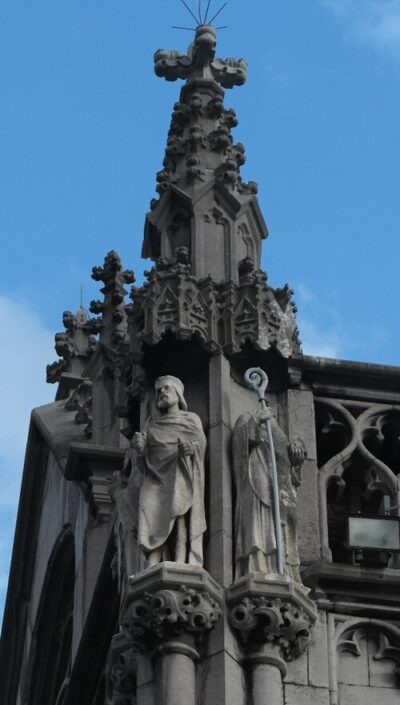 Pepin of Landen (624–640)Mayor of the Palace (585-640)
