Minister of Munitions
Minister of Munitions is a position in the British government, 1915-1921. It is an office of the United Kingdom.
- Office of
- United Kingdom
- Country
- United Kingdom
- Created
- May 25, 1915
All 5 facts, and where they come from
Facts
5 facts · 0 confirmed by two sources · 0 cited · 5 from one source
Where this comes from
Papalocal keeps its own record. It started from these sources; what each one said is kept here as it was copied, so a change on their side never changes this page by itself. Tap one to read its version.
What Wikidata says · copied November 17, 2026 · revision 2569507347
- Described as
- position in the British government, 1915-1921
- What it is
- position
- Created
- May 25, 1915
- Ended
- March 31, 1921
- Country
- United Kingdom
- Office of
- United Kingdom
- Wikipedias with a page
- 7
Wikidata item Q1446566 (wikidata.org/wiki/Q1446566), public domain (CC0). Copied 2026-11-17.
What Wikipedia says · copied November 17, 2026 · revision 1353696540
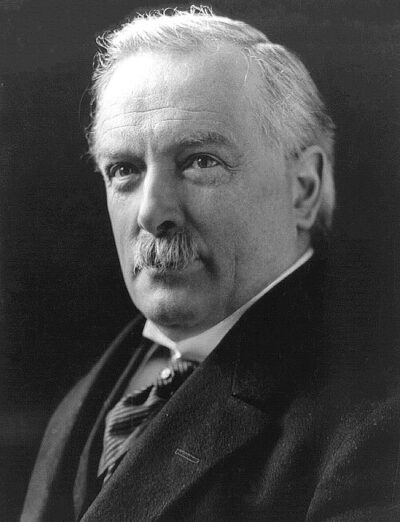
The Minister of Munitions was a British government position created during the First World War to oversee and co-ordinate the production and distribution of munitions for the war effort. The position was created in response to the Shell Crisis of 1915 when there was much newspaper criticism of the shortage of artillery shells and fear of sabotage. The Ministry was created by the Munitions of War Act 1915 passed on 2 July 1915 to safeguard the supply of artillery munitions. Under the very vigorous leadership of Liberal party politician David Lloyd George, the Ministry in its first year set up a system that dealt with labour disputes and fully mobilized Britain's capacity for a massive increase in the production of munitions.
The government policy, according to historian J. A. R. Marriott, was that:No private interest was to be permitted to obstruct the service, or imperil the safety, of the State. Trade Union regulations must be suspended; employers' profits must be limited, skilled men must fight, if not in the trenches, in the factories; man-power must be economized by the dilution of labour and the employment of women; private factories must pass under the control of the State, and new national factories be set up. Results justified the new policy: the output was prodigious; the goods were at last delivered.
From the Wikipedia article “Minister of Munitions” (en.wikipedia.org/wiki/Minister_of_Munitions), by its contributors, under CC BY-SA 4.0 (creativecommons.org/licenses/by-sa/4.0/). Copied 2026-11-17; not changed.
Confirmed Two sources agree. Cited One source, and it names where it got it. One source One source, without a reference of its own. Sources disagree The sources disagree. We show the best-supported value and keep theirs below.