
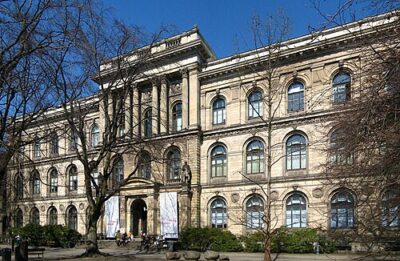
Museum für Naturkunde - Leibniz Institute for Evolution and Biodiversity Science
Museum für Naturkunde - Leibniz Institute for Evolution and Biodiversity Science is a natural history museum in Berlin, Germany. It was founded in 1810. It won the Berliner Bär.
- Founded
- 1810
- Industry
- research
- Country
- Germany
All 11 facts, and where they come from
Facts
11 facts · 0 confirmed by two sources · 1 cited · 10 from one source
Where this comes from
Papalocal keeps its own record. It started from these sources; what each one said is kept here as it was copied, so a change on their side never changes this page by itself. Tap one to read its version.
What Wikidata says · copied November 16, 2026 · revision 2569916417
- Described as
- natural history museum in Berlin, Germany
- Other names
- Naturkundemuseum, Natural History Museum Berlin, Museum für Naturkunde - Leibniz-Institut für Evolutions- und Biodiversitätsforschung, Humboldt-Museum Berlin, Naturkundemuseum Berlin, Museum für Naturkunde, Leibniz Institute for Research on Evolution and Biodiversity at the Humboldt University Berlin, Natural History Museum, Berlin, ZMB, Museum für Naturkunde
- What it is
- natural history museum; university museum (–2008); research institute · 1 reference
- Founded
- 1810
- Located in
- Bezirk Mitte
- Country
- Germany
- Industry
- research
- Part of
- Leibniz Association · 1 reference; mit:forschen! Gemeinsam Wissen schaffen
- Awards
- Berliner Bär (2008) · 1 reference
- Official website
- https://www.museumfuernaturkunde.berlin
- Wikipedias with a page
- 33
Wikidata item Q233098 (wikidata.org/wiki/Q233098), public domain (CC0). Copied 2026-11-16.
What Wikipedia says · copied November 16, 2026 · revision 1378290102
The Museum für Naturkunde Berlin ('Museum of Natural History Berlin') is a natural history museum located in Berlin, Germany. It exhibits a vast range of specimens from various segments of natural history and in such domain it is one of three major museums in Germany alongside Naturmuseum Senckenberg in Frankfurt and Museum Koenig in Bonn.
The museum houses more than 30 million zoological, paleontological, and mineralogical specimens, including more than ten thousand type specimens. It is famous for two exhibits: the largest mounted dinosaur in the world (a Giraffatitan skeleton), and a well-preserved specimen of the earliest known bird, Archaeopteryx. The museum's mineral collections date back to the Prussian Academy of Sciences of 1700. Important historic zoological specimens include those recovered by the German deep-sea Valdiva expedition (1898–99), the German Southpolar Expedition (1901–03), and the German Sunda Expedition (1929–31). Expeditions to fossil beds in Tendaguru in former Deutsch Ostafrika (today Tanzania) unearthed rich paleontological treasures. The collections are so extensive that less than 1 in 5000 specimens is exhibited, and they attract researchers from around the world. Additional exhibits include a mineral collection representing 75% of the minerals in the world, a large meteor collection, the largest piece of amber in the world; exhibits of the now-extinct quagga, huia, and tasmanian tiger, and "Bobby" the gorilla, a Berlin Zoo celebrity from the 1920s and 1930s.
In November 2018 the German government and the city of Berlin decided to expand and improve the building for more than €600 million.
From the Wikipedia article “Museum für Naturkunde Berlin” (en.wikipedia.org/wiki/Museum_für_Naturkunde_Berlin), by its contributors, under CC BY-SA 4.0 (creativecommons.org/licenses/by-sa/4.0/). Copied 2026-11-16; not changed.
Confirmed Two sources agree. Cited One source, and it names where it got it. One source One source, without a reference of its own. Sources disagree The sources disagree. We show the best-supported value and keep theirs below.
Picture: Jörg Zägel, via Wikimedia Commons · CC BY-SA 3.0
People connected 13
Worked here
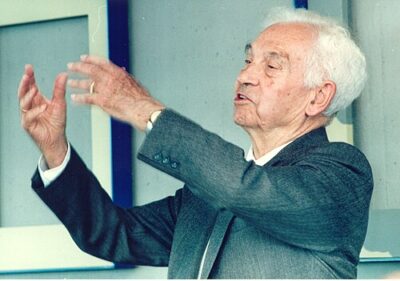 Ernst Mayr (1926–1932)German-American evolutionary biologist (1904-2005)
- JJohann Karl Wilhelm Illiger (1810–1813)German entomologist and zoologist (1775-1813)
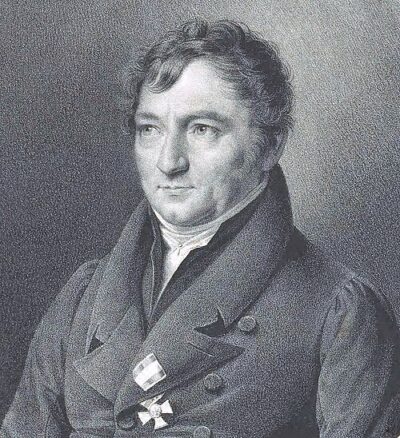 Hinrich Lichtenstein (1813–1857)German physician, explorer, botanist and zoologist (1780-1857)
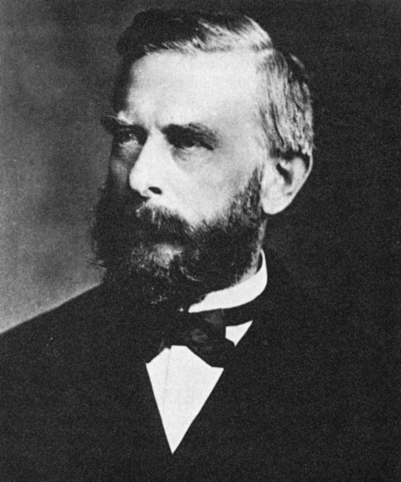 Wilhelm Peters (1858–1883)German naturalist, zoologist and explorer (1815–1883)
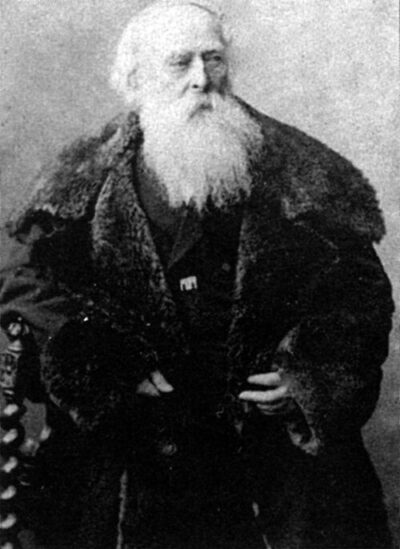 Jean Cabanis (1841–1888)German ornithologist (1816-1906)
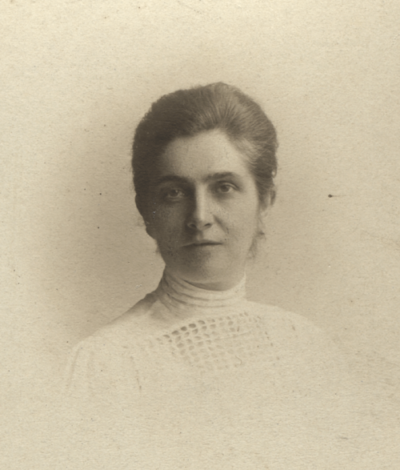 Emilie Snethlage (1904–1905)German-Brazilian naturalist and ornithologist (1868-1929)
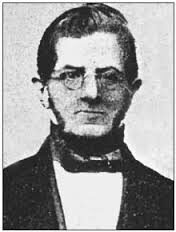 Constantin Wilhelm Lambert GlogerGerman zoologist and ornithologist (1803-1863)
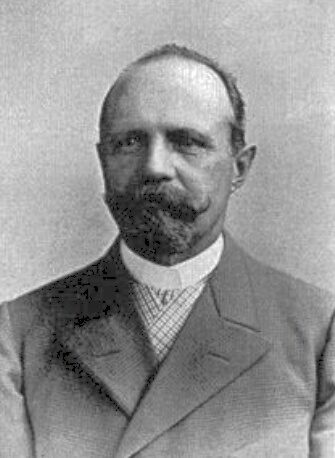 Anton Reichenow (1874–)German ornithologist (1847-1941)
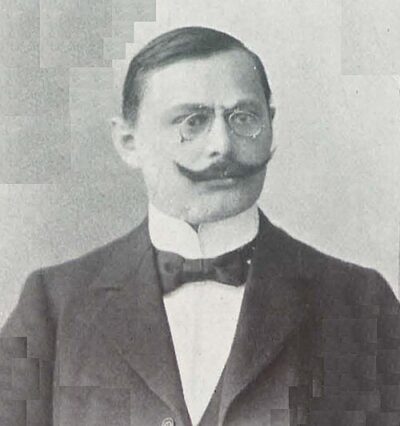 Paul Matschie (1883–1926)German zoologist (1861–1926)
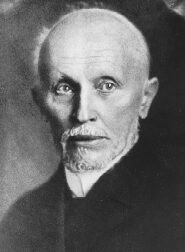 Johannes Thiele (1899–1926)German zoologist and malacologist (1860–1935)
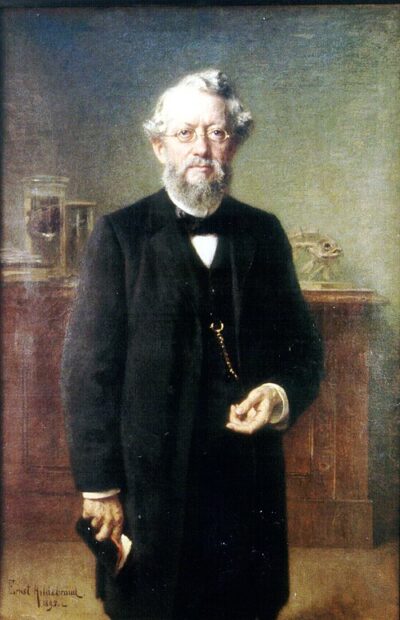 Karl Möbius (1887–1905)German zoologist and ecologist (1825-1908)
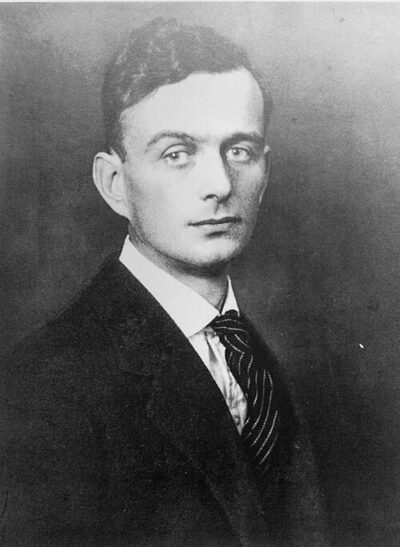 Erwin Stresemann (1921–1961)German ornithologist and naturalist (1889-1972)
 Ernst Ahl (1921–1941)German zoologist, ichthyologist and herpetologist (1898–1945)
