
Najaf Seminary
Najaf Seminary is an Islamic seminary in Najaf, Iraq.
- Located in
- Najaf
- Country
- Iraq
- What it is
- hawza
All 3 facts, and where they come from
Facts
3 facts · 0 confirmed by two sources · 0 cited · 3 from one source
Where this comes from
Papalocal keeps its own record. It started from these sources; what each one said is kept here as it was copied, so a change on their side never changes this page by itself. Tap one to read its version.
What Wikidata says · copied November 16, 2026 · revision 2551195951
- Described as
- Islamic seminary in Najaf, Iraq
- What it is
- hawza
- Located in
- Najaf
- Country
- Iraq
- Wikipedias with a page
- 10
Wikidata item Q4454725 (wikidata.org/wiki/Q4454725), public domain (CC0). Copied 2026-11-16.
What Wikipedia says · copied November 16, 2026 · revision 1384991303
The Najaf Seminary (Arabic: حوزة النجف), also known as the al-Hawza al-Ilmiyya (الحوزة العلمية), is the oldest and one of the most important Shia seminaries (hawza) in the world. It is located near the Imam Ali Shrine in the city of Najaf in Iraq, and also operates a campus in Karbala.
Grand Ayatollah Sayed Ali al-Sistani currently serves as head of the Hawza Al-Ilmiyya in Najaf, which includes one other Ayatollah - Bashir al-Najafi.
The number of students studying there has waxed and waned in modern times, from 15,000 to 20,000 in the mid-20th century, down to 3000 during the repressive reign of Saddam Hussein, to around 13,000 as of 2014. Courses include Islamic jurisprudence (fiqh), theology, Islamic philosophy (falsafa), logic (mantiq) and Qurʾanic interpretation (tafsir); completing advanced seminary study in Najaf usually requires at least ten years, and around 200 fully fledged clerics graduate each year.
As of 2014 the curriculum has been updated to include many modern subjects as well as interfaith and inter-sect initiatives.
From the Wikipedia article “Hawza of Najaf” (en.wikipedia.org/wiki/Hawza_of_Najaf), by its contributors, under CC BY-SA 4.0 (creativecommons.org/licenses/by-sa/4.0/). Copied 2026-11-16; not changed.
Confirmed Two sources agree. Cited One source, and it names where it got it. One source One source, without a reference of its own. Sources disagree The sources disagree. We show the best-supported value and keep theirs below.
People connected 4
Studied here
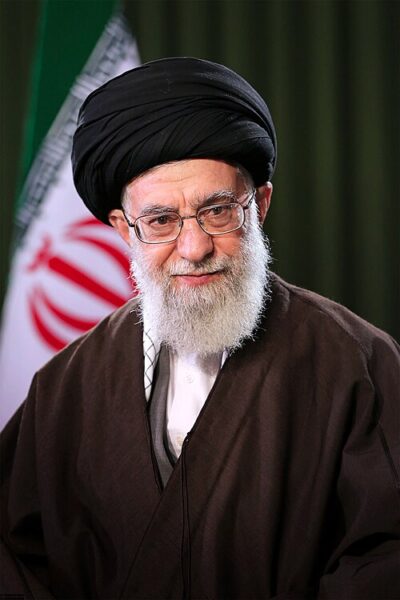 Ali KhameneiSupreme Leader of Iran from 1989 to 2026
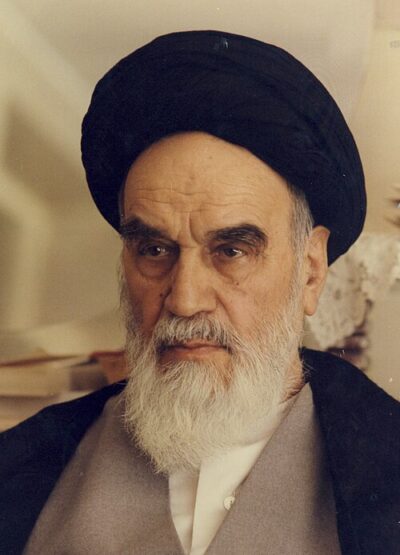 Ruhollah KhomeiniSupreme Leader of Iran from 1979 to 1989
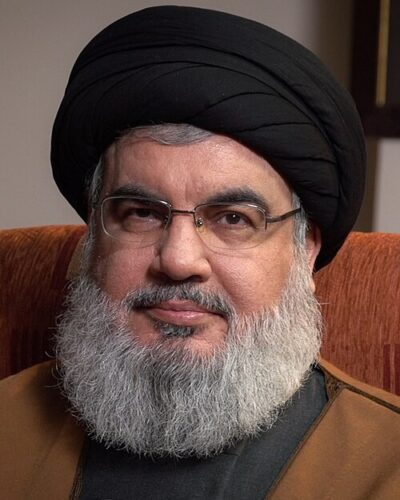 Hasan Nasrallah (1976–1978)Leader of Hezbollah (1960-2024)
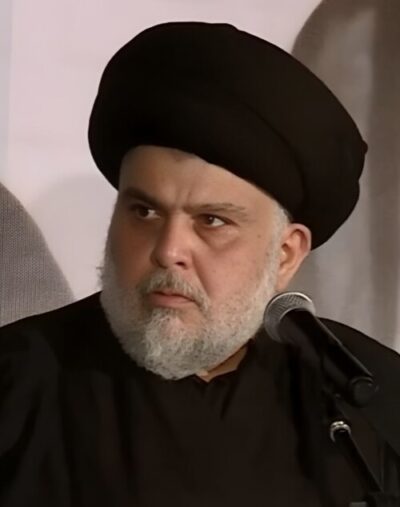 Muqtada al-SadrIraqi Shia scholar, politician and militia leader (born 1974)
