
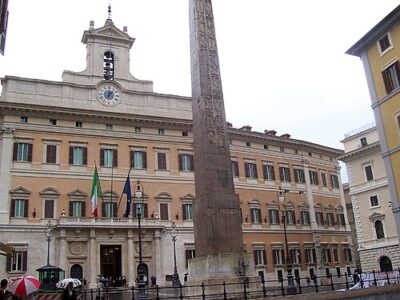
National Council of the Kingdom of Italy
The National Council of the Kingdom of Italy is a temporary legislative body of the Kingdom of Italy (1945-1946). Its headquarters are in Palazzo Montecitorio.
- Founded
- April 5, 1945
- Headquarters
- Palazzo Montecitorio
- Country
- Kingdom of Italy
All 9 facts, and where they come from
Facts
9 facts · 0 confirmed by two sources · 0 cited · 9 from one source
Where this comes from
Papalocal keeps its own record. It started from these sources; what each one said is kept here as it was copied, so a change on their side never changes this page by itself. Tap one to read its version.
What Wikidata says · copied November 16, 2026 · revision 2488623611
- Described as
- temporary legislative body of the Kingdom of Italy (1945-1946)
- What it is
- legislative assembly; legislative term
- Comes after
- Parliament of the Kingdom of Italy
- Followed by
- Constituent Assembly of Italy
- Founded
- April 5, 1945
- Ended
- June 24, 1946
- Headquarters
- Palazzo Montecitorio · 1 reference
- Country
- Kingdom of Italy
- Chair
- Carlo Sforza · 1 reference
- Wikipedias with a page
- 6
Wikidata item Q2995361 (wikidata.org/wiki/Q2995361), public domain (CC0). Copied 2026-11-16.
What Wikipedia says · copied November 16, 2026 · revision 1341480689
The National Council (Consulta Nazionale) was an unelected provisional legislative assembly set up in the Kingdom of Italy after the end of World War II. It fulfilled the roles of parliament until regular elections could be held. It first sat on 25 September 1945 and was dissolved after the national elections on 2 June 1946, which formed the first Constituent Assembly of Italy.
From the Wikipedia article “National Council (Italy)” (en.wikipedia.org/wiki/National_Council_(Italy)), by its contributors, under CC BY-SA 4.0 (creativecommons.org/licenses/by-sa/4.0/). Copied 2026-11-16; not changed.
Confirmed Two sources agree. Cited One source, and it names where it got it. One source One source, without a reference of its own. Sources disagree The sources disagree. We show the best-supported value and keep theirs below.
Picture: MarkusMark, via Wikimedia Commons · Public domain
People connected 15
Members
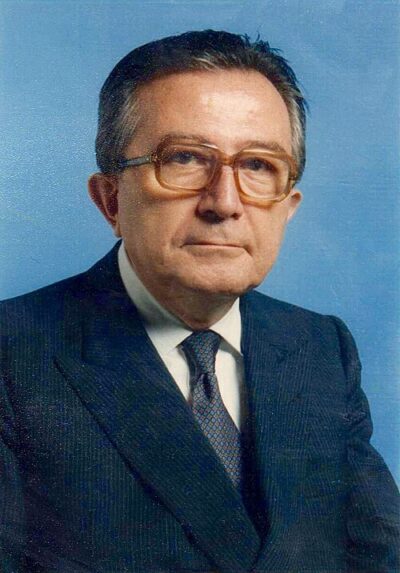 Giulio AndreottiItalian politician and statesman (1919–2013)
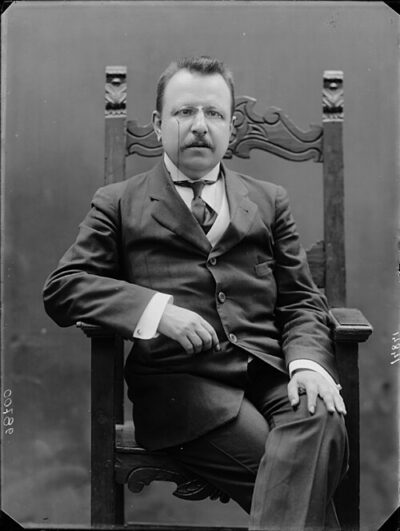 Benedetto CroceItalian philosopher (1866-1952)
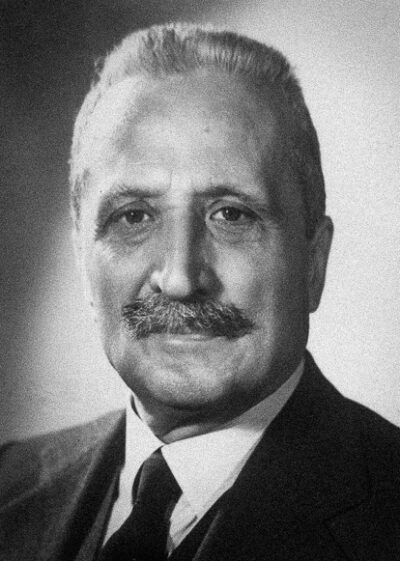 Enrico de NicolaPresident of Italy from 1946 to 1948
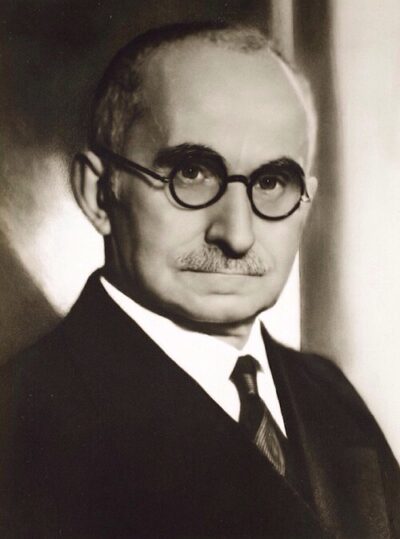 Luigi Einaudi(1874-1961) President of Italy from 1948 to 1955
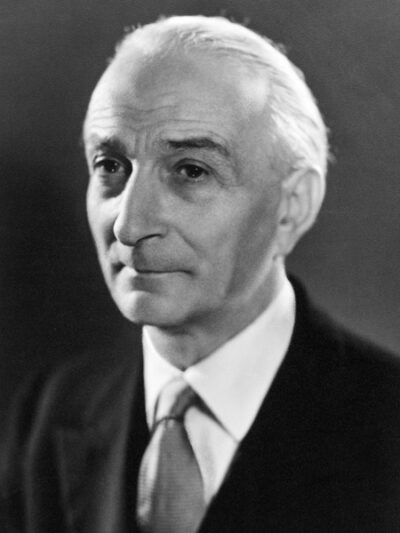 Antonio Segni4th President of Italy (1891-1972)
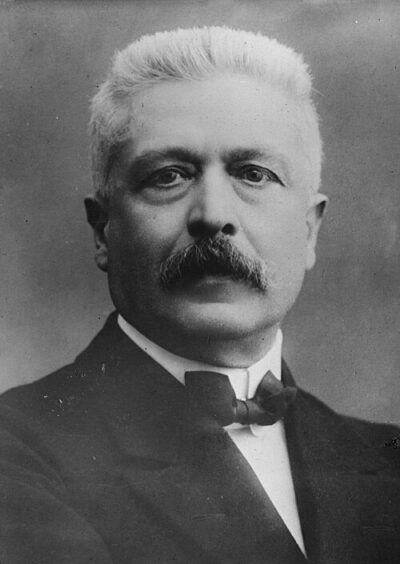 Vittorio Emanuele OrlandoItalian diplomat (1860–1952)
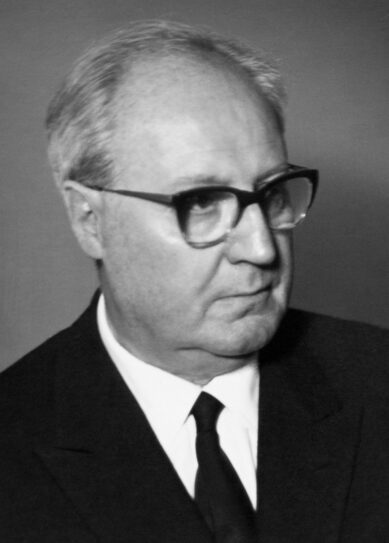 Giuseppe Saragat5th President of Italy (1898-1988)
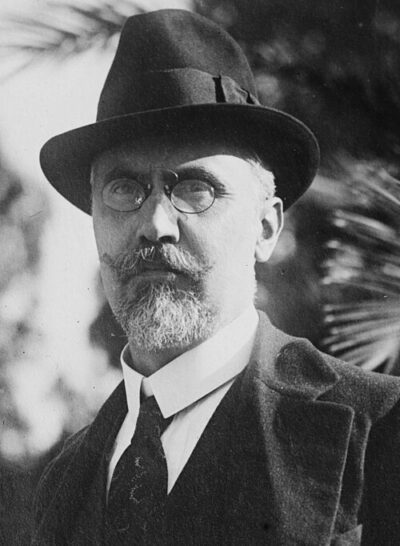 Ivanoe BonomiItalian prime minister in 1921–22 and 1944–45
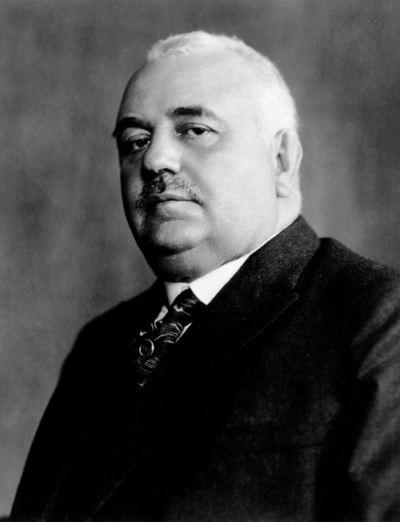 Francesco Saverio NittiItalian economist and political figure (1868–1953)
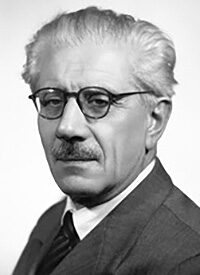 Ferruccio ParriItalian partisan and politician (1890–1981)
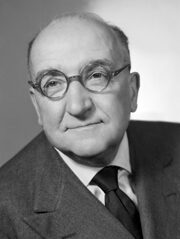 Adone ZoliItalian politician (1887-1960)
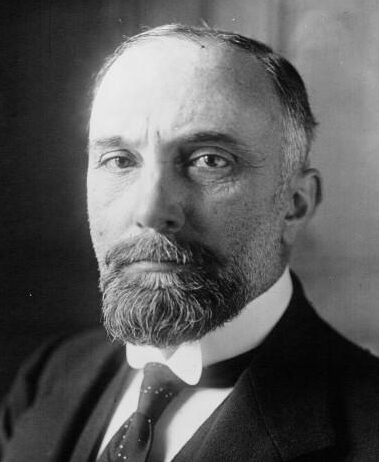 Carlo SforzaItalian politician (1872-1952)
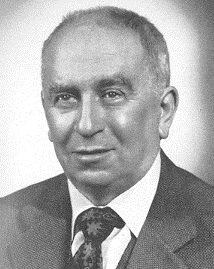 Luigi LongoItalian politician (1900-1980)
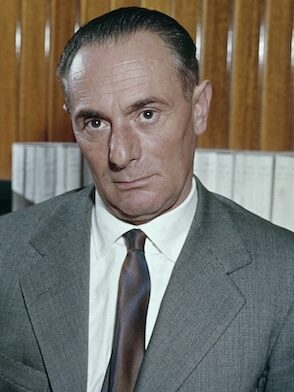 Enrico MatteiItalian entrepreneur (1906-1962)
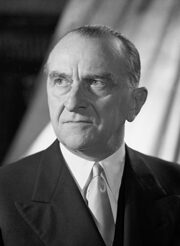 Cesare MerzagoraItalian politician (1898-1991)
