
Organization of Ukrainian Nationalists
Organization of Ukrainian Nationalists is an Ukrainian ultranationalist political organization. It was founded in 1929. It stands for Ukrainian nationalism.
- Country
- Ukraine
- Founded
- 1929
- Ideology
- Ukrainian nationalism
All 7 facts, and where they come from
Facts
7 facts · 0 confirmed by two sources · 1 cited · 6 from one source
Where this comes from
Papalocal keeps its own record. It started from these sources; what each one said is kept here as it was copied, so a change on their side never changes this page by itself. Tap one to read its version.
What Wikidata says · copied November 17, 2026 · revision 2566532142
- Described as
- Ukrainian ultranationalist political organization
- Other names
- OUN
- What it is
- political party; terrorist organization · 1 reference
- Comes after
- League of Ukrainian Nationalists
- Founded
- 1929
- Country
- Ukraine
- Ideology
- Ukrainian nationalism
- Official website
- http://kmoun.info/
- Wikipedias with a page
- 44
Wikidata item Q844787 (wikidata.org/wiki/Q844787), public domain (CC0). Copied 2026-11-17.
What Wikipedia says · copied November 17, 2026 · revision 1383662659
The Organisation of Ukrainian Nationalists (OUN; Ukrainian: Організація українських націоналістів, romanized: Orhanizatsiia ukrainskykh natsionalistiv) was a Ukrainian nationalist organization established on February 2, 1929 in Vienna, uniting the Ukrainian Military Organization with smaller, mainly youth, radical nationalist right-wing groups. The OUN was the largest and one of the most important far-right Ukrainian organizations operating in the interwar period on the territory of the Second Polish Republic. The OUN was mostly active preceding, during, and immediately after the Second World War. The ideology held by the OUN has been characterized by scholars as a Ukrainian form of fascism and/or integral nationalism, itself sometimes characterized as proto-fascist, or more broadly as extreme or radical nationalism influenced by fascist movements. Its ideology was influenced by the writings of Dmytro Dontsov, from 1929 by Italian fascism, and from 1930 by German Nazism. The OUN pursued a strategy of violence, terrorism, and assassinations with the goal of creating an ethnically homogeneous and totalitarian Ukrainian state.
During the Second World War, in 1940, the OUN split into two parts. The older, more moderate members supported Andriy Melnyk's OUN-M, while the younger and more radical members supported Stepan Bandera's OUN-B. On 30 June 1941 OUN-B declared an independent Ukrainian state in Lviv, which had just come under Nazi Germany's control in the early stages of the Axis invasion of the Soviet Union. OUN-B pledged to work closely with Germany, which was described as freeing the Ukrainians from Soviet oppression, and OUN-B members subsequently took part in the Lviv pogroms. In response to the OUN-B declaration of independence, the Nazi authorities suppressed the OUN leadership. Members of the OUN took an active part in the Holocaust in Ukraine and Poland. In October 1942, OUN-B established the Ukrainian Insurgent Army (UPA). In 1943–1944, in an effort to prevent Polish efforts to re-establish prewar borders, UPA units carried out massacres of Poles in Volhynia and Eastern Galicia.
In the course of the war, with the approaching defeat of Nazi Germany, the OUN-B changed its political image, exchanging fascism for democratic slogans. After World War II, the UPA fought Soviet and Polish government forces. In 1947, in Operation Vistula, the Polish government deported 140,000 Ukrainians as part of the population exchange between Poland and Soviet Ukraine. Soviet forces killed 153,000, arrested 134,000, and deported 203,000 UPA members, relatives, and supporters. During the Cold War, Western intelligence agencies, including the CIA, covertly supported the OUN. In the mid-1950s, the OUN-B split into the broadly social-democratic but short-lived OUN-z and the Dontsovite OUN-r under Bandera. After Ukrainian independence, the OUN-r (also referred to as the OUN-B) set up the Congress of Ukrainian Nationalists party while the OUN-M established itself as a non-governmental organization (having retained the name the 'Organization of Ukrainian Nationalists').
From the Wikipedia article “Organisation of Ukrainian Nationalists” (en.wikipedia.org/wiki/Organisation_of_Ukrainian_Nationalists), by its contributors, under CC BY-SA 4.0 (creativecommons.org/licenses/by-sa/4.0/). Copied 2026-11-17; not changed.
Confirmed Two sources agree. Cited One source, and it names where it got it. One source One source, without a reference of its own. Sources disagree The sources disagree. We show the best-supported value and keep theirs below.
Picture: Wikimedia Commons: OUN struggle and activity during the war - London Library - OUN Archive 1941.pdf · See Commons file page
People connected 7
Party members
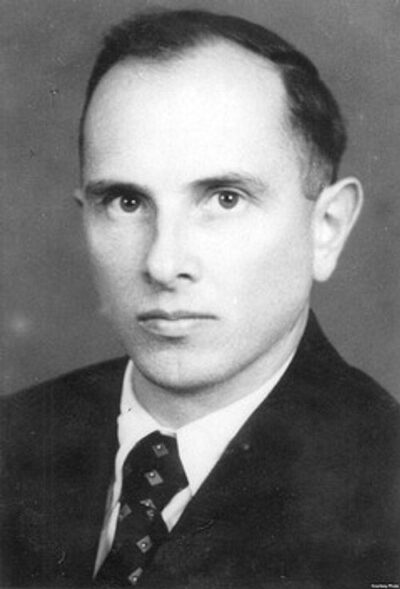 Stepan BanderaUkrainian nationalist leader (1909–1959)
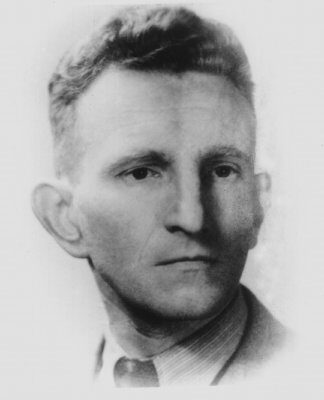 Roman ShukhevychUkrainian nationalist (1907–1950)
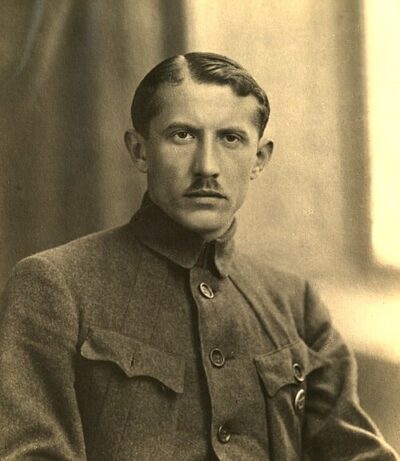 Yevhen Konovaletsmilitary commander of the UNR army and political leader of the Ukrainian nationalist movement (1891-1938)
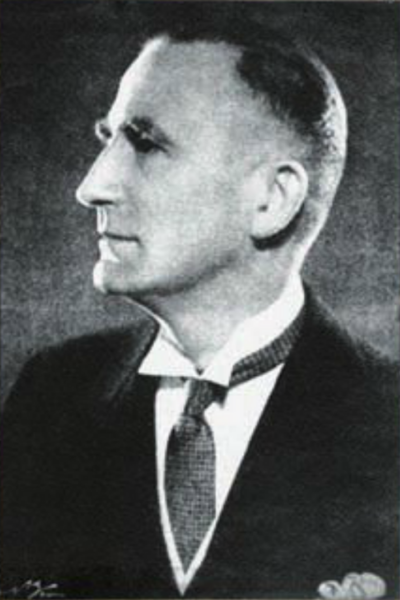 Andriy MelnykUkrainian military officer and politician (1890–1964)
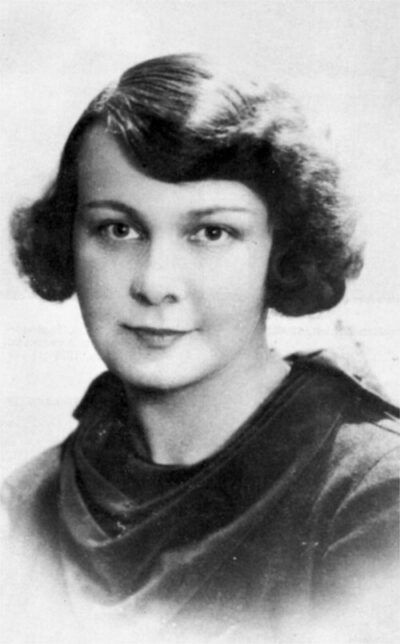 Olena TelihaUkrainian poet (1906–1942)
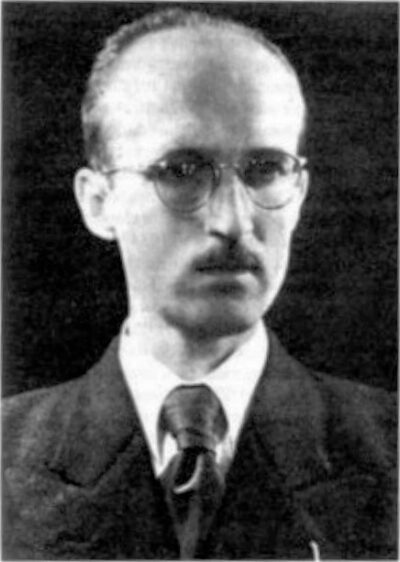 Yaroslav StetskoPrime Minister of Ukraine (1912–1986)
 Ulas SamchukUkrainian writer (1905–1987)
