

Oriel College
Oriel College is a college of the University of Oxford. It was founded in 1324 by Adam de Brome. It has 220 employees (2025).
- Located in
- Oxford
- Country
- United Kingdom
- Founded
- 1324
- What it is
- college of the University of Oxford
All 12 facts, and where they come from
Facts
12 facts · 0 confirmed by two sources · 2 cited · 10 from one source
Where this comes from
Papalocal keeps its own record. It started from these sources; what each one said is kept here as it was copied, so a change on their side never changes this page by itself. Tap one to read its version.
What Wikidata says · copied November 17, 2026 · revision 2550087560
- Described as
- college of the University of Oxford
- Other names
- Oriel College, Oxford
- What it is
- college of the University of Oxford; building complex; charitable organization
- Founded
- 1324
- Founded by
- Adam de Brome
- Headquarters
- Oxford
- Located in
- Oxford
- Country
- United Kingdom · 1 reference
- Employees
- 173 (2019) · 1 reference
- Part of
- University of Oxford
- Named after
- oriel window
- Official website
- http://www.oriel.ox.ac.uk/
- Wikipedias with a page
- 27
Wikidata item Q81170 (wikidata.org/wiki/Q81170), public domain (CC0). Copied 2026-11-17.
What Wikipedia says · copied November 17, 2026 · revision 1376017069
Oriel College () is a constituent college of the University of Oxford in Oxford, England. Located in Oriel Square, the college has the distinction of being the oldest royal foundation in Oxford (a title formerly claimed by University College, whose claim of being founded by King Alfred is no longer promoted). In recognition of this royal connection, the college has also been historically known as King's College and King's Hall. The reigning monarch of the United Kingdom (since 2022, Charles III) is the official visitor of the college.
The original medieval foundation established in 1324 by Adam de Brome, under the patronage of King Edward II, was the House of the Blessed Mary at Oxford, and the college received a royal charter in 1326. In 1329, an additional royal grant of a manor house, La Oriole, eventually gave rise to its common name. The first design allowed for a provost and ten fellows, called "scholars", and the college remained a small body of graduate fellows until the 16th century, when it started to admit undergraduates. During the English Civil War, Oriel played host to high-ranking members of the king's Oxford Parliament.
The main site of the college incorporates four medieval halls: Bedel Hall, St Mary Hall, St Martin Hall, and Tackley's Inn, the last being the oldest standing medieval hall in Oxford. The college has nearly 40 fellows, about 300 undergraduates and some 250 graduates. Oriel was the last of Oxford's men's colleges to admit women, doing so in 1985 after more than six centuries as an all-male institution. Today, however, the student body has almost equal numbers of men and women. Oriel's notable alumni include two Nobel laureates; prominent fellows have included founders of the Oxford Movement. Among Oriel's more notable possessions are a painting by Bernard van Orley and three pieces of medieval silver plate. As of the 2020–21 academic year, the college was ranked twentieth in academic performance out of thirty colleges in the Norrington Table, having topped the table in 2015–16.
From the Wikipedia article “Oriel College, Oxford” (en.wikipedia.org/wiki/Oriel_College,_Oxford), by its contributors, under CC BY-SA 4.0 (creativecommons.org/licenses/by-sa/4.0/). Copied 2026-11-17; not changed.
Confirmed Two sources agree. Cited One source, and it names where it got it. One source One source, without a reference of its own. Sources disagree The sources disagree. We show the best-supported value and keep theirs below.
Picture: Wikimedia Commons: Oriel College First Quad.jpg · See Commons file page
People connected 13
Studied here
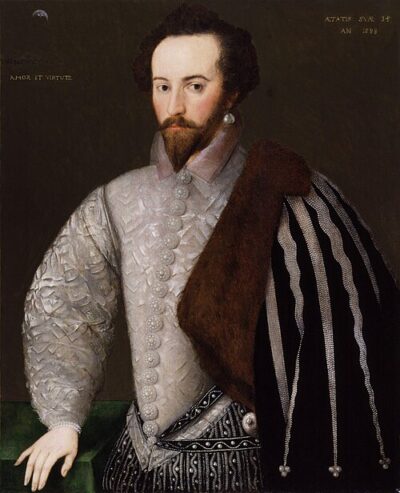 Walter RaleighEnglish statesman, soldier and writer (1552–1618)
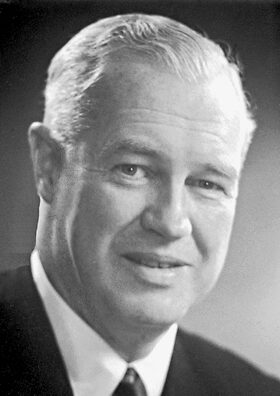 Alexander Todd (1931–1933)British biochemist and Nobel laureate (1907-1997)
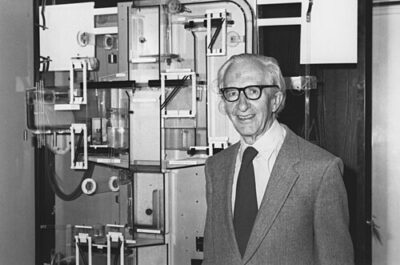 James MeadeBritish economist
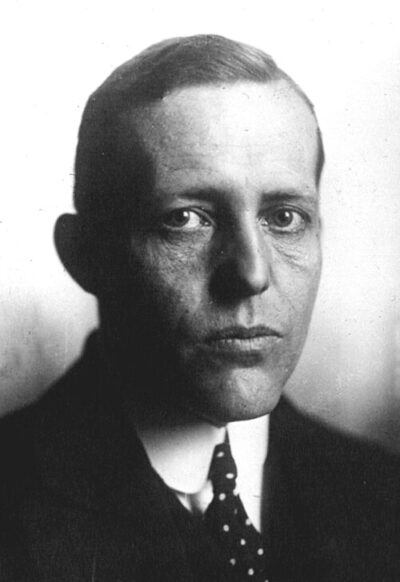 Lutz Graf Schwerin von KrosigkGerman nobleman, jurist, and senior Nazi government official (1887–1977)
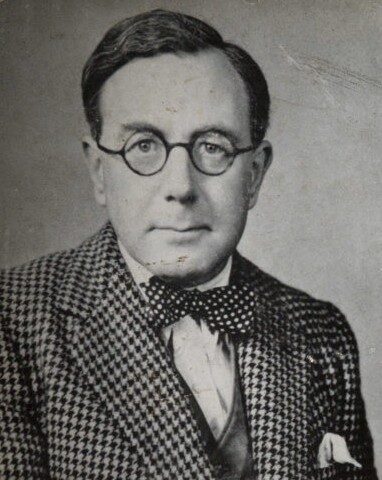 A. J. P. TaylorEnglish historian (1906-1990)
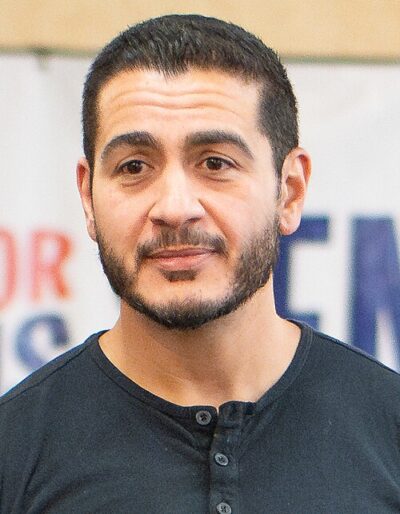 Abdul El-Sayed (2009–2011)American politician and epidemiologist (born 1984)
 Joseph ButlerEnglish bishop and philosopher (1692–1752)
 Thomas PennantWelsh naturalist (1726-1798)
- JJ. L. MackieAustralian philosopher (1917-1981)
 Beau BrummellEnglish man of fashion (1778–1840)
 Thomas HughesEnglish lawyer, judge, politician and author (1822–1896)
 James Anthony FroudeEnglish historian, novelist and biographer (1818–1894)
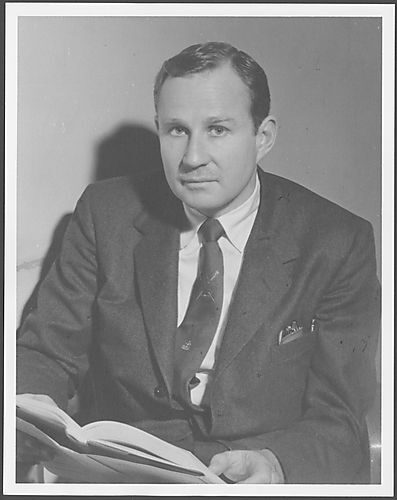 Wilfrid SellarsAmerican philosopher (1912-1989)
