
Orléanism
Orléanism is a political movement. It was founded in 1815.
- Country
- France
- Founded
- 1815
- Chair
- Jacques Laffitte
All 5 facts, and where they come from
Facts
5 facts · 0 confirmed by two sources · 0 cited · 5 from one source
Where this comes from
Papalocal keeps its own record. It started from these sources; what each one said is kept here as it was copied, so a change on their side never changes this page by itself. Tap one to read its version.
What Wikidata says · copied November 17, 2026 · revision 2560285710
- Described as
- political movement
- Other names
- Orleanist, Orléanist, Orleanism
- What it is
- political movement
- Founded
- 1815
- Country
- France
- Chair
- Jacques Laffitte; François Guizot
- Wikipedias with a page
- 21
Wikidata item Q431192 (wikidata.org/wiki/Q431192), public domain (CC0). Copied 2026-11-17.
What Wikipedia says · copied November 17, 2026 · revision 1379632449
Orléanist (French: Orléaniste) was a 19th-century French political label originally used by those who supported a constitutional monarchy expressed by the House of Orléans. Due to the radical political changes that occurred during that century in France, four different phases of Orléanism can be identified:
The "pure" Orléanism: constituted by those who supported the constitutional reign of Louis Philippe I (1830–1848) after the 1830 July Revolution, and who showed liberal and moderate ideas.
The "fusionist" (or "unionist") Orléanism: the movement formed by pure Orléanists and by those Legitimists who after the childless death of Henri, Count of Chambord in 1883 endorsed Philippe, Count of Paris, grandson of Louis Philippe, as his successor. The fusion drove the Orleanist movement to more conservative stances, emphasising French nationality (rejecting claims to France of the Spanish Bourbons on account of their "foreignness") and Catholicism.
The "progressive" Orléanism: the majority of "fusionists" who, after the decline of monarchist sentiment in the 1890s, joined into moderate republicans, who showed progressive and secular-minded goals, or into Catholic rally, like the Liberal Action.
Contemporary Orléanism. The party Action Française embraced and still does advocate for its own variant of Orléanism which rejects the economic liberal policies of "pure" Orléanism and supports Integralism.
Orleanism was opposed by the two other monarchist trends: the more conservative Legitimism that was loyal to the eldest branch of the House of Bourbon after 1830, and the Bonapartism that supported Napoleon's legacy and heirs.
From the Wikipedia article “Orléanist” (en.wikipedia.org/wiki/Orléanist), by its contributors, under CC BY-SA 4.0 (creativecommons.org/licenses/by-sa/4.0/). Copied 2026-11-17; not changed.
Confirmed Two sources agree. Cited One source, and it names where it got it. One source One source, without a reference of its own. Sources disagree The sources disagree. We show the best-supported value and keep theirs below.
People connected 5
Party members
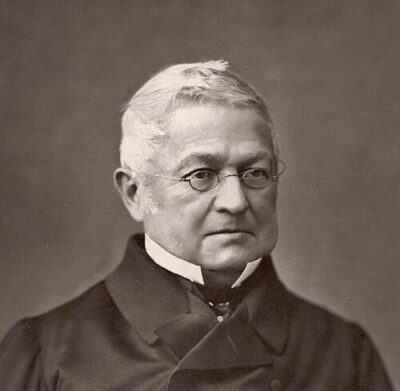 Adolphe ThiersPresident of France from 1871 to 1873 (1797-1877)
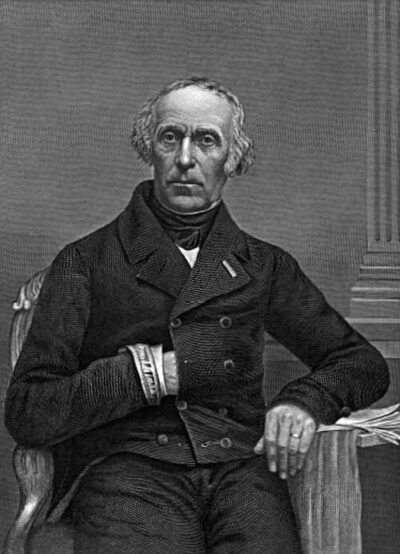 François GuizotFrench historian, orator and statesman (1787–1874)
 Louis Jules TrochuFrench general, President of the National Defence Council (1815-1896)
 Albert, 4th duc de BroglieFrench politician (1821-1901)
 Victor de BroglieFrench politician (1785-1870)
