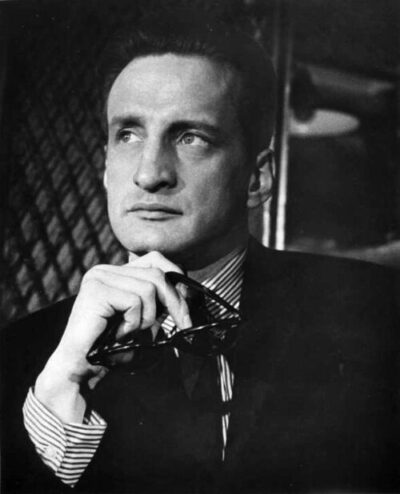
Patton
Patton is a 1970 film directed by Franklin J. Schaffner. It stars George C. Scott, Karl Malden and Michael Bates. It won the Academy Award for Best Picture and 7 more.
- Released
- February 4, 1970
- Directed by
- Franklin J. Schaffner
- Genre
- biographical film
- Country of origin
- United States
All 31 facts, and where they come from
Facts
31 facts · 0 confirmed by two sources · 19 cited · 12 from one source
Where this comes from
Papalocal keeps its own record. It started from these sources; what each one said is kept here as it was copied, so a change on their side never changes this page by itself. Tap one to read its version.
What Wikidata says · copied November 16, 2026 · revision 2568307169
- Described as
- 1970 film directed by Franklin J. Schaffner
- What it is
- film
- Directed by
- Franklin J. Schaffner · 3 references
- Music by
- Jerry Goldsmith
- Screenplay by
- Francis Ford Coppola; Edmund H. North
- Produced by
- Frank McCarthy
- Starring
- George C. Scott · 5 references; Karl Malden · 4 references; Michael Bates · 3 references; Karl Michael Vogler · 1 reference; Frank Latimore · 1 reference; Morgan Paull · 1 reference; Siegfried Rauch · 1 reference; Hellmut Lange · 1 reference; Richard Münch · 1 reference; Lawrence Dobkin · 1 reference
- Genre
- biographical film; war film · 3 references; drama film · 1 reference
- Released
- April 2, 1970 · 1 reference; March 26, 1970 · 1 reference; February 4, 1970
- Original language
- English
- Country of origin
- United States
- Followed by
- The Last Days of Patton
- Awards
- Academy Award for Best Picture (1971) · 1 reference; Academy Award for Best Actor (1971) · 1 reference; Academy Award for Best Director (1971) · 1 reference; Academy Award for Best Film Editing (1971) · 1 reference; Academy Award for Best Writing, Original Screenplay (1971) · 1 reference; Academy Award for Best Production Design (1971) · 1 reference; Academy Award for Best Sound (1971) · 1 reference; National Board of Review: Top Ten Films
- Wikipedias with a page
- 57
Wikidata item Q217220 (wikidata.org/wiki/Q217220), public domain (CC0). Copied 2026-11-16.
What Wikipedia says · copied November 16, 2026 · revision 1385772625
Patton is a 1970 American epic biographical war film about U.S. General George S. Patton during World War II. It stars George C. Scott as Patton and Karl Malden as General Omar Bradley. The film was directed by Franklin J. Schaffner from a script by Francis Ford Coppola and Edmund H. North, who based their screenplay on Patton: Ordeal and Triumph by Ladislas Farago and Bradley's memoir, A Soldier's Story.
Patton premiered in New York City on February 5, 1970 before being released by 20th Century-Fox on April 2, 1970. The film grossed $61.7 million against a budget of $12 million. It won seven Academy Awards, including Best Picture, Best Director and Best Original Screenplay. Scott also won the Best Actor for his performance, though he declined the award.
The opening monologue, delivered by Scott as General Patton with an enormous American flag behind him, remains an iconic and often quoted image in film. In 2003, Patton was selected for preservation in the United States National Film Registry by the Library of Congress, who deemed it "culturally, historically or aesthetically significant". The Academy Film Archive also preserved Patton in 2003.
From the Wikipedia article “Patton (film)” (en.wikipedia.org/wiki/Patton_(film)), by its contributors, under CC BY-SA 4.0 (creativecommons.org/licenses/by-sa/4.0/). Copied 2026-11-16; not changed.
Confirmed Two sources agree. Cited One source, and it names where it got it. One source One source, without a reference of its own. Sources disagree The sources disagree. We show the best-supported value and keep theirs below.