
Plumian Professor of Astronomy and Experimental Philosophy
Plumian Professor of Astronomy and Experimental Philosophy is a professorship in Astronomy at Cambridge University, UK.
All 1 facts, and where they come from
Facts
1 facts · 0 confirmed by two sources · 0 cited · 1 from one source
Where this comes from
Papalocal keeps its own record. It started from these sources; what each one said is kept here as it was copied, so a change on their side never changes this page by itself. Tap one to read its version.
What Wikidata says · copied November 17, 2026 · revision 2358470445
- Described as
- professorship in Astronomy at Cambridge University, UK
- What it is
- professorship
- Wikipedias with a page
- 7
Wikidata item Q1131100 (wikidata.org/wiki/Q1131100), public domain (CC0). Copied 2026-11-17.
What Wikipedia says · copied November 17, 2026 · revision 1333562237
The Plumian chair of Astronomy and Experimental Philosophy is one of the major professorships in Astronomy at Cambridge University, alongside the Lowndean Professorship (which is now mainly held by mathematicians). The chair is currently held at the Institute of Astronomy in the University. The Plumian chair was founded in 1704 by Thomas Plume, a member of Christ's College and Archdeacon of Rochester, to "erect an Observatory and to maintain a studious and learned Professor of Astronomy and Experimental Philosophy, and to buy him and his successors utensils and instruments quadrants telescopes etc."
Trustees were appointed, and statutes drawn up by Isaac Newton, John Flamsteed and John Ellys. The first Professorship was awarded in 1706 to Roger Cotes, a former student of Newton, and the stipend was increased in 1768 by Dr Robert Smith, the second Plumian Professor.
From the Wikipedia article “Plumian Professor of Astronomy and Experimental Philosophy” (en.wikipedia.org/wiki/Plumian_Professor_of_Astronomy_and_Experimental_Philosophy), by its contributors, under CC BY-SA 4.0 (creativecommons.org/licenses/by-sa/4.0/). Copied 2026-11-17; not changed.
Confirmed Two sources agree. Cited One source, and it names where it got it. One source One source, without a reference of its own. Sources disagree The sources disagree. We show the best-supported value and keep theirs below.
People connected 5
Held this office
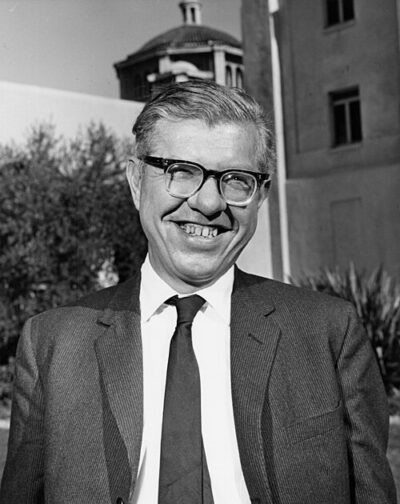 Fred Hoyle (1957–1972)British astronomer (1915–2001)
- HHarold Jeffreys (1946–1958)British geophysicist and statistician (1891–1989)
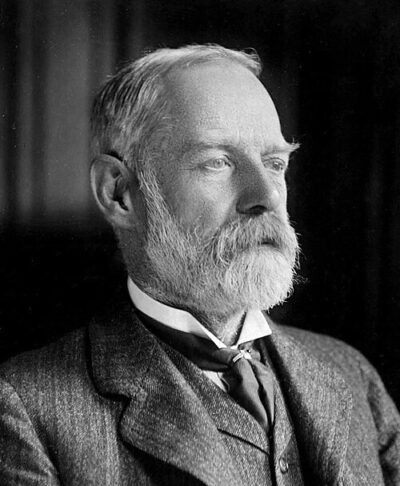 George Howard Darwin (1883–1912)English astronomer, mathematician (1845–1912)
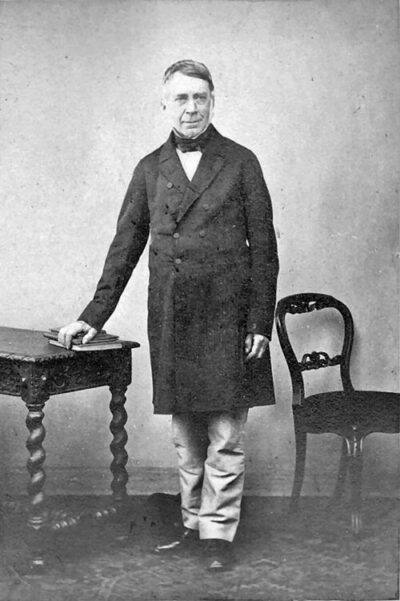 George Biddell Airy (1828–1835)English mathematician and astronomer (1801-1892)
 Roger Cotes (1706–1716)English mathematician
