Premio Malaparte
Premio Malaparte is an Italian literary award. It was created in 1953.
- Country
- Italy
- Created
- 1953
All 5 facts, and where they come from
Facts
5 facts · 0 confirmed by two sources · 0 cited · 5 from one source
Where this comes from
Papalocal keeps its own record. It started from these sources; what each one said is kept here as it was copied, so a change on their side never changes this page by itself. Tap one to read its version.
What Wikidata says · copied November 16, 2026 · revision 2474072842
- Described as
- Italian literary award
- Other names
- Malaparte
- What it is
- literary award
- Created
- 1953
- Country
- Italy
- Named after
- Curzio Malaparte
- Official website
- http://www.premiomalaparte.it
- Wikipedias with a page
- 6
Wikidata item Q15918540 (wikidata.org/wiki/Q15918540), public domain (CC0). Copied 2026-11-16.
What Wikipedia says · copied November 16, 2026 · revision 1333173162
The Premio Malaparte (lit. 'Malaparte Prize') is an Italian literary award given annually to an international writer. It was created in 1983 by Graziella Lonardi Buontempo, Alberto Moravia and the association Amici di Capri. It is named after the writer and journalist Curzio Malaparte and the prize ceremony is held on Capri. The prize became dormant in 1998 but was reactivated in 2012 after efforts from Gabriella Buontempo, general secretary of the association Incontri Internazionali d'Arte.
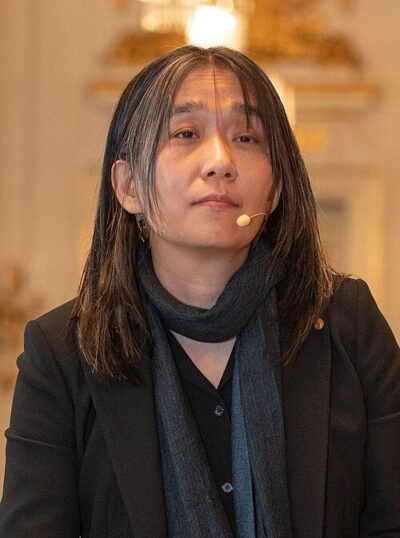
The award is considered one of Italy's highest honors for foreign writers and is known for celebrating an "aesthetic sensibility allied with the spirit and role of the island of Capri." Notable winners have included Nobel laureates and international figures such as Saul Bellow (1984), Nadine Gordimer (1985), Susan Sontag (1992), and Han Kang (2017).
From the Wikipedia article “Premio Malaparte” (en.wikipedia.org/wiki/Premio_Malaparte), by its contributors, under CC BY-SA 4.0 (creativecommons.org/licenses/by-sa/4.0/). Copied 2026-11-16; not changed.
Confirmed Two sources agree. Cited One source, and it names where it got it. One source One source, without a reference of its own. Sources disagree The sources disagree. We show the best-supported value and keep theirs below.