
president of Germany
President of Germany is a head of state of Germany. It was created in 1949.
All 5 facts, and where they come from
Facts
5 facts · 0 confirmed by two sources · 0 cited · 5 from one source
Where this comes from
Papalocal keeps its own record. It started from these sources; what each one said is kept here as it was copied, so a change on their side never changes this page by itself. Tap one to read its version.
What Wikidata says · copied November 16, 2026 · revision 2556311708
- Described as
- head of state of Germany
- Other names
- Federal President of the Federal Republic of Germany, Federal President of Germany
- What it is
- public office
- Created
- May 24, 1949
- Country
- Germany
- Office of
- Germany
- Official website
- http://www.bundespraesident.de/
- Wikipedias with a page
- 72
Wikidata item Q25223 (wikidata.org/wiki/Q25223), public domain (CC0). Copied 2026-11-16.
What Wikipedia says · copied November 16, 2026 · revision 1385634219
The president of Germany, officially titled the federal president of the Federal Republic of Germany (German: Bundespräsident der Bundesrepublik Deutschland), is the head of state of Germany. The current officeholder is Frank-Walter Steinmeier, who was elected on 12 February 2017 and re-elected on 13 February 2022. He is currently serving his second five-year-term, which began on 19 March 2022.
Under the 1949 constitution (Basic Law) Germany has a parliamentary system of government in which the chancellor is the head of government (the title prime minister is most common for this role in other countries). The president has a ceremonial role as figurehead, but also has the right and duty to act politically. They can give direction to general political and societal debates and have some important reserve powers in case of political instability (such as those provided for by Article 81 of the Basic Law). The president also holds the prerogative to grant pardons on behalf of the federation. The German presidents, who can be elected to two consecutive five-year terms, have wide discretion about how they exercise their official duties.
Under Article 59(1) of the Basic Law, the president represents the Federal Republic of Germany in matters of international law, concludes treaties with foreign states on its behalf and accredits diplomats. Furthermore, all federal laws must be signed by the president before they can come into effect; presidents may veto a law if they believe it to violate the constitution.
The president's actions and public appearances represent the state itself, its existence, legitimacy, and unity. The president enjoys a higher ranking at official functions than the chancellor. The president's role is integrative and includes the control function of upholding the law and the constitution. It is a matter of political tradition – not legal restrictions – that the president generally does not comment routinely on issues in the news, particularly when there is some controversy among the political parties. This distance from day-to-day politics and daily governmental issues allows the president to be a source of clarification, to influence public debate, voice criticism, offer suggestions, and make proposals. In order to exercise this power, they traditionally act above party politics.
From the Wikipedia article “President of Germany” (en.wikipedia.org/wiki/President_of_Germany), by its contributors, under CC BY-SA 4.0 (creativecommons.org/licenses/by-sa/4.0/). Copied 2026-11-16; not changed.
Confirmed Two sources agree. Cited One source, and it names where it got it. One source One source, without a reference of its own. Sources disagree The sources disagree. We show the best-supported value and keep theirs below.
People connected 12
Held this office
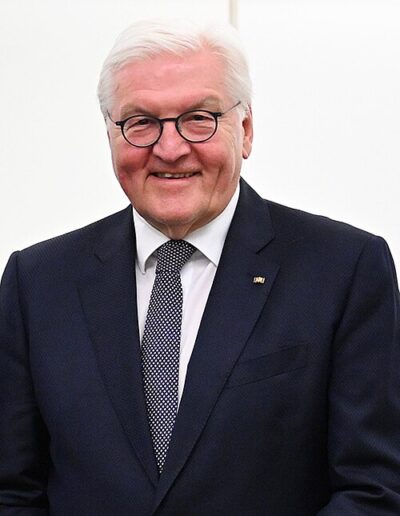 Frank-Walter Steinmeier (2017–)German politician, president of Germany since 2017
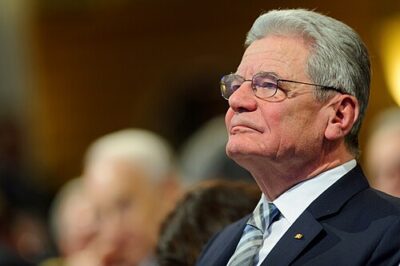 Joachim Gauck (2012–2017)German Protestant pastor and politician, Federal President of Germnay 2012–2017 (born 1940)
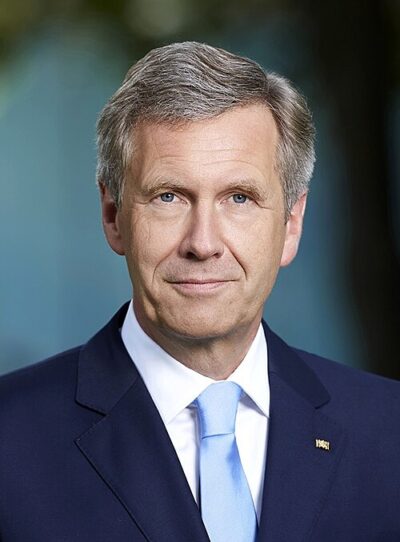 Christian Wulff (2010–2012)10th German Federal President
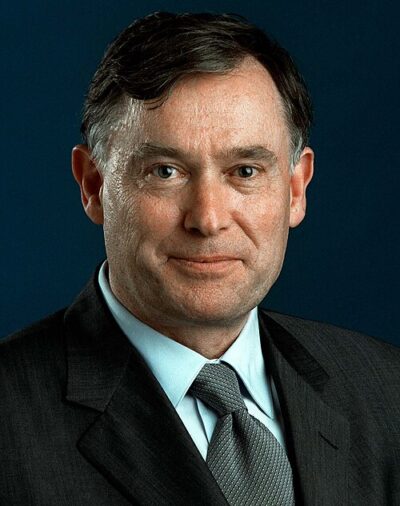 Horst Köhler (2004–2010)German politician (CDU); president of Germany, 2004–2010
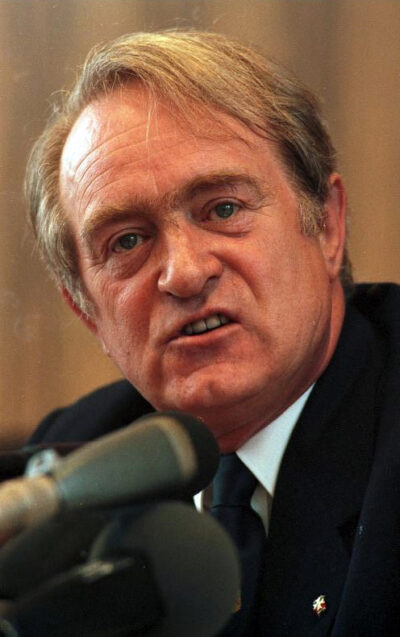 Johannes Rau (1999–2004)German politician (SPD), 8th president of Germany from 1999 until 2004 (1931–2006)
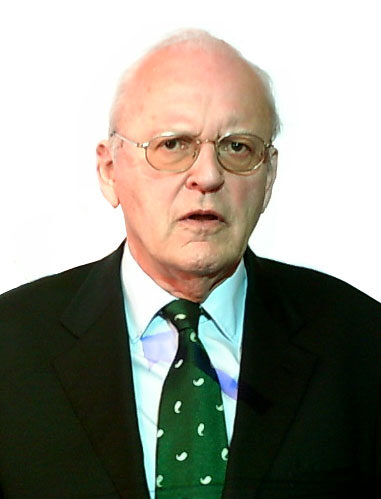 Roman Herzog (1994–1999)former President of the Federal Republic of Germany (1934–2017)
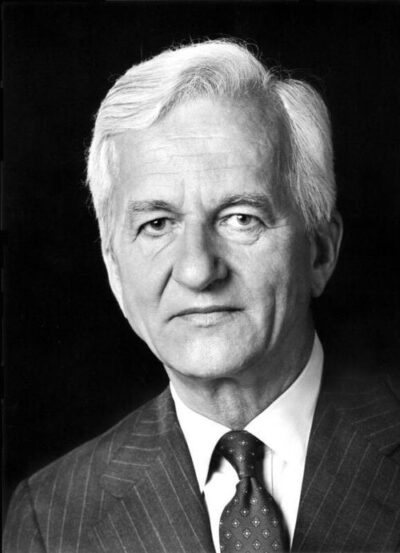 Richard von Weizsäcker (1984–1994)President of Germany from 1984 to 1994
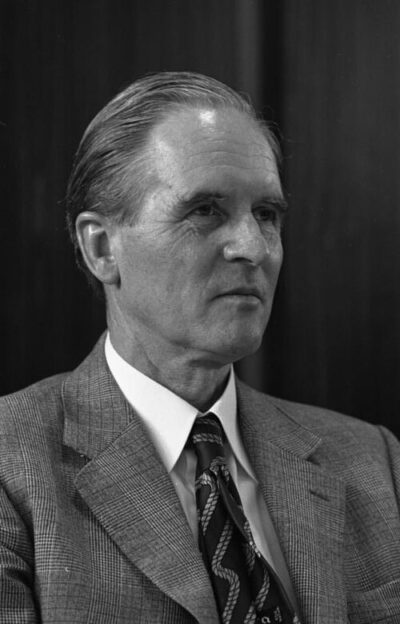 Karl Carstens (1979–1984)president of the Federal Republic of Germany (1914-1992)
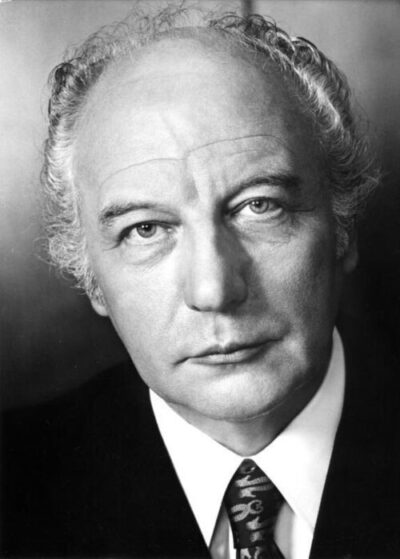 Walter Scheel (1974–1979)President of West Germany (1974–1979)
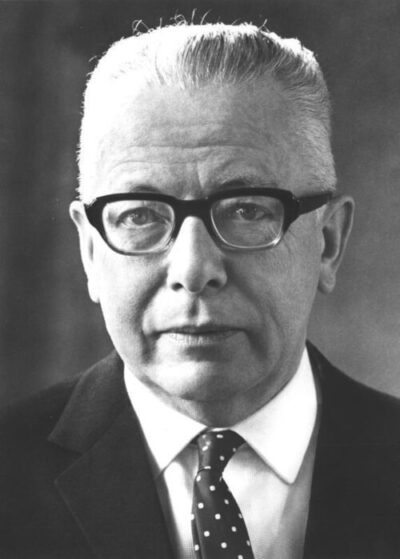 Gustav Heinemann (1969–1974)German politician; President of Germany from 1969–1974 (1899–1976)
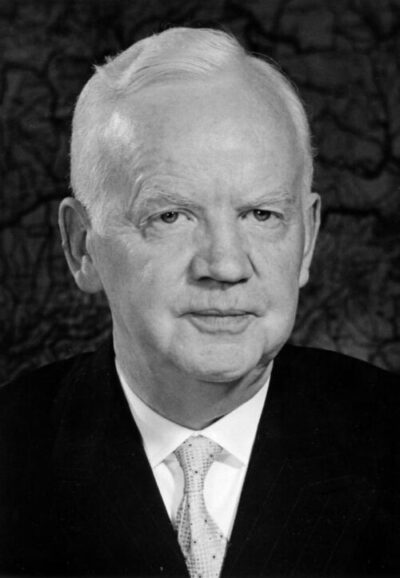 Heinrich Lübke (1959–1969)German politician (1894-1972)
 Theodor Heuss (1949–1959)German journalist and politician (1884-1963)
