
Prime Minister of Tunisia
Prime Minister of Tunisia is a position in Tunisia. It was created in 1922.
All 7 facts, and where they come from
Facts
7 facts · 0 confirmed by two sources · 1 cited · 6 from one source
Where this comes from
Papalocal keeps its own record. It started from these sources; what each one said is kept here as it was copied, so a change on their side never changes this page by itself. Tap one to read its version.
What Wikidata says · copied November 17, 2026 · revision 2557832629
- Described as
- position in Tunisia
- Other names
- Head of Government of Tunisia
- What it is
- position; prime minister
- Created
- May 1922 · 1 reference
- Headquarters
- Tunis · 1 reference
- Country
- Tunisia
- Office of
- Tunisia
- Official website
- http://www.pm.gov.tn/pm/content/index.php · 1 reference
- Wikipedias with a page
- 25
Wikidata item Q1064106 (wikidata.org/wiki/Q1064106), public domain (CC0). Copied 2026-11-17.
What Wikipedia says · copied November 17, 2026 · revision 1373763652
The prime minister of Tunisia (Arabic: رئيس حكومة تونس, romanized: re’īs ḥukūmet Tūnis) is the head of the executive branch of the government of Tunisia. The prime minister directs the executive branch along with the president and, together with the prime minister's cabinet, is accountable to the Assembly of the Representatives of the People, to the prime minister's political party and, ultimately, to the electorate for the policies and actions of the executive and the legislature.
The office was established by Monarch Ali II with the appointment of Rejeb Khaznadar as the inaugural officeholder in 1759. The office was revived again in the republican system by Habib Bourguiba with the appointment of Bahi Ladgham in 1969. The constitution of 1959 established a presidential system where the president was both the head of state and the head of government. Bourguiba transferred some of his powers to the prime minister who had a ceremonial role. After the Tunisian Revolution in 2011, the prime minister was granted major attributions and shares the executive authority with the president. 2022 Tunisian constitutional referendum turned Tunisia into a presidential republic, giving the president sweeping powers while largely limiting the role of the parliament.
The president appoints a prime minister, the nominee of the winning party in the parliamentary election, the one that holds the largest number of seats in the assembly. The prime minister-designate has a month to form a cabinet and submit to parliament for a motion of confidence. If obtained, the cabinet is sworn in by the president. The prime minister and cabinet may be removed by vote of no confidence in the Assembly of People's Representatives.
47 people have held the office since 1759. The current prime minister has been Sara Zaafarani since 21 March 2025.
From the Wikipedia article “Prime Minister of Tunisia” (en.wikipedia.org/wiki/Prime_Minister_of_Tunisia), by its contributors, under CC BY-SA 4.0 (creativecommons.org/licenses/by-sa/4.0/). Copied 2026-11-17; not changed.
Confirmed Two sources agree. Cited One source, and it names where it got it. One source One source, without a reference of its own. Sources disagree The sources disagree. We show the best-supported value and keep theirs below.
People connected 16
Held this office
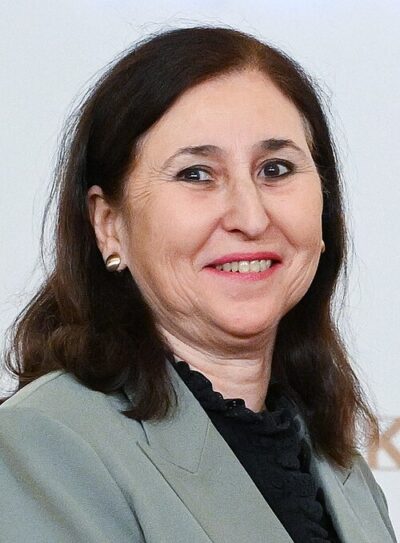 Sarra Zaafrani (2025–)Tunisian engineer, senior civil servant and politician (born 1963)
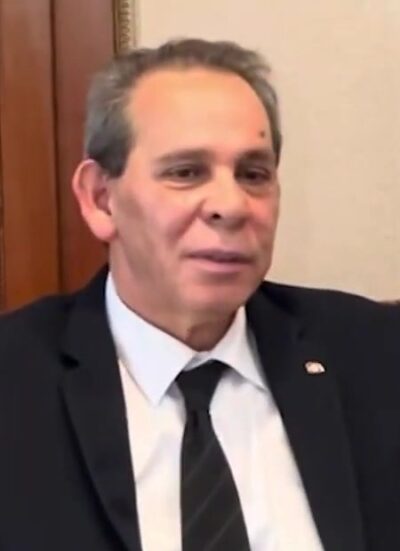 Ahmed Hachani (2023–2024)Tunisian politician
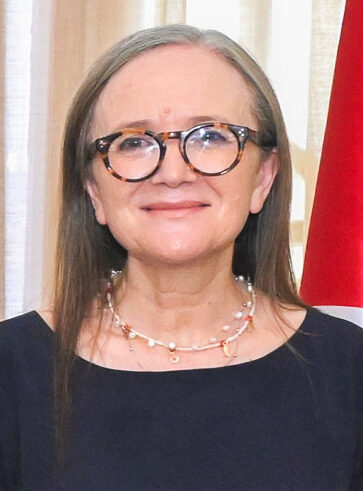 Najla Bouden (2021–2023)Tunisian engineer, academic and politician
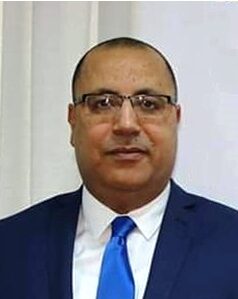 Hichem Mechichi (2020–2021)Tunisian politician (born 1974)
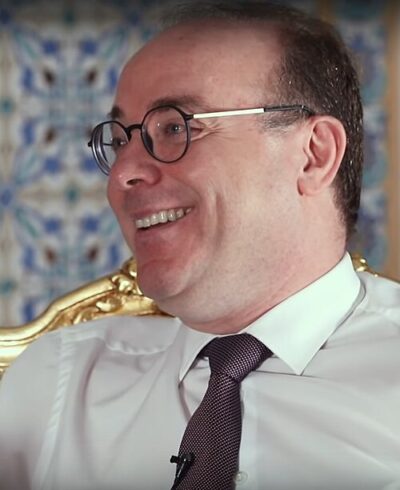 Elyes Fakhfakh (2020)Tunisian politician
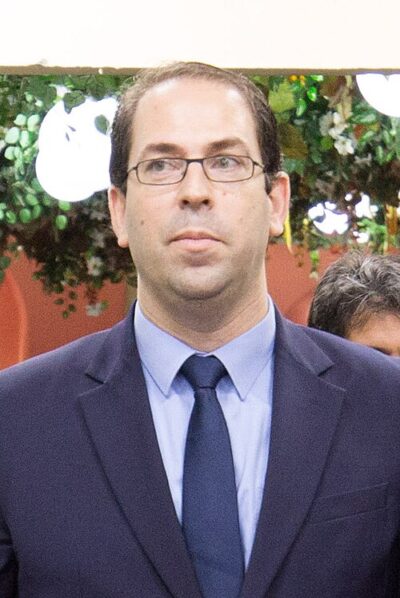 Youssef Chahed (2016–2020)Tunisian politician
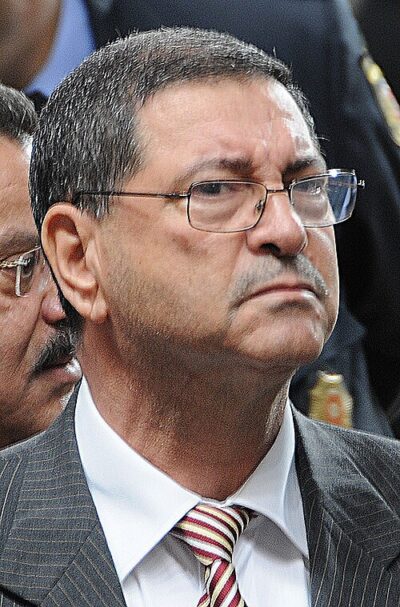 Habib Essid (2015–2016)Tunisian politician
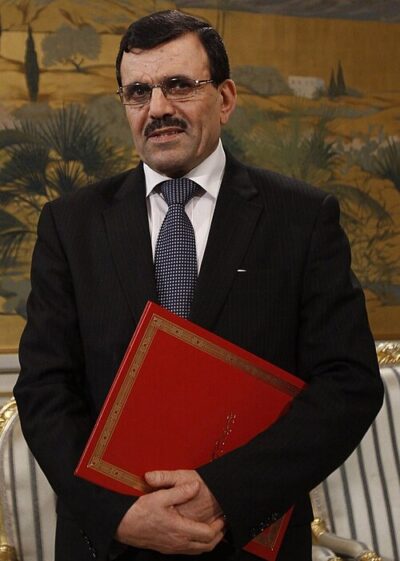 Ali Laarayedh (2013–2014)Tunisian politician
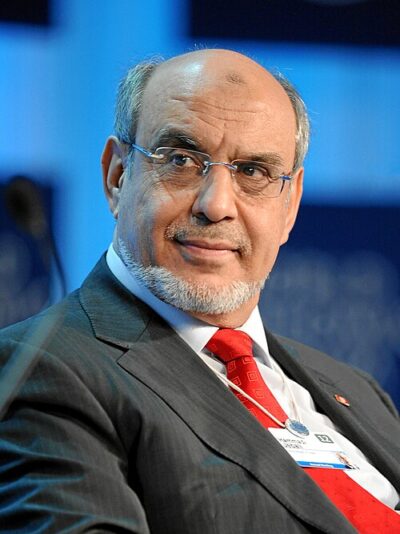 Hamadi Jebali (2011–2013)Tunisian politician and journalist
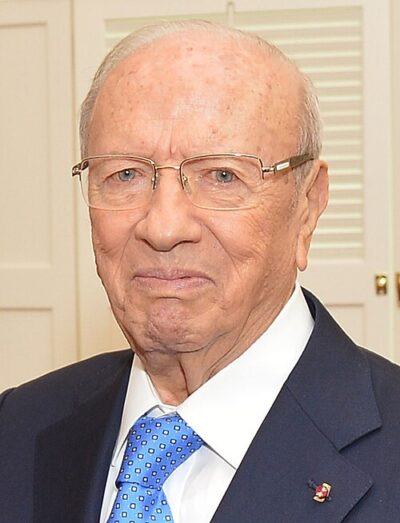 Beji Caid Essebsi (2011)Tunisian politician
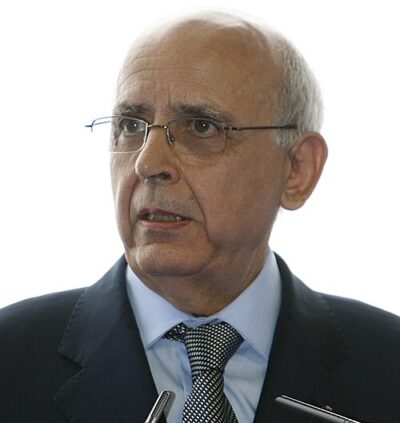 Mohamed Ghannouchi (1999–2011)Tunisian politician
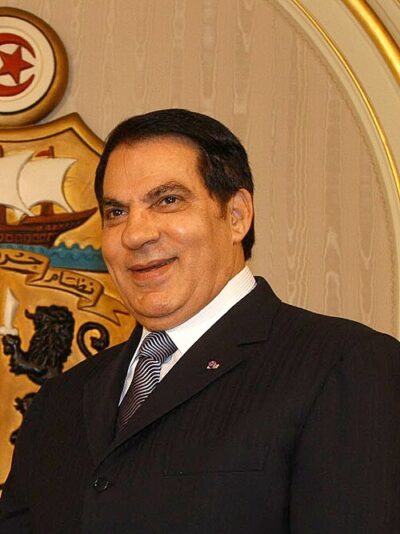 Zine El Abidine Ben Ali (1987)Tunisian politician
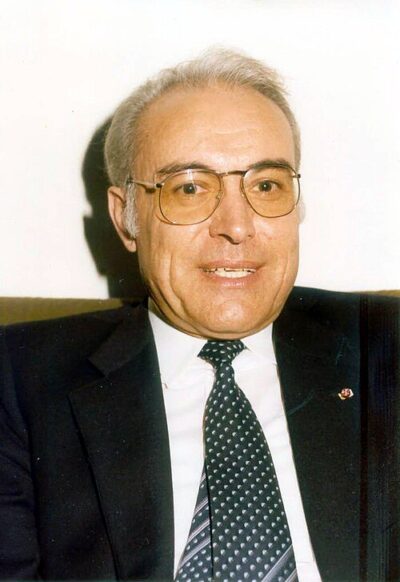 Rachid Sfar (1986–1987)Tunisian politician (1933–2023)
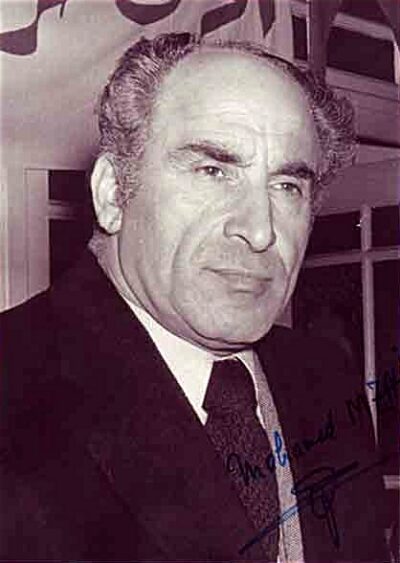 Mohamed Mzali (1980–1986)Tunisian politician (1925-2010)
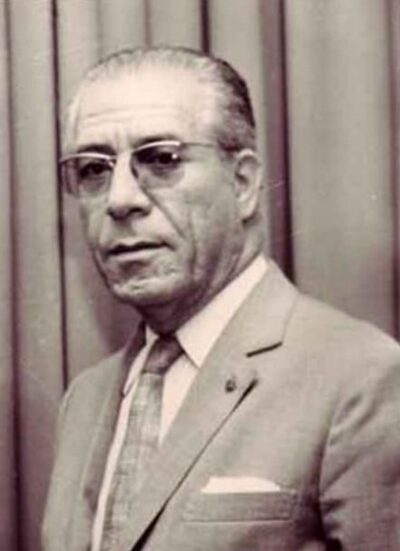 Hedi Amara Nouira (1970–1980)Tunisian politician (1911-1993)
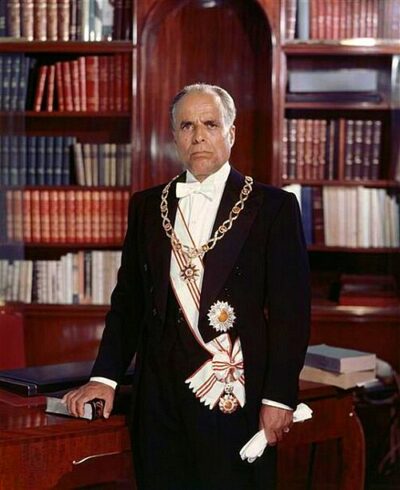 Habib Bourguiba (1956–1957)Tunisian politician (1903–2000)
