

prime minister
Prime minister is the most senior minister of cabinet in the executive branch of government in a parliamentary system.
All 1 facts, and where they come from
Facts
1 facts · 0 confirmed by two sources · 0 cited · 1 from one source
Where this comes from
Papalocal keeps its own record. It started from these sources; what each one said is kept here as it was copied, so a change on their side never changes this page by itself. Tap one to read its version.
What Wikidata says · copied November 16, 2026 · revision 2569675223
- Described as
- most senior minister of cabinet in the executive branch of government in a parliamentary system
- Other names
- first minister, P.M., PM
- What it is
- type of position
- Wikipedias with a page
- 132
Wikidata item Q14212 (wikidata.org/wiki/Q14212), public domain (CC0). Copied 2026-11-16.
What Wikipedia says · copied November 16, 2026 · revision 1381018004
A prime minister, also known as a chief of cabinet, chief minister, first minister, minister-president or premier, is the head of the cabinet and the leader of the ministers in the executive branch of government, often in a parliamentary or semi-presidential system. A prime minister is not the head of state, but rather the head of government, serving as the chief of the executive under either a monarch or a president in a republican form of government.
In parliamentary systems of government (be they constitutional monarchies or parliamentary republics), the Prime Minister (or occasionally a similar post with a different title, such as the Chancellor of Germany) is the most powerful politician and the functional leader of the state, by virtue of commanding the confidence of the legislature. The head of state is typically a ceremonial officer, though they may exercise reserve powers to check the Prime Minister in unusual situations.
Under some presidential systems, such as South Korea and Peru, the prime minister is the leader or the most senior member of the cabinet, but not the head of government. As such, in South Korea, the prime minister is equivalent to that of a vice president which is the second in-command and assumes the presidency in the absence of the president.
In many systems, the prime minister selects and may dismiss other members of the cabinet, and allocates posts to members within the government. In most systems, the prime minister is the presiding member and chairman of the cabinet. In a minority of systems, notably in semi-presidential systems, a prime minister is the official appointed to manage the civil service and execute the directives of the head of state.Today, the prime minister is often, but not always, a member of the legislature or its lower house, and is expected with other ministers to ensure the passage of bills through the legislature. In some monarchies the monarch may also exercise executive powers (known as the royal prerogative) without the approval of parliament.
As well as being head of government, being prime minister may require holding other roles or posts—the prime minister of the United Kingdom, for example, is also First Lord of the Treasury and Minister for the Civil Service. In some cases, prime ministers may choose to hold additional ministerial posts (e.g. when the portfolio is critical to that government's mandate): during the Second World War Winston Churchill was also Minister of Defence (although there was then no Ministry of Defence). Another example is the Thirty-fourth government of Israel (2015–2019), when Benjamin Netanyahu at one point served as the prime minister and minister of Communications, Foreign Affairs, Regional Cooperation, Economy, Defense and Interior.
From the Wikipedia article “Prime minister” (en.wikipedia.org/wiki/Prime_minister), by its contributors, under CC BY-SA 4.0 (creativecommons.org/licenses/by-sa/4.0/). Copied 2026-11-16; not changed.
Confirmed Two sources agree. Cited One source, and it names where it got it. One source One source, without a reference of its own. Sources disagree The sources disagree. We show the best-supported value and keep theirs below.
Picture: Wikimedia Commons: CommonwealthPrimeMinisters1944.jpg · See Commons file page
People connected 9
Held this office
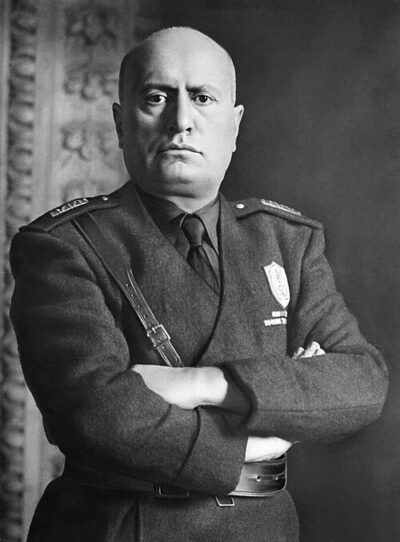 Benito Mussolini (1943–1945)Prime minister of Italy from 1922 to 1943
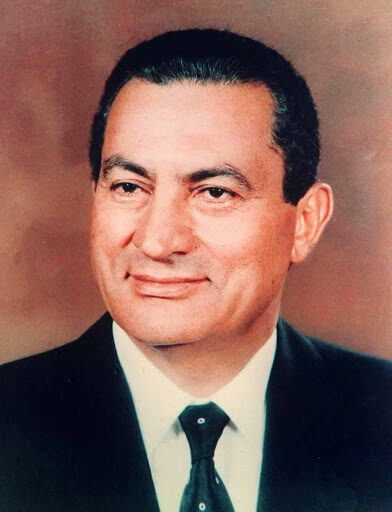 Hosni MubarakPresident of Egypt from 1981 to 2011
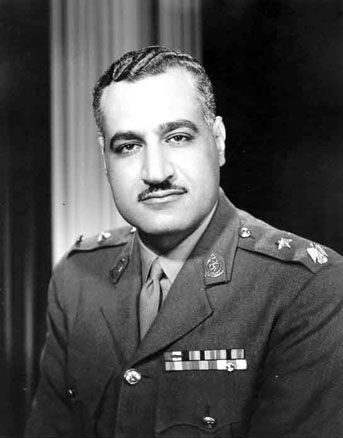 Gamal Abdel NasserPresident of Egypt from 1956 to 1970
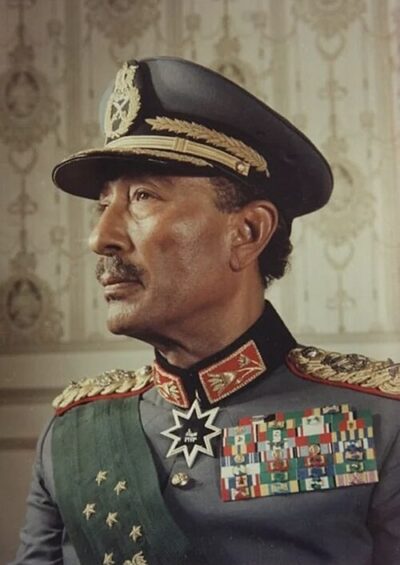 Anwar SadatPresident of Egypt from 1970 to 1981
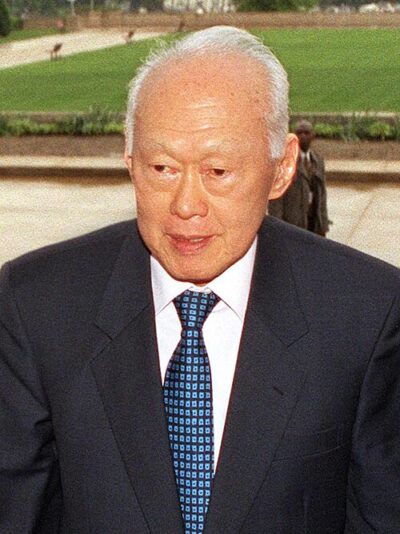 Kuan Yew Lee1st Prime Minister of the Republic of Singapore (1923–2015)
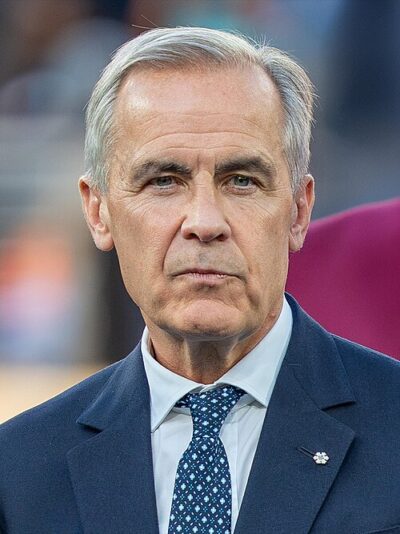 Mark Carney24th prime minister of Canada since 2025
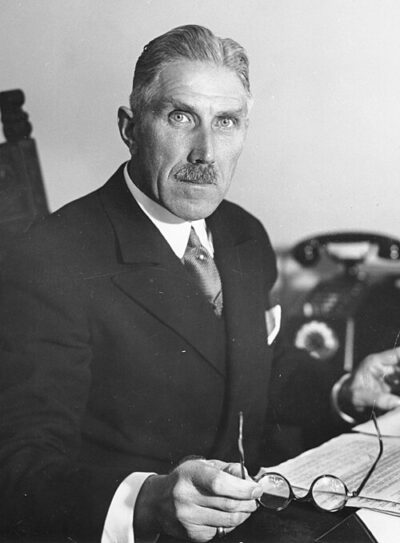 Franz von PapenGerman general staff officer, politician, diplomat, nobleman and Chancellor of Germany (1879–1969)
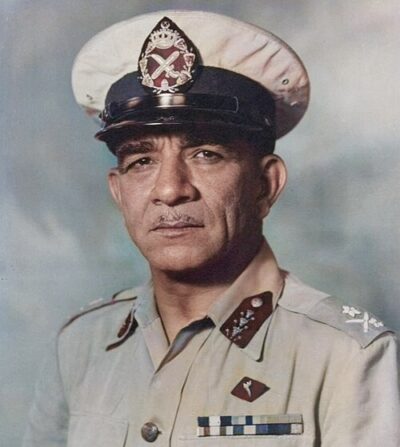 Mohamed Naguib1st President of the Republic of Egypt (1901–1984)
- LLi SiChinese politician of the Qin Dynasty
