
Princess Royal
Princess Royal is a Noble title customarily awarded by British monarchs to their eldest daughters. It was created in 1642.
- Country
- United Kingdom
- Created
- 1642
All 4 facts, and where they come from
Facts
4 facts · 0 confirmed by two sources · 0 cited · 4 from one source
Where this comes from
Papalocal keeps its own record. It started from these sources; what each one said is kept here as it was copied, so a change on their side never changes this page by itself. Tap one to read its version.
What Wikidata says · copied November 17, 2026 · revision 2464743232
- Described as
- Noble title customarily awarded by British monarchs to their eldest daughters
- What it is
- noble title
- Created
- 1642 · 1 reference
- Country
- United Kingdom; United Kingdom of Great Britain and Ireland
- Wikipedias with a page
- 32
Wikidata item Q1052964 (wikidata.org/wiki/Q1052964), public domain (CC0). Copied 2026-11-17.
What Wikipedia says · copied November 17, 2026 · revision 1373764338
Princess Royal is a title customarily (but not automatically) awarded by British monarchs to their eldest daughters. Although purely honorary, it is the highest honour that may be given to a female member of the royal family. There have been seven Princesses Royal in history; the title is not inherited, and there can be only one holder of it at any one time. Princess Anne became the Princess Royal in 1987.
The title Princess Royal came into existence when Queen Henrietta Maria (1609–1669), daughter of Henry IV, King of France, and wife of King Charles I (1600–1649), wanted to imitate the way the eldest daughter of the King of France was styled "Madame Royale". Thus, Princess Mary (born 1631), the daughter of Henrietta Maria and Charles, became the first Princess Royal in 1642.
It has become established that the title belongs to no one by right, but is given entirely at the sovereign's discretion. Princess Mary (later Queen Mary II) (1662–1694), the elder daughter of King James II, and Princess Sophia Dorothea (1687–1757), the only daughter of King George I, were each 'eligible' for the title but neither received it: at the times they respectively became eligible for the style, Princess Mary was already Princess of Orange, and Sophia Dorothea was already Queen in Prussia. No Princess Royal has ever acceded to the British throne; Princess Victoria, the eldest daughter of Queen Victoria, was the only title holder to simultaneously be heiress presumptive, until she was displaced by the birth of her younger brother Prince Albert Edward (later King Edward VII). With the changes to the rules of succession agreed by the Commonwealth Realms in Perth in 2011, to absolute primogeniture, Princesses Royal in the future are now more likely to accede to the throne.
Princess Louisa Maria (1692–1712), the youngest daughter of King James II (died 1701), born after he lost his crown in the Glorious Revolution of 1688–1689, was considered to be Princess Royal during James's exile by Jacobites at Saint-Germain-en-Laye and was so called by them, even though she was not James's eldest living daughter at any time during her life.
The title is held for life, even if the holder outlives her parent the monarch, and there is only ever one Princess Royal at a time. Upon the death of a Princess Royal, the style is not inherited by any of her daughters; instead, if the monarch parent of the late Princess Royal has also died, the new monarch may bestow it upon their own eldest daughter. Thus, Princess Louise was granted the style of Princess Royal by her father King Edward VII in 1905; she retained it until her death in 1931, more than twenty years into the reign of her brother King George V. Only upon Louise's death did the title become available for George's own daughter, Princess Mary, who was granted the title in 1932, retaining it until her death in 1965. Because Mary outlived not only her father but also her brother King George VI, the title was never available during George VI's reign to be granted to his elder daughter Princess Elizabeth (later Queen Elizabeth II), though she would otherwise have been eligible to hold it.
Customarily, when a princess marries, she takes on her husband's title. If her husband has a lower title or style, her style as a princess remains in use, although it may then be combined with her style by marriage, e.g. HRH The Princess Louise, Duchess of Argyll or HRH Princess Alice, Countess of Athlone – if that princess had a territorial designation, she may cease its use. Exceptionally, however, a princess who has been granted the title of HRH The Princess Royal will not customarily combine it with her style by marriage. For example, Princess Anne has been Her Royal Highness The Princess Royal since being given the title in 1987; prior to that, her formal title was Her Royal Highness The Princess Anne, Mrs Mark Phillips.
From the Wikipedia article “Princess Royal” (en.wikipedia.org/wiki/Princess_Royal), by its contributors, under CC BY-SA 4.0 (creativecommons.org/licenses/by-sa/4.0/). Copied 2026-11-17; not changed.
Confirmed Two sources agree. Cited One source, and it names where it got it. One source One source, without a reference of its own. Sources disagree The sources disagree. We show the best-supported value and keep theirs below.
People connected 7
Held this office
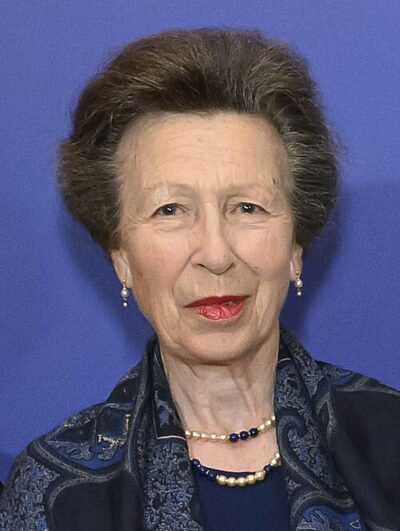 Anne, Princess Royal (1987–)daughter of Queen Elizabeth II and Prince Philip, Duke of Edinburgh
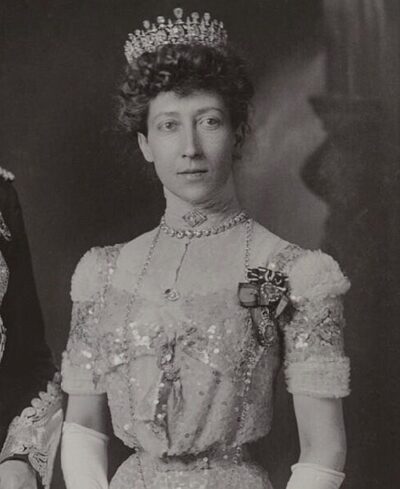 Louise, Princess Royal (1905–1931)third child and eldest daughter of Edward VII of the United Kingdom and Alexandra of Denmark (1867-1931)
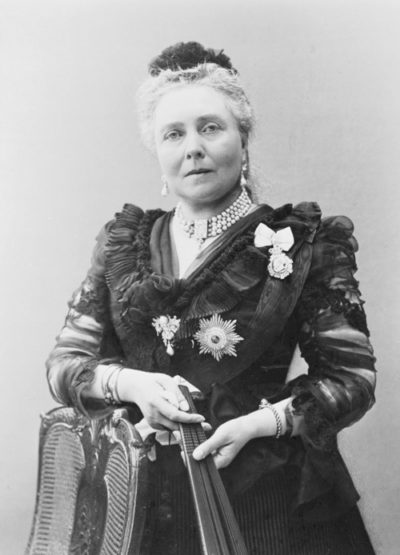 Victoria, Princess Royal (1841–1901)British princess (1840-1901), Empress of Germany and Queen consort of Prussia from March to June 1888
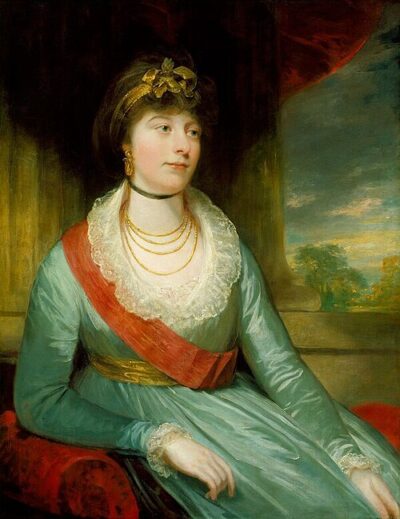 Charlotte, Princess Royal (1789–)British princess (1766-1828); eldest daughter of George III
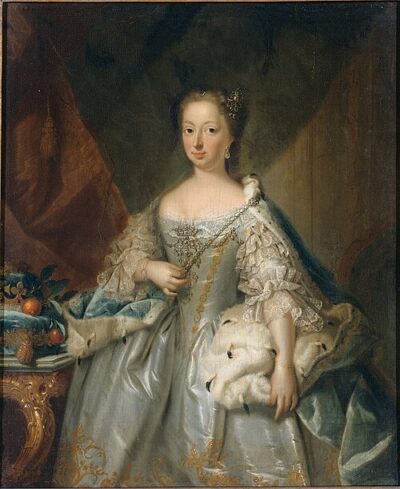 Anne, Princess Royal and Princess of Orange (1727–1759)British princess (1709-1759); eldest daughter of George II (1709–1759)
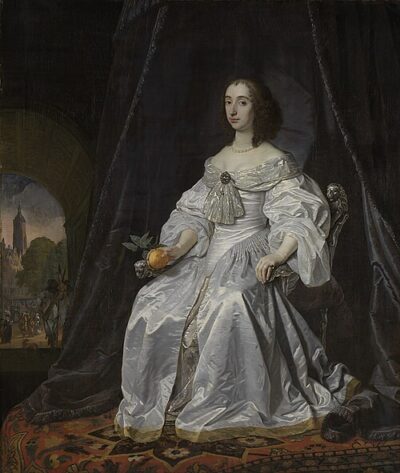 Mary Henrietta, Princess Royal (1642–1660)eldest daughter of Charles I of England and his wife, Henrietta Maria of France; mother of William III of England (1631-1660)
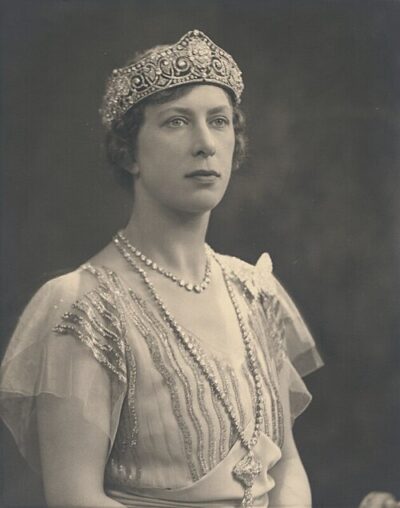 Mary, Princess Royal and Countess of HarewoodMember of the House of Windsor
