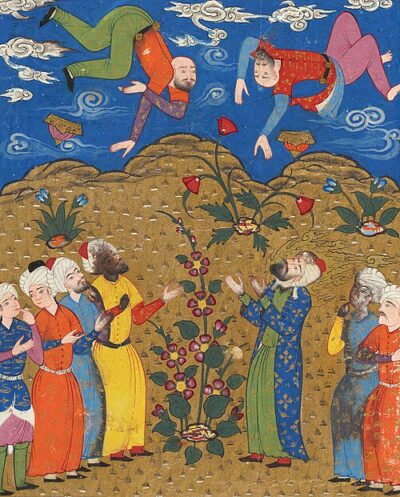
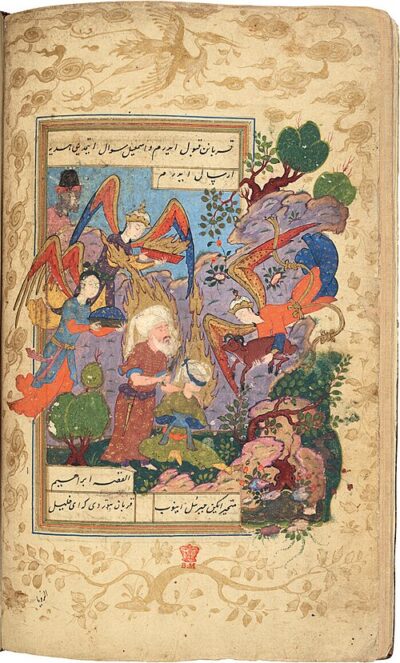
prophet of Islam
Prophet of Islam is an apostles who preach the news of what comes from the revelation and Sharia. It is based on waḥy.
All 3 facts, and where they come from
Facts
3 facts · 0 confirmed by two sources · 0 cited · 3 from one source
Where this comes from
Papalocal keeps its own record. It started from these sources; what each one said is kept here as it was copied, so a change on their side never changes this page by itself. Tap one to read its version.
What Wikidata says · copied November 17, 2026 · revision 2563808229
- Described as
- apostles who preach the news of what comes from the revelation and Sharia
- Other names
- prophets and messengers in Islam, prophets in Islam, prophet in Islam, nabi
- What it is
- religious role
- Based on
- waḥy; Tanzil
- Wikipedias with a page
- 84
Wikidata item Q168827 (wikidata.org/wiki/Q168827), public domain (CC0). Copied 2026-11-17.
What Wikipedia says · copied November 17, 2026 · revision 1385704241
Prophets in Islam (Arabic: ٱلْأَنْبِيَاء فِي ٱلْإِسْلَام, romanized: al-anbiyāʾ fī al-islām) are individuals in Islam who are believed to spread God's message on Earth and serve as models of ideal human behaviour. Some prophets are categorized as messengers (Arabic: رُسُل, romanized: rusul. Sing. رَسُول, rasūl), those who transmit divine revelation, most of them through the interaction of an angel. Muslims believe that many prophets existed, including many not mentioned in the Quran. The Quran states: "And for every community there is a messenger." Belief in the Islamic prophets is one of the six articles of the Islamic faith.
Muslims believe that the first prophet was also the first human being Adam, created by God. Many of the revelations delivered by the 48 prophets in Judaism and many prophets of Christianity are mentioned as such in the Quran with the Arabic versions of their names; for example, the Jewish Elisha is called Alyasaʿ, Job is Ayyub, Jesus is 'Isa, etc. The Torah given to Moses (Musa) is called Tawrat, the Psalms given to David (Dawud) is the Zabur, the Gospel given to Jesus is Injil.
The last prophet in Islam is Muhammad, whom Muslims believe to be the Seal of the Prophets, to whom the Quran was revealed in a series of revelations (and written down by his companions). Muslims believe the Quran is the divine word of God, thus immutable and protected from distortion and corruption, destined to remain in its true form until the Last Day. Although Muhammad is considered the last prophet, some Muslim traditions also recognize and venerate saints. In Islam, every prophet preached the same core beliefs: the Oneness of God, worshipping of that one God, avoidance of idolatry and sin, and the belief in the Day of Resurrection or the Day of Judgement and life after death. Prophets and messengers are believed to have been sent by God to different communities during different times in history.
From the Wikipedia article “Prophets and messengers in Islam” (en.wikipedia.org/wiki/Prophets_and_messengers_in_Islam), by its contributors, under CC BY-SA 4.0 (creativecommons.org/licenses/by-sa/4.0/). Copied 2026-11-17; not changed.
Confirmed Two sources agree. Cited One source, and it names where it got it. One source One source, without a reference of its own. Sources disagree The sources disagree. We show the best-supported value and keep theirs below.
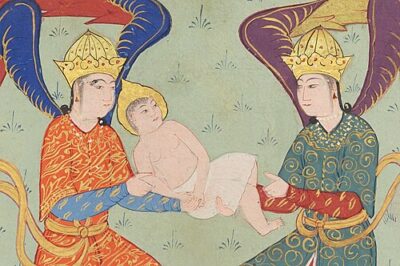
Picture: Wikimedia Commons: Siyer-i Nebi 151b.jpg · See Commons file page
People connected 8
Occupation
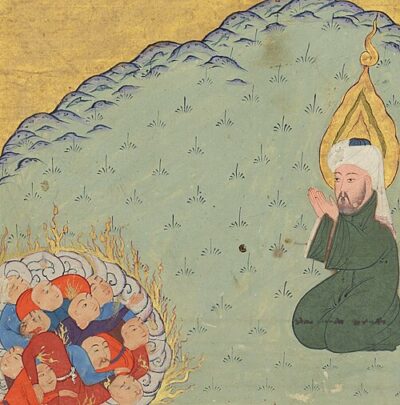 ShuaybProphet narrated in the Quran
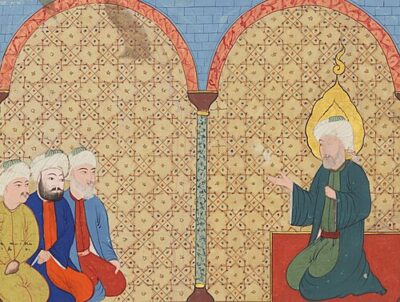 Dhu'l-Kiflprophet mentioned in the Quran
 Joseph in Islamprophet and son of Jacob in Islam
 John the Baptist in Islamson of Zechariah
 Job in Islamone of the prophets in Islam