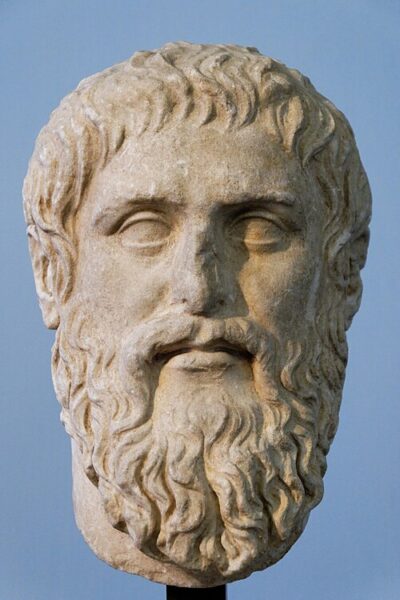
Protagoras
Protagoras is a Platonic dialogue.
- Written by
- Plato
- Genre
- Socratic dialogue
All 7 facts, and where they come from
Facts
7 facts · 0 confirmed by two sources · 0 cited · 7 from one source
Where this comes from
Papalocal keeps its own record. It started from these sources; what each one said is kept here as it was copied, so a change on their side never changes this page by itself. Tap one to read its version.
What Wikidata says · copied November 17, 2026 · revision 2555874122
- Described as
- Platonic dialogue
- Other names
- Plat. Prot.
- What it is
- written work; Platonic dialogue
- Written by
- Plato
- Genre
- Socratic dialogue
- Language
- Ancient Greek
- Part of the series
- Platonic dialogue · 1 reference
- Named after
- Protagoras
- Wikipedias with a page
- 33
Wikidata item Q520328 (wikidata.org/wiki/Q520328), public domain (CC0). Copied 2026-11-17.
What Wikipedia says · copied November 17, 2026 · revision 1324580740
Protagoras ( proh-TAG-ər-əs, -ass; Ancient Greek: Πρωταγόρας) is a dialogue by Plato. The traditional subtitle (which may or may not be Plato's) is "or the Sophists". The main argument is between Socrates and the elderly Protagoras, a celebrated sophist and philosopher. The discussion takes place at the home of Callias, who is host to Protagoras while he is in town. The philosophical issues raised in the Protagoras include the unity and the teachability of virtue, and the relationship between pleasure and goodness.
From the Wikipedia article “Protagoras (dialogue)” (en.wikipedia.org/wiki/Protagoras_(dialogue)), by its contributors, under CC BY-SA 4.0 (creativecommons.org/licenses/by-sa/4.0/). Copied 2026-11-17; not changed.
Confirmed Two sources agree. Cited One source, and it names where it got it. One source One source, without a reference of its own. Sources disagree The sources disagree. We show the best-supported value and keep theirs below.
Picture: Wikimedia Commons: Protagoras beginning. Clarke Plato.jpg · See Commons file page