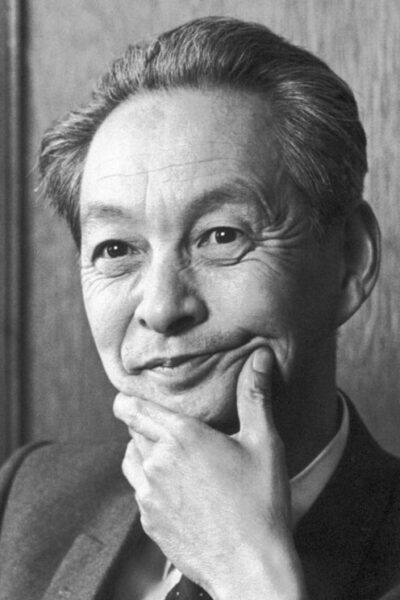
quantum electrodynamics
Quantum electrodynamics is an Abelian gauge theory describing quantum interactions of the electromagnetic field with matter. It came out in 1927.
- Came out
- 1927
All 2 facts, and where they come from
Facts
2 facts · 0 confirmed by two sources · 0 cited · 2 from one source
Where this comes from
Papalocal keeps its own record. It started from these sources; what each one said is kept here as it was copied, so a change on their side never changes this page by itself. Tap one to read its version.
What Wikidata says · copied November 17, 2026 · revision 2551451308
- Described as
- Abelian gauge theory describing quantum interactions of the electromagnetic field with matter
- Other names
- QED
- What it is
- branch of physics
- Came out
- 1927
- Wikipedias with a page
- 62
Wikidata item Q234881 (wikidata.org/wiki/Q234881), public domain (CC0). Copied 2026-11-17.
What Wikipedia says · copied November 17, 2026 · revision 1382771692
In particle physics, quantum electrodynamics (QED) is the relativistic quantum field theory of electrodynamics. It describes how light and matter interact. QED mathematically describes all phenomena involving electrically charged particles interacting by exchange of photons, and represents the quantum counterpart of classical electromagnetism giving a complete account of matter and light interaction.
In technical terms, QED can be described as a perturbation theory of the electromagnetic quantum vacuum. Richard Feynman called it "the jewel of physics" for its extremely accurate predictions of quantities like the anomalous magnetic moment of the electron and the Lamb shift of the energy levels of hydrogen. It is the most precise and stringently tested theory in physics.
From the Wikipedia article “Quantum electrodynamics” (en.wikipedia.org/wiki/Quantum_electrodynamics), by its contributors, under CC BY-SA 4.0 (creativecommons.org/licenses/by-sa/4.0/). Copied 2026-11-17; not changed.
Confirmed Two sources agree. Cited One source, and it names where it got it. One source One source, without a reference of its own. Sources disagree The sources disagree. We show the best-supported value and keep theirs below.
Picture: Wikimedia Commons: Bhabha scattering t-channel.svg · See Commons file page
People connected 7
Field
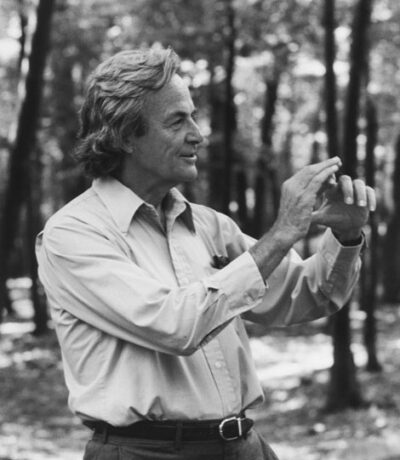 Richard FeynmanAmerican theoretical physicist (1918–1988)
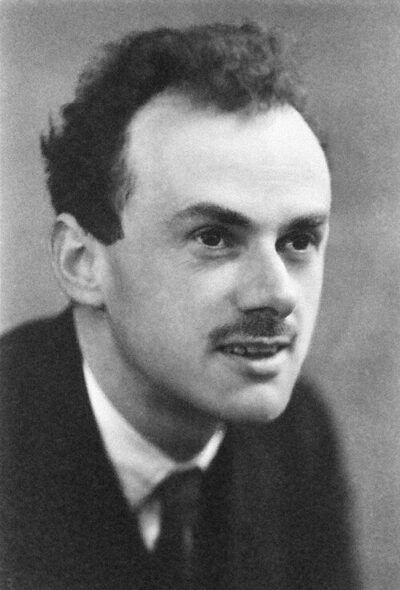 Paul DiracBritish theoretical physicist (1902–1984)
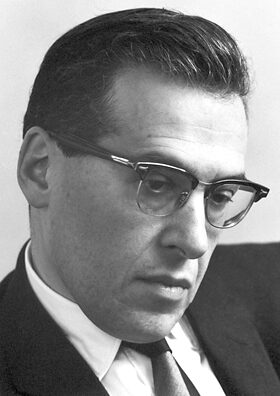 Julian Seymour SchwingerAmerican theoretical physicist (1918–1994)
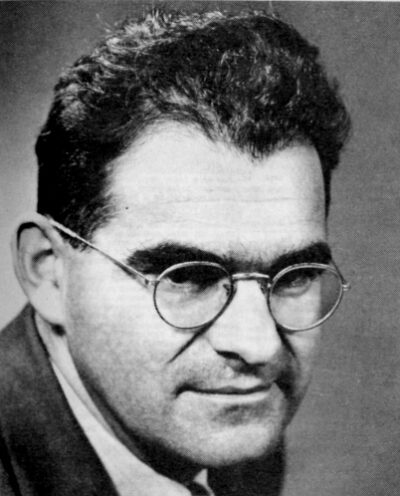 Victor WeisskopfAustrian American theoretical physicist (1908–2002)
 Walter Heitlerphysicist (1904-1981)
- BBoris PodolskyRussian-American physicist (1896-1966)