Regent of Hungary
Regent of Hungary is a historical office; head of state of Hungary between 1920 to 1944. It was created in 1446. It is an office of the Kingdom of Hungary.
- Office of
- Kingdom of Hungary
- Country
- Kingdom of Hungary
- Created
- 1446
All 5 facts, and where they come from
Facts
5 facts · 0 confirmed by two sources · 0 cited · 5 from one source
Where this comes from
Papalocal keeps its own record. It started from these sources; what each one said is kept here as it was copied, so a change on their side never changes this page by itself. Tap one to read its version.
What Wikidata says · copied November 17, 2026 · revision 2562406695
- Described as
- historical office; head of state of Hungary between 1920 to 1944
- Other names
- Governor of Hungary
- What it is
- position
- Created
- 1446
- Ended
- October 16, 1944
- Country
- Kingdom of Hungary
- Office of
- Kingdom of Hungary
- Wikipedias with a page
- 11
Wikidata item Q16931742 (wikidata.org/wiki/Q16931742), public domain (CC0). Copied 2026-11-17.
What Wikipedia says · copied November 17, 2026 · revision 1373901194
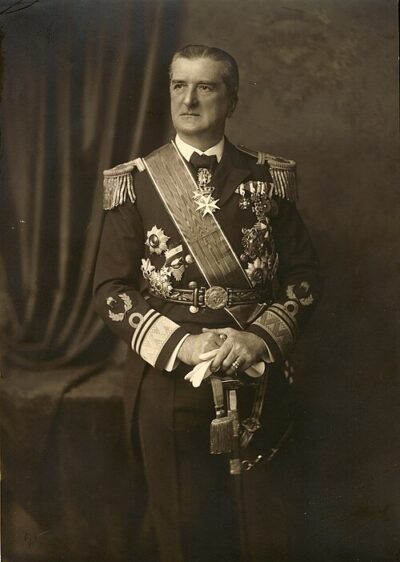
The regent of Hungary (Hungarian: Magyarország kormányzója) was a position established in 1446 and renewed in 1920. It was held by Admiral Miklós Horthy until 1944. Under the Constitution of Hungary there were two regents, one a regent of the ruling house, called the Nádor, and another called "Kormányzó" (which can mean "governor"). As the Allied Powers had banned the legitimate Nádor (kept by a member of the House of Habsburg) from taking his place, the choice fell on electing a governor-regent: Admiral Horthy was chosen. Thus, he was regent of the post-World War I state called the Kingdom of Hungary and served as the head of state in the absence of a monarch, while a prime minister served as head of government. Horthy was styled "His Serene Highness the Regent of the Kingdom of Hungary" (Ő Főméltósága a Magyar Királyság Kormányzója).
From the Wikipedia article “Regent of Hungary” (en.wikipedia.org/wiki/Regent_of_Hungary), by its contributors, under CC BY-SA 4.0 (creativecommons.org/licenses/by-sa/4.0/). Copied 2026-11-17; not changed.
Confirmed Two sources agree. Cited One source, and it names where it got it. One source One source, without a reference of its own. Sources disagree The sources disagree. We show the best-supported value and keep theirs below.