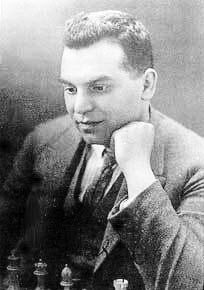
Réti endgame study
Réti endgame study is a chess endgame study about king and pawn against king and pawn. It came out in 1921. It was written by Richard Réti.
- Released
- 1921
- Written by
- Richard Réti
All 5 facts, and where they come from
Facts
5 facts · 0 confirmed by two sources · 0 cited · 5 from one source
Where this comes from
Papalocal keeps its own record. It started from these sources; what each one said is kept here as it was copied, so a change on their side never changes this page by itself. Tap one to read its version.
What Wikidata says · copied November 17, 2026 · revision 2533899560
- Described as
- chess endgame study about king and pawn against king and pawn
- Other names
- Reti endgame study
- What it is
- endgame study
- Written by
- Richard Réti
- Released
- 1921
- Sport
- chess
- Named after
- Richard Réti
- Wikipedias with a page
- 8
Wikidata item Q1544944 (wikidata.org/wiki/Q1544944), public domain (CC0). Copied 2026-11-17.
What Wikipedia says · copied November 17, 2026 · revision 1358453473
The Réti endgame study is a chess endgame study by Richard Réti. It was published in 1921 in Kagans Neueste Schachnachrichten. It demonstrates how a king can make multiple threats and how it can take more than one path to a given location, using the same number of moves. It is covered in many books on the endgame (see chess endgame literature). The procedure is known as the "Réti Maneuver" or "Réti's Idea". Endgame composer Abram Gurvich called the theme "The Hunt of Two Hares" and it appears in many other studies and games. It is also called "chasing two birds at once".
From the Wikipedia article “Réti endgame study” (en.wikipedia.org/wiki/Réti_endgame_study), by its contributors, under CC BY-SA 4.0 (creativecommons.org/licenses/by-sa/4.0/). Copied 2026-11-17; not changed.
Confirmed Two sources agree. Cited One source, and it names where it got it. One source One source, without a reference of its own. Sources disagree The sources disagree. We show the best-supported value and keep theirs below.
Picture: Wikimedia Commons: Studio de Reti.JPG · See Commons file page