
Roman dictator
Roman dictator is an emergency magistrate of the Roman Republic, whose action are not subject to a veto. It was created in -501. It is an office of Ancient Rome.
- Office of
- Ancient Rome
- Country
- Ancient Rome
- Created
- 501 BC
All 4 facts, and where they come from
Facts
4 facts · 0 confirmed by two sources · 0 cited · 4 from one source
Where this comes from
Papalocal keeps its own record. It started from these sources; what each one said is kept here as it was copied, so a change on their side never changes this page by itself. Tap one to read its version.
What Wikidata says · copied November 17, 2026 · revision 2515855255
- Described as
- emergency magistrate of the Roman Republic, whose action are not subject to a veto
- Other names
- Dictator
- What it is
- elective office
- Created
- 501 BC · 1 reference
- Country
- Ancient Rome
- Office of
- Ancient Rome
- Wikipedias with a page
- 52
Wikidata item Q236885 (wikidata.org/wiki/Q236885), public domain (CC0). Copied 2026-11-17.
What Wikipedia says · copied November 17, 2026 · revision 1373708618
A Roman dictator was an extraordinary magistrate of the Roman Republic, endowed with full authority to resolve some specific problem to which he had been assigned. He received the full powers of the state, subordinating the other magistrates, consuls included, for the specific purpose of resolving that issue, and only that issue, and then dispensing with those powers immediately.
A dictator was still controlled and accountable during his term of office: the Senate still exercised some oversight authority, and the rights of plebeian tribunes to veto his actions or of the people to appeal them were retained. The extent of a dictator's mandate strictly controlled the ends to which his powers could be directed. Dictators were also—at least in some cases—liable to prosecution after their terms completed.
Dictators were frequently appointed from the earliest period of the Republic down to the Second Punic War (218–201 BC), but the magistracy then went into abeyance for over a century. It was later revived in a significantly modified form, first by Sulla between 82 and 79 BC and then by Caesar between 49 and 44 BC, who became dictator perpetuo just before his death. This later dictatorship was used to effect wide-ranging and semi-permanent changes across Roman society. After Caesar's assassination in 44 BC, the office was formally abolished and never revived.
From the Wikipedia article “Roman dictator” (en.wikipedia.org/wiki/Roman_dictator), by its contributors, under CC BY-SA 4.0 (creativecommons.org/licenses/by-sa/4.0/). Copied 2026-11-17; not changed.
Confirmed Two sources agree. Cited One source, and it names where it got it. One source One source, without a reference of its own. Sources disagree The sources disagree. We show the best-supported value and keep theirs below.
People connected 6
Held this office
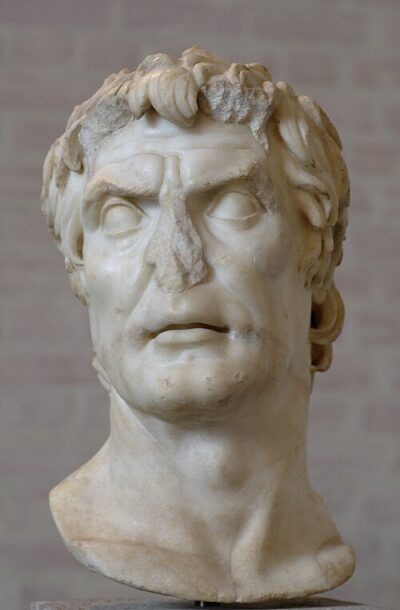 Sulla (-82–-80)Roman dictator and general
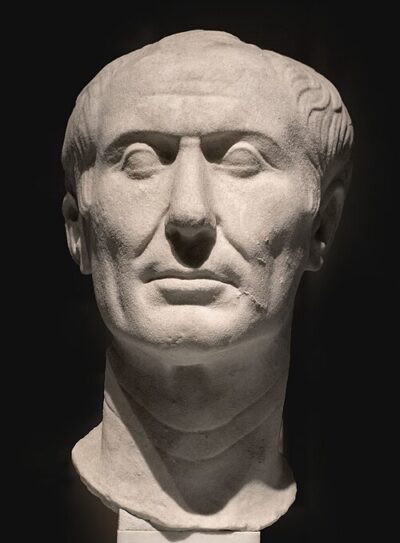 Julius Caesar (-49–-44)Roman general and dictator
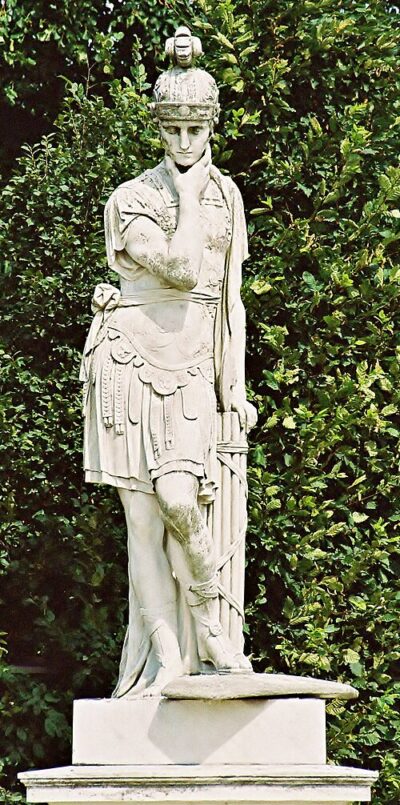 Quintus Fabius Maximus VerrucosusRoman statesman and general (c. 280 – 203 BC)
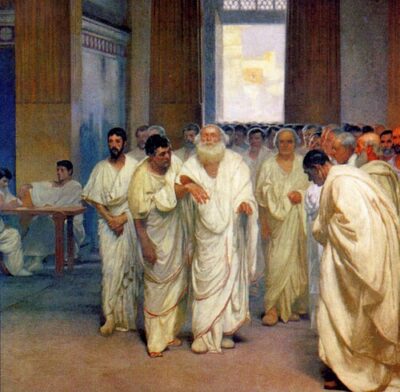 Appius Claudius CaecusRoman statesman and writer (fl. c. 312–279 BC)
 CincinnatusRoman politician and military figure (c. 519 – c. 430 BC)
 Marcus Furius Camilluspolitician and soldier (446–365 BCE)
