
Roman triumph
Roman triumph is an Ancient Roman ceremony.
- Country
- Ancient Rome
All 3 facts, and where they come from
Facts
3 facts · 0 confirmed by two sources · 0 cited · 3 from one source
Where this comes from
Papalocal keeps its own record. It started from these sources; what each one said is kept here as it was copied, so a change on their side never changes this page by itself. Tap one to read its version.
What Wikidata says · copied November 17, 2026 · revision 2569392010
- Described as
- Ancient Roman ceremony
- Other names
- triumph
- What it is
- ceremony; award
- Country
- Ancient Rome
- Wikipedias with a page
- 42
Wikidata item Q657438 (wikidata.org/wiki/Q657438), public domain (CC0). Copied 2026-11-17.
What Wikipedia says · copied November 17, 2026 · revision 1381052696
The Roman triumph (triumphus) was a civil ceremony and religious rite of ancient Rome, held to publicly celebrate and sanctify the success of a military commander who had led Roman forces to victory in the service of the state or, in some historical traditions, one who had successfully completed a foreign war.
On the day of his triumph, the general wore a crown of laurel and an all-purple, gold-embroidered triumphal toga picta ("painted" toga), regalia that identified him as near-divine or near-kingly. In some accounts, his face was painted red, perhaps in imitation of Rome's highest and most powerful god, Jupiter. The general rode in a four-horse chariot through the streets of Rome in unarmed procession with his army, captives, and the spoils of his war. At Jupiter's temple on the Capitoline Hill, he offered sacrifice and the tokens of his victory to Jupiter.
In Republican tradition, only the Senate could grant a triumph. The origins and development of this honour are obscure: Roman historians themselves placed the first triumph in the mythic past. Republican morality required that the general conduct himself with dignified humility, as a mortal citizen who triumphed on behalf of Rome's Senate, people, and gods. Inevitably, the triumph offered the general extraordinary opportunities for self-publicity, besides its religious and military dimensions. Most triumphal celebrations included a range of popular games and entertainments for the Roman masses.
Most Roman festivals were calendar fixtures, tied to the worship of particular deities. While the triumphal procession culminated at Jupiter's temple on the far end of the Via Sacra (sacred road) in the Roman Forum, the procession itself, attendant feasting, and public games promoted the general's status and achievement. By the Late Republican era, triumphs were drawn out and extravagant, motivated by increasing competition among the military-political adventurers who ran Rome's nascent empire. Some triumphs were prolonged by several days of public games and entertainments. From the Principate onwards, the triumph reflected the Imperial order and the pre-eminence of the Imperial family. The triumph was consciously imitated by medieval and later states in the royal entry and other ceremonial events.
From the Wikipedia article “Roman triumph” (en.wikipedia.org/wiki/Roman_triumph), by its contributors, under CC BY-SA 4.0 (creativecommons.org/licenses/by-sa/4.0/). Copied 2026-11-17; not changed.
Confirmed Two sources agree. Cited One source, and it names where it got it. One source One source, without a reference of its own. Sources disagree The sources disagree. We show the best-supported value and keep theirs below.
People connected 6
Won it
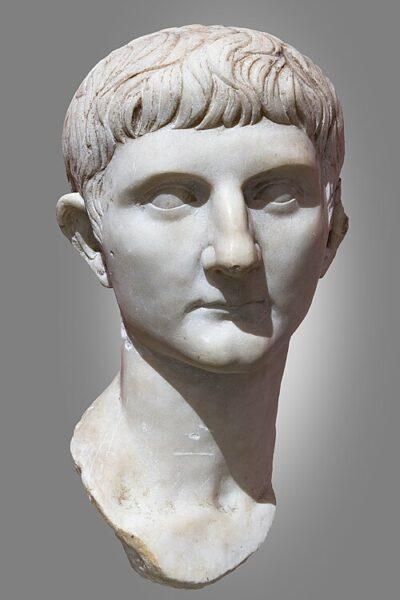 Germanicus (17)nephew and adopted son of emperor Tiberius, heir apparent of the Roman Empire, and father of emperor Caligula
 Lucius Antonius (-41)brother of Roman triumvir Mark Antony
 Lucius Aemilius Paullus (-219)Roman general and senator (died 216 BC)
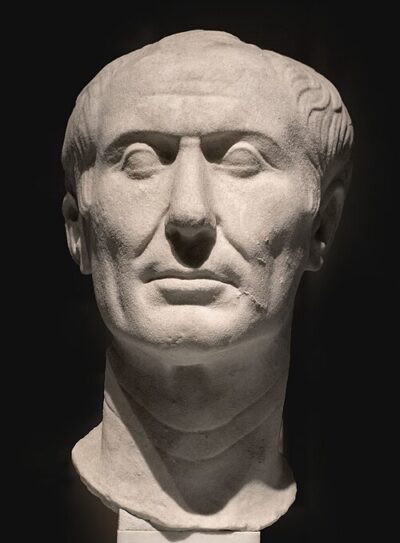 Julius CaesarRoman general and dictator
 Scipio AemilianusRoman politician and general (185–129 BC)
 Lucius Mummius AchaicusRoman censor in 142 BC
