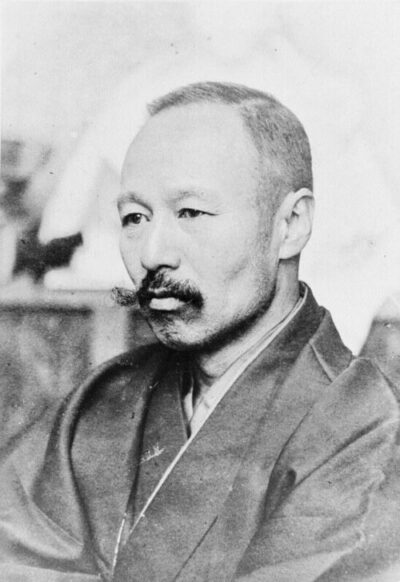
Sansho the Bailiff
Sansho the Bailiff is a 1954 film by Kenji Mizoguchi. It was written by Mori Ōgai. It stars Kinuyo Tanaka, Kyōko Kagawa and Eitarō Shindō. It is based on Sansho dayu.
- Released
- 1954
- Written by
- Mori Ōgai
- Directed by
- Kenji Mizoguchi
- Genre
- drama film
- Country of origin
- Japan
All 22 facts, and where they come from
Facts
22 facts · 0 confirmed by two sources · 5 cited · 17 from one source
Where this comes from
Papalocal keeps its own record. It started from these sources; what each one said is kept here as it was copied, so a change on their side never changes this page by itself. Tap one to read its version.
What Wikidata says · copied November 17, 2026 · revision 2568136858
- Described as
- 1954 film by Kenji Mizoguchi
- What it is
- film
- Written by
- Mori Ōgai
- Directed by
- Kenji Mizoguchi · 2 references
- Music by
- Fumio Hayasaka
- Screenplay by
- Yoshikata Yoda; Mori Ōgai
- Produced by
- Masaichi Nagata
- Starring
- Kinuyo Tanaka · 2 references; Kyōko Kagawa; Eitarō Shindō; Ken Mitsuda · 1 reference; Masahiko Tsugawa; Masao Shimizu · 1 reference; Ichirō Sugai; Ryōsuke Kagawa; Akitake Kōno
- Genre
- drama film · 2 references; Jidaigeki
- Released
- 1954; March 31, 1954 · 1 reference
- Original language
- Japanese
- Country of origin
- Japan
- Based on
- Sansho dayu
- Wikipedias with a page
- 28
Wikidata item Q2633405 (wikidata.org/wiki/Q2633405), public domain (CC0). Copied 2026-11-17.
What Wikipedia says · copied November 17, 2026 · revision 1385153928
Sansho the Bailiff (Japanese: 山椒大夫, Hepburn: Sanshō Dayū; known by its Japanese title in the United Kingdom and Ireland) is a 1954 Japanese period film directed by Kenji Mizoguchi based on a 1915 short story of the same name by Mori Ōgai (translated as "Sanshō the Steward" in English), which in turn was based on a sekkyō-bushi (oral lore) appearing in written form in the 17th century. It follows two aristocratic children who are sold into slavery.
Sansho the Bailiff bears many of Mizoguchi's hallmarks, such as portrayals of poverty and elaborately choreographed long takes. It is regarded as Mizoguchi’s magnum opus and one of the greatest films of all time.
From the Wikipedia article “Sansho the Bailiff” (en.wikipedia.org/wiki/Sansho_the_Bailiff), by its contributors, under CC BY-SA 4.0 (creativecommons.org/licenses/by-sa/4.0/). Copied 2026-11-17; not changed.
Confirmed Two sources agree. Cited One source, and it names where it got it. One source One source, without a reference of its own. Sources disagree The sources disagree. We show the best-supported value and keep theirs below.
Picture: Wikimedia Commons: Sansho Dayu poster.jpg · See Commons file page