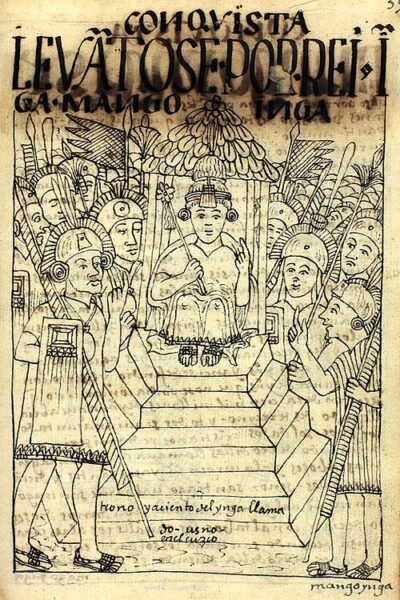
Sapa Inca
Sapa Inca is an Emperor of the Inca Empire (Tawantinsuyu).
- Office of
- Inca Empire
All 5 facts, and where they come from
Facts
5 facts · 0 confirmed by two sources · 0 cited · 5 from one source
Where this comes from
Papalocal keeps its own record. It started from these sources; what each one said is kept here as it was copied, so a change on their side never changes this page by itself. Tap one to read its version.
What Wikidata says · copied November 17, 2026 · revision 2569115941
- Described as
- Emperor of the Inca Empire (Tawantinsuyu)
- Other names
- The Great Inca, Divinity, Inka Qhapaq, mighty Inca, Sapa, The Great One, Inca
- What it is
- position; hereditary position; historical position
- Followed by
- Vilcabamba Inca
- Office of
- Inca Empire
- Wikipedias with a page
- 42
Wikidata item Q165948 (wikidata.org/wiki/Q165948), public domain (CC0). Copied 2026-11-17.
What Wikipedia says · copied November 17, 2026 · revision 1361719190
The Sapa Inca (from Quechua: sapa inka; lit. 'the only emperor') was the monarch of the Inca Empire (Tawantinsuyu "the region of the four [provinces]"), as well as ruler of the earlier Kingdom of Cusco and the later Neo-Inca State at Vilcabamba. While the origins of the position are mythical and originate from the legendary foundation of the city of Cusco, it seems to have come into being historically around AD 1100. Although the Inca believed the Sapa Inca to be the son of Inti (the sun god) and often referred to him as Inti churi "solar son" or Intip churin "son of the sun", the position eventually became hereditary, with son succeeding father. The principal wife of the Inca was known as the coya or quya. The Sapa Inca was at the top of the social hierarchy and played a dominant role in the political and spiritual realm.
Manco Capac, the first Inca monarch, adopted the title capac or qhapaq (roughly translated as "king"). Inca Roca, the sixth Inca monarch, was evidently the first to bear the title sapa Inca ("emperor") officially.
There were two known dynasties, led by the Hurin and Hanan moieties respectively. The latter was in power at the time of Spanish conquest. The last effective Sapa Inca of Inca Empire was Atahualpa, who was executed by Francisco Pizarro and his conquistadors in 1533, but several successors later claimed the title.
Other terms for sapa Inca include apu ("lord"), qhapaq Inka ("mighty Inca") or simply sapa ("the only one").
From the Wikipedia article “Sapa Inca” (en.wikipedia.org/wiki/Sapa_Inca), by its contributors, under CC BY-SA 4.0 (creativecommons.org/licenses/by-sa/4.0/). Copied 2026-11-17; not changed.
Confirmed Two sources agree. Cited One source, and it names where it got it. One source One source, without a reference of its own. Sources disagree The sources disagree. We show the best-supported value and keep theirs below.
People connected 14
Held this office
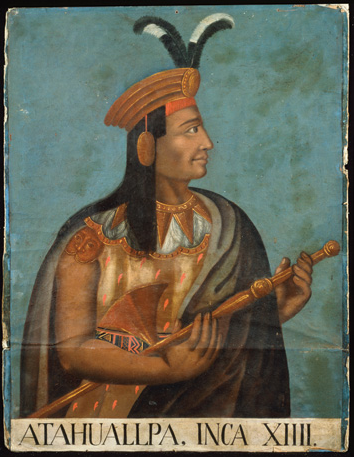 Atahualpa (1532–1533)Last Incan emperor
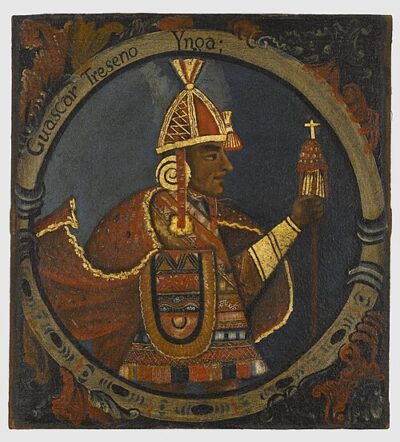 Huascar (1527–1532)14th Inca Emperor
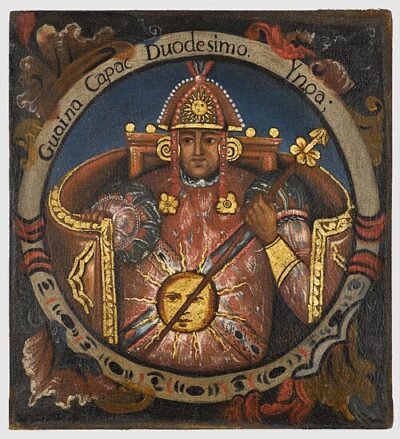 Huayna Capac (1493–1527)13th Inca Emperor
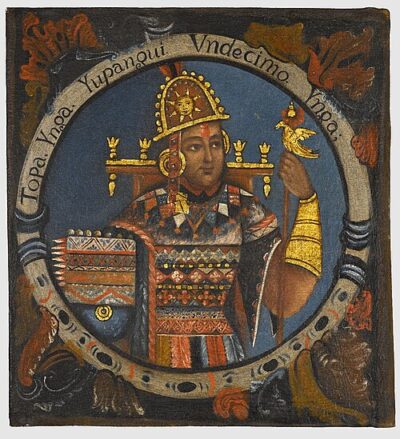 Túpac Inca Yupanqui (1471–1493)12th Inca Emperor
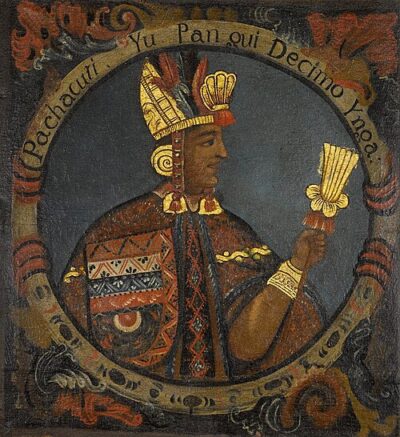 Pachacútec (1438–1471)11th Inca Emperor
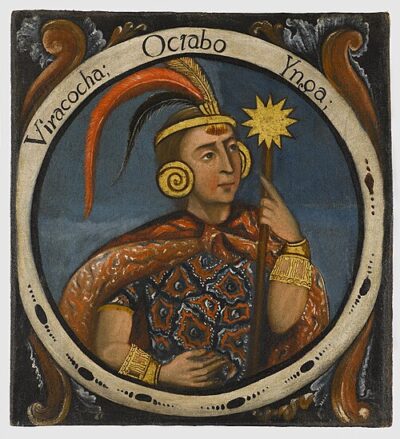 Wiracocha Inca (1400–1438)9th Inca Emperor
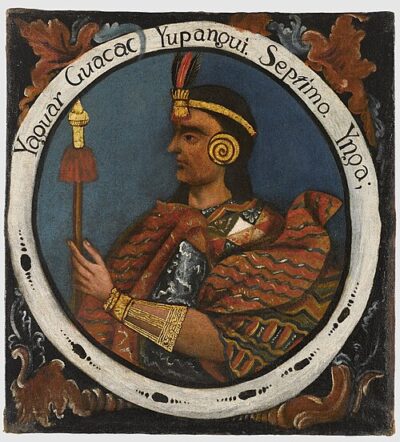 Yáhuar Huácac (1380–1400)Inca emperor
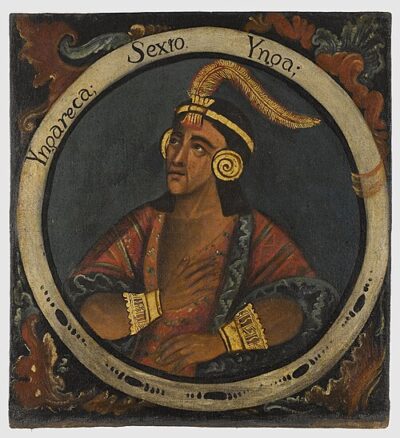 Inca Roca (1350–1380)7th Inca Emperor
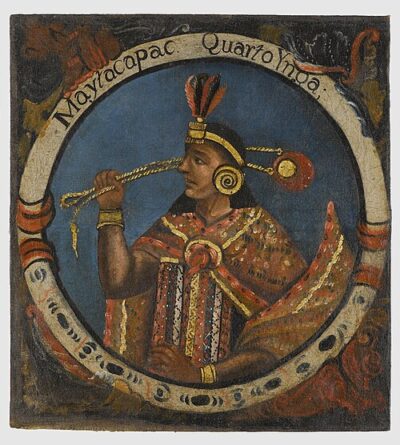 Mayta Cápac (1290–1320)4th ruler of the Kingdom of Cuzco (Inca Emperor)
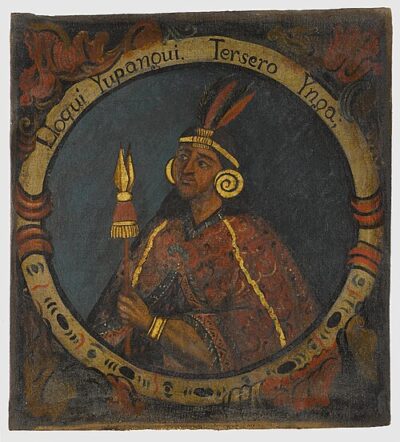 Lloque Yupanqui (1260–1290)3rd ruler of the Kingdom of Cuzco (Inca Emperor)
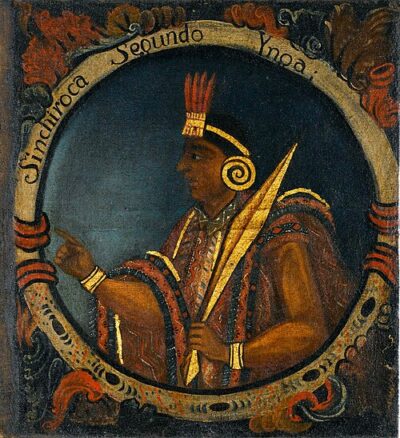 Sinchi Roca (1230–1260)2nd ruler of the Kingdom of Cuzco (Inca Emperor)
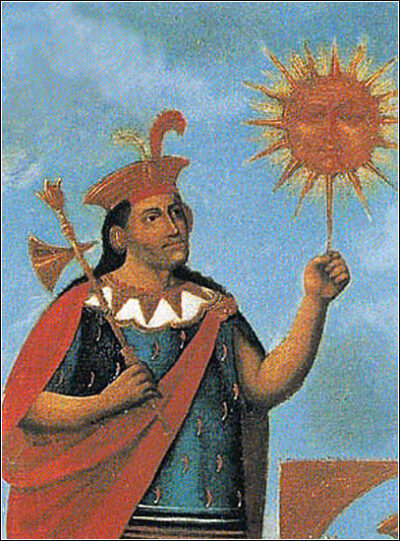 Manco Capac (1200–1230)1st ruler of the Kingdom of Cuzco (Inca Emperor)
- TTúpac Huallpa16th Inca Emperor under the crown of Spain