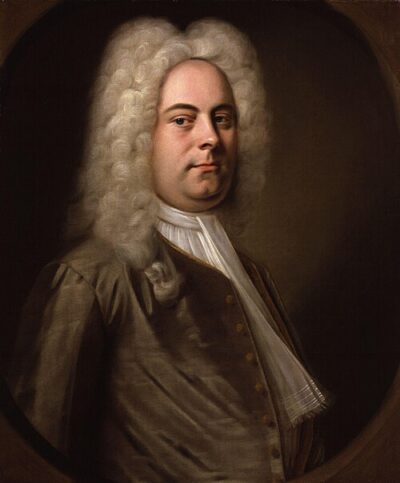
Serse
Serse is an opera by George Frideric Handel. It is based on Xerse.
- Released
- 18th century
- Genre
- opera seria
All 8 facts, and where they come from
Facts
8 facts · 0 confirmed by two sources · 0 cited · 8 from one source
Where this comes from
Papalocal keeps its own record. It started from these sources; what each one said is kept here as it was copied, so a change on their side never changes this page by itself. Tap one to read its version.
What Wikidata says · copied November 17, 2026 · revision 2320833659
- Described as
- opera by George Frideric Handel
- Other names
- Xerxes, Serse, HWV 40, HWV 40, Xerxes, HWV 40, Handel's Serse, Handel's Xerxes
- What it is
- dramatico-musical work
- Music by
- George Frideric Handel
- Genre
- opera seria; historical fiction
- Released
- 18th century
- Language
- Italian
- Based on
- Xerse
- Named after
- Xerxes I
- Wikipedias with a page
- 27
Wikidata item Q1069133 (wikidata.org/wiki/Q1069133), public domain (CC0). Copied 2026-11-17.
What Wikipedia says · copied November 17, 2026 · revision 1380966688
Serse (Italian pronunciation: [ˈsɛrse]; English title: Xerxes; HWV 40) is an opera seria in three acts by George Frideric Handel. It was first performed in London on 15 April 1738. The Italian libretto was adapted by an unknown hand from that by Silvio Stampiglia (1664–1725) for an earlier opera of the same name by Giovanni Bononcini in 1694. Stampiglia's libretto was itself based on one by Nicolò Minato (ca.1627–1698) that was set by Francesco Cavalli in 1654. The opera is set in Persia (modern-day Iran) about 470 BC and is very loosely based upon Xerxes I of Persia. Serse, originally sung by a mezzo-soprano castrato, is now usually performed by a female mezzo-soprano or countertenor.
The opening aria, "Ombra mai fu", sung by Xerxes to a plane tree (Platanus orientalis), is set to one of Handel's best-known melodies, and is often known as Handel's "Largo" (despite being marked "larghetto" in the score).
From the Wikipedia article “Serse” (en.wikipedia.org/wiki/Serse), by its contributors, under CC BY-SA 4.0 (creativecommons.org/licenses/by-sa/4.0/). Copied 2026-11-17; not changed.
Confirmed Two sources agree. Cited One source, and it names where it got it. One source One source, without a reference of its own. Sources disagree The sources disagree. We show the best-supported value and keep theirs below.
Picture: Wikimedia Commons: Georg Friedrich Händel - Serse - title page of the libretto - London 1738.png · See Commons file page