
Social Democratic Party of Austria
Social Democratic Party of Austria is a social-democratic political party in Austria. It was founded in 1888 by Victor Adler. Its headquarters are in Vienna. It stands for social democracy and austromarxism.
- Country
- Austria
- Founded
- December 30, 1888
- Ideology
- social democracy
- Chair
- Andreas Babler (2023–)
All 10 facts, and where they come from
Facts
10 facts · 0 confirmed by two sources · 2 cited · 8 from one source
Where this comes from
Papalocal keeps its own record. It started from these sources; what each one said is kept here as it was copied, so a change on their side never changes this page by itself. Tap one to read its version.
What Wikidata says · copied November 16, 2026 · revision 2557220516
- Described as
- social-democratic political party in Austria
- Other names
- SPÖ, Sozialdemokratische Partei Österreichs
- What it is
- political party
- Founded
- December 30, 1888
- Founded by
- Victor Adler · 1 reference
- Headquarters
- Vienna
- Country
- Austria
- Chair
- Andreas Babler (2023–) · 1 reference; Pamela Rendi-Wagner (2018–2023) · 1 reference
- Ideology
- social democracy; austromarxism · 1 reference
- Official website
- https://www.spoe.at
- Wikipedias with a page
- 60
Wikidata item Q179111 (wikidata.org/wiki/Q179111), public domain (CC0). Copied 2026-11-16.
What Wikipedia says · copied November 16, 2026 · revision 1383551732
The Social Democratic Party of Austria (German: Sozialdemokratische Partei Österreichs [soˈtsi̯aːldemoˌkraːtɪʃɛ parˌtaɪ ˈøːstɐraɪçs], SPÖ) is a social democratic political party in Austria. Founded in 1889 as the Social Democratic Workers' Party of Austria (German: Sozialdemokratische Arbeiterpartei Österreichs, SDAPÖ) and later known as the Socialist Party of Austria (German: Sozialistische Partei Österreichs) from 1945 until 1991, the party is the oldest extant political party in Austria. Along with the Austrian People's Party (ÖVP), it is one of the country's two traditional major parties. It is positioned on the centre-left on the political spectrum.
Since June 2023, the party has been led by Andreas Babler. It is currently the third largest of five parties in the National Council, having won 41 of 183 seats and 21.1% of the popular vote in the 2024 Austrian legislative election. It holds seats in the legislatures of all nine states; of these, it is the largest party in three (Burgenland, Carinthia, and Vienna.) The SPÖ is supportive of Austria's membership in the European Union, and it is a member of the Progressive Alliance and Party of European Socialists. It sits with the Progressive Alliance of Socialists and Democrats in the European Parliament; of Austria's 19 MEPs, five are members of the SPÖ. The party has close ties to the Austrian Trade Union Federation (ÖGB) and the Austrian Chamber of Labour (AK).
The SDAPÖ was the second largest party in the Imperial Council of the Austro-Hungarian Empire from the 1890s through 1910s. After the First World War, it briefly governed the First Austrian Republic, but thereafter returned to opposition. The party was banned in 1934 following the Austrian Civil War, and was suppressed throughout Austrofascism and the Nazi period. The party was refounded as the Socialist Party of Austria in 1945 and governed as a junior partner of the ÖVP until 1966. In 1970, the SPÖ became the largest party for the first time in post-war history, and Bruno Kreisky became Chancellor, winning three consecutive majorities (1971, 1975, and 1979). From 1987 to 2000 the SPÖ led a grand coalition with the ÖVP before returning to opposition for the first time in 30 years. The party governed again from 2007 to 2017. From 2017 to 2025, the SPÖ was the primary opposition to the ÖVP governments of Sebastian Kurz, Alexander Schallenberg, and Karl Nehammer. Since 2025, the SPÖ has governed as a junior partner of the ÖVP, alongside the NEOS.
From the Wikipedia article “Social Democratic Party of Austria” (en.wikipedia.org/wiki/Social_Democratic_Party_of_Austria), by its contributors, under CC BY-SA 4.0 (creativecommons.org/licenses/by-sa/4.0/). Copied 2026-11-16; not changed.
Confirmed Two sources agree. Cited One source, and it names where it got it. One source One source, without a reference of its own. Sources disagree The sources disagree. We show the best-supported value and keep theirs below.
People connected 35
Party members 35
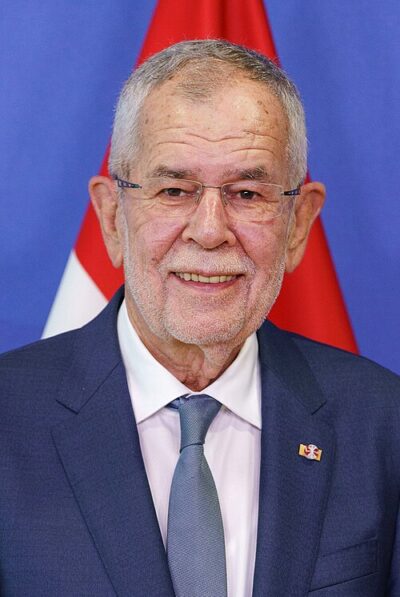 Alexander Van der BellenPresident of Austria since 2017 (born 1944)
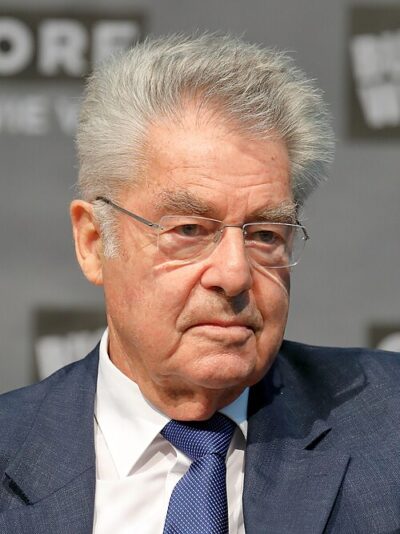 Heinz FischerAustrian politician (SPÖ), 8th president of Austria (born 1938)
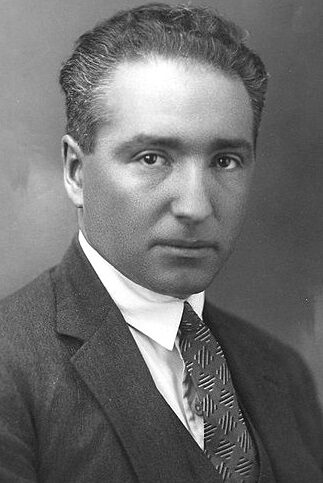 Wilhelm ReichAustrian-American psychiatrist, psychoanalyst, sex educator and sociologist (1897–1957)
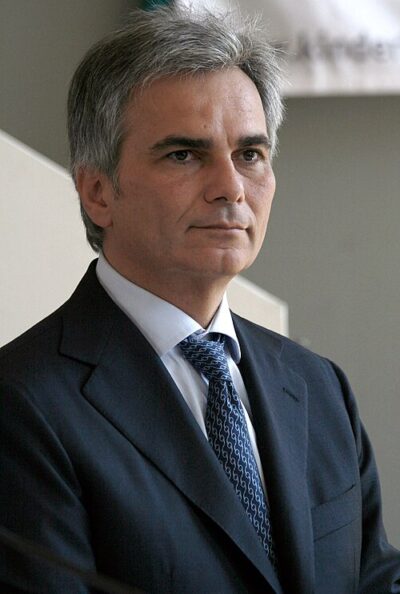 Werner FaymannAustrian politician who was Chancellor of Austria and chairman of the Social Democratic Party of Austria
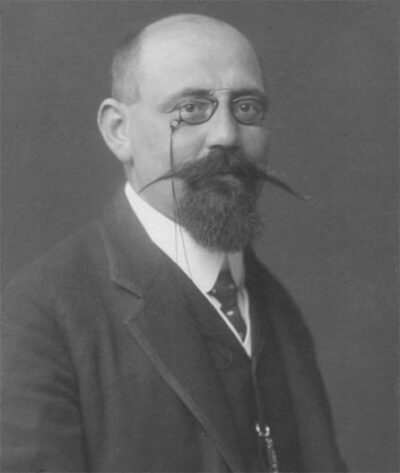 Karl Rennerfirst President of Austria (1870–1950)
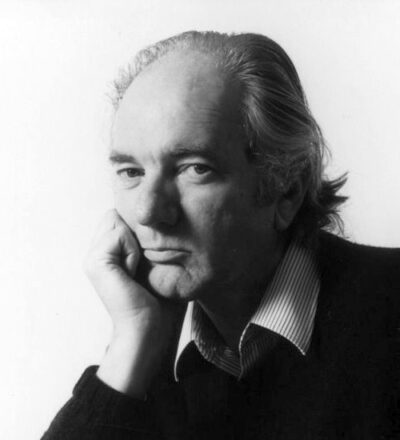 Thomas BernhardAustrian playwright and novelist (1931–1989)
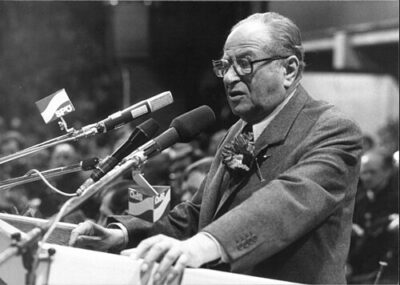 Bruno KreiskyAustrian diplomat and chancellor (1911–1990)
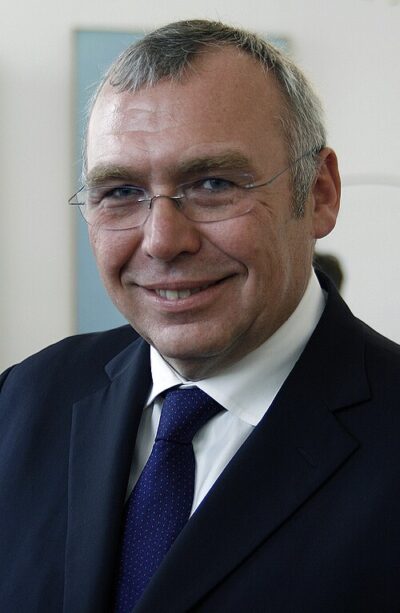 Alfred GusenbauerAustrian chancellor
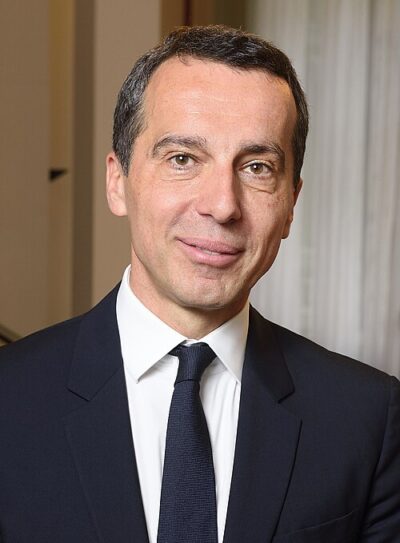 Christian KernAustrian politician and businessman
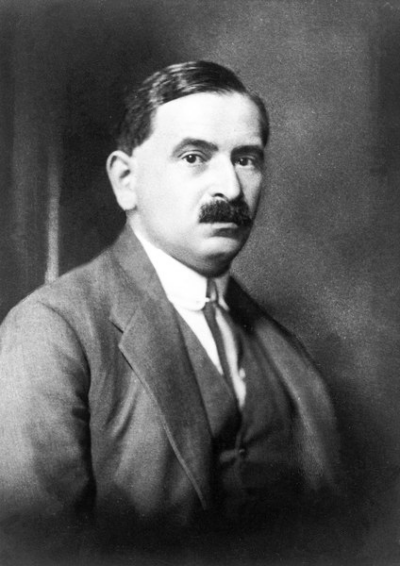 Otto BauerAustrian Social Democrat (1881-1938)
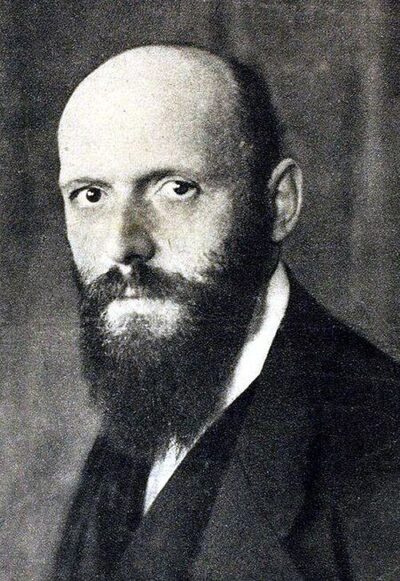 Otto NeurathAustrian economist, philosopher and sociologist (1882–1945)
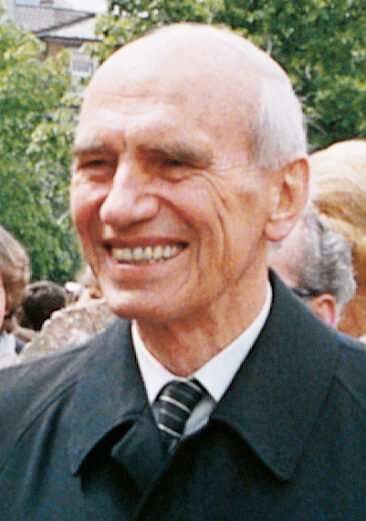 Rudolf KirchschlägerAustrian diplomat, politician, judge, and eighth President of Austria (1915–2000)
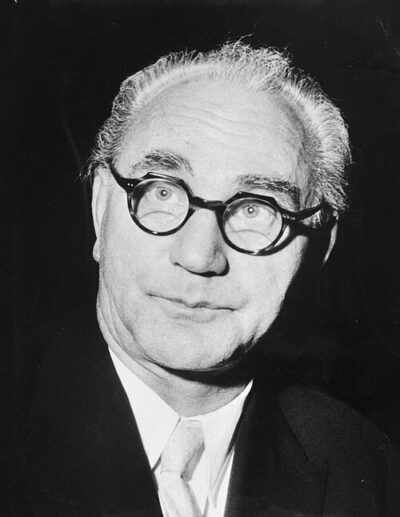 Franz Jonasseventh President of Austria (1899–1974)
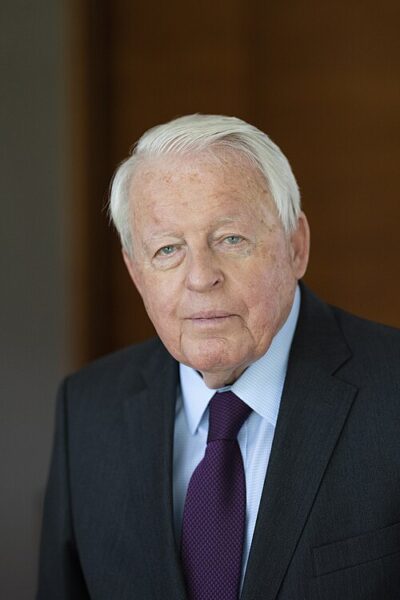 Franz VranitzkyAustrian chancellor
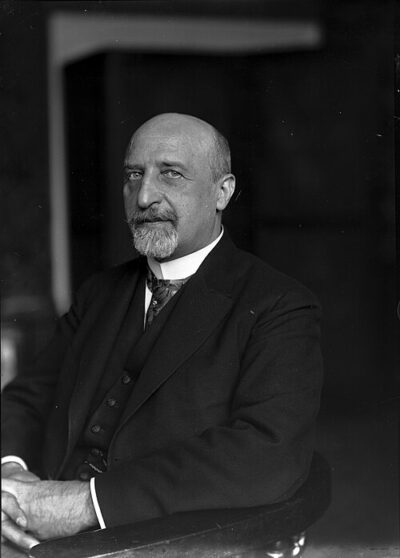 Karl SeitzPresident of Austria (1869-1950)
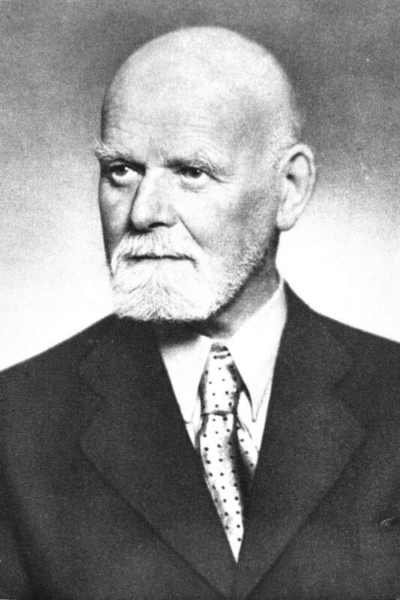 Theodor KörnerSoldier, mayor of Vienna, federal president of Austria (1873-1957)
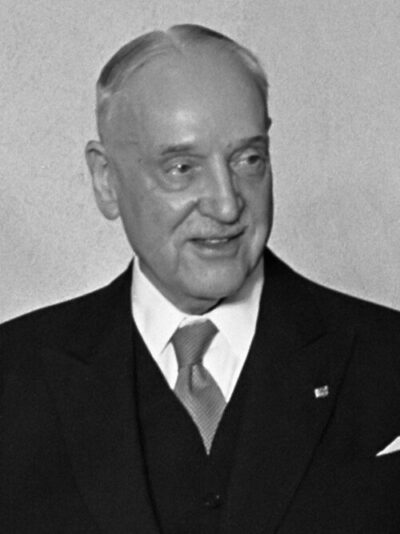 Adolf SchärfAustrian politician, President of Austria 1957–1965 (1890–1965)
- BBruno BettelheimAustrian-American child psychologist and writer (1903–1990)
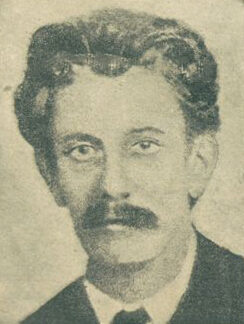 Friedrich AdlerAustrian politician (1879-1960)
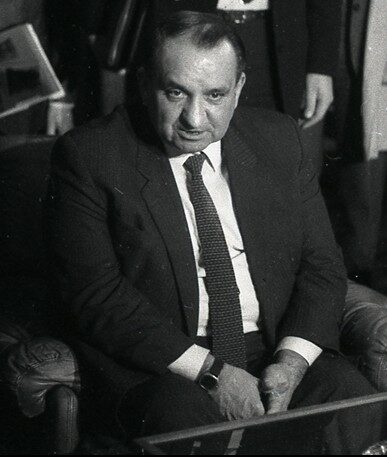 Fred SinowatzAustrian historian and chancellor (1929-2008)
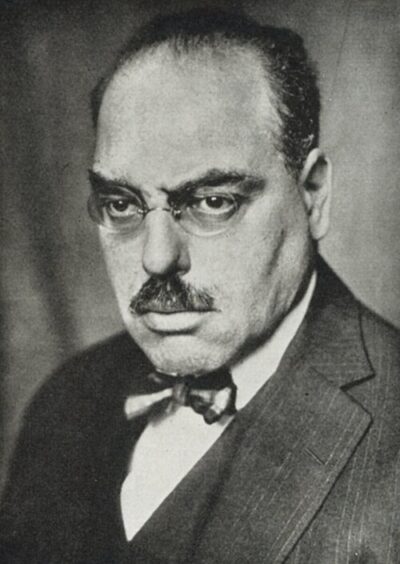 Rudolf HilferdingGerman politician (1877-1941)
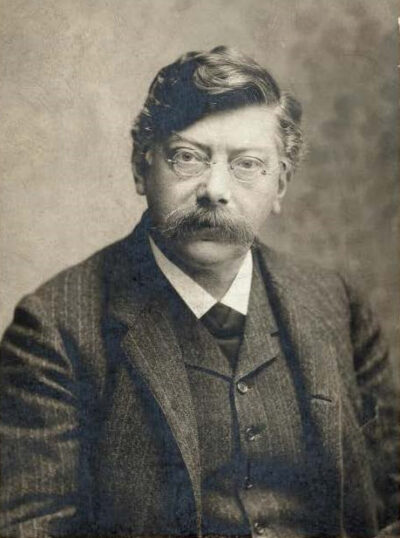 Victor Adlerforeign minister of Austria, editor (1852–1918)
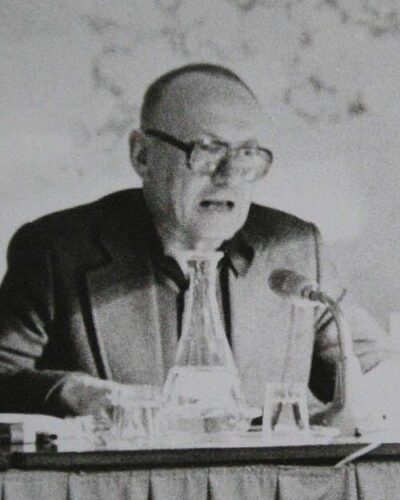 Ernst JandlAustrian poet, dramatic and writer (1925–2000)
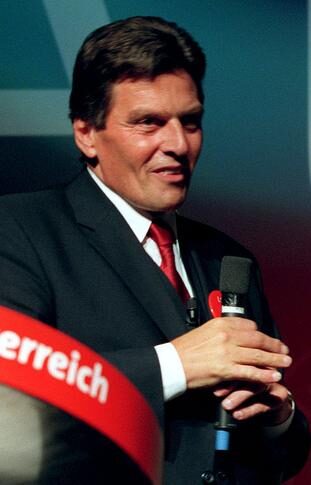 Viktor KlimaAustrian politician and businessman (born 1947)
and 11 more
