
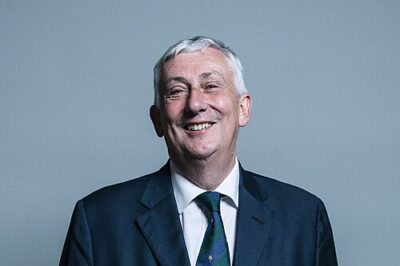
Speaker of the House of Commons
The Speaker of the House of Commons is a presiding officer of the United Kingdom's lower chamber of Parliament. It was created in 1377.
- Office of
- United Kingdom
- Country
- United Kingdom
- Created
- 1377
All 6 facts, and where they come from
Facts
6 facts · 0 confirmed by two sources · 0 cited · 6 from one source
Where this comes from
Papalocal keeps its own record. It started from these sources; what each one said is kept here as it was copied, so a change on their side never changes this page by itself. Tap one to read its version.
What Wikidata says · copied November 17, 2026 · revision 2569106092
- Described as
- presiding officer of the United Kingdom's lower chamber of Parliament
- Other names
- Speaker of the House, Mr Speaker, The Right Honourable Speaker of the House
- What it is
- elective office; position
- Created
- 1377
- Country
- United Kingdom
- Office of
- United Kingdom
- Official website
- http://www.parliament.uk/business/commons/the-speaker/
- Wikipedias with a page
- 22
Wikidata item Q464103 (wikidata.org/wiki/Q464103), public domain (CC0). Copied 2026-11-17.
What Wikipedia says · copied November 17, 2026 · revision 1385849571
The Speaker of the House of Commons is the presiding officer of the House of Commons, the lower house and primary chamber of the Parliament of the United Kingdom. The current speaker, Lindsay Hoyle, was elected Speaker on November 4th 2019, following the retirement of John Bercow. Hoyle began his first full parliamentary term in the role on December 17th 2019, having been unanimously re-elected after the 2019 general election.
The speaker presides over the House's debates, determining which members may speak and which amendments are selected for consideration. The speaker is also responsible for maintaining order and decorum in the House during debate and during its normal operations. As a result, the speaker has full, supreme authority to impose the penalties that they deem just and that they deem fair on members who break the rules of the House. By convention, the Speaker is strictly non-partisan; accordingly, a Speaker is expected to renounce all affiliation with their former political parties when taking office and afterwards.
The speaker does not take part in debate or vote (except to break ties; and even then, the convention is that the speaker casts the tie-breaking vote according to Speaker Denison's rule which results either in further debate or a vote for the status quo). Aside from duties relating to presiding over the House, the speaker also performs administrative and procedural functions. In addition, they remain a constituency Member of Parliament (MP), are part of the Privy Council, and represent the Commons to the monarch, the House of Lords and other authorities. The official residence of the Speaker is the Speaker's House at the Palace of Westminster.
From the Wikipedia article “Speaker of the House of Commons (United Kingdom)” (en.wikipedia.org/wiki/Speaker_of_the_House_of_Commons_(United_Kingdom)), by its contributors, under CC BY-SA 4.0 (creativecommons.org/licenses/by-sa/4.0/). Copied 2026-11-17; not changed.
Confirmed Two sources agree. Cited One source, and it names where it got it. One source One source, without a reference of its own. Sources disagree The sources disagree. We show the best-supported value and keep theirs below.
Picture: Chris McAndrew, via Wikimedia Commons · CC BY 3.0
People connected 7
Held this office
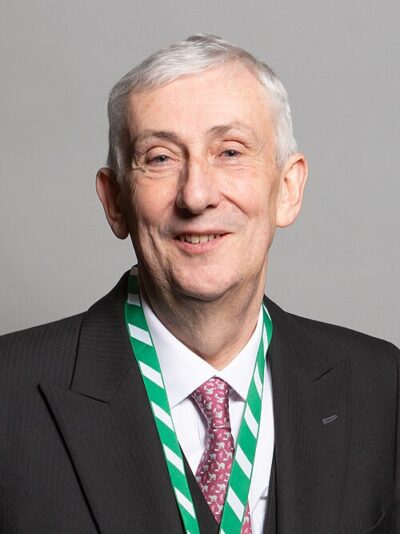 Lindsay Hoyle (2019–)Speaker of the House of Commons (born 1957)
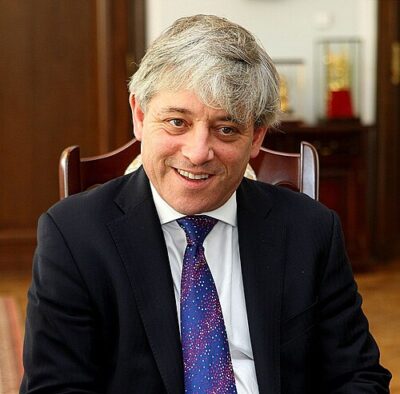 John Bercow (2009–2019)Speaker of the House of Commons (born 1963)
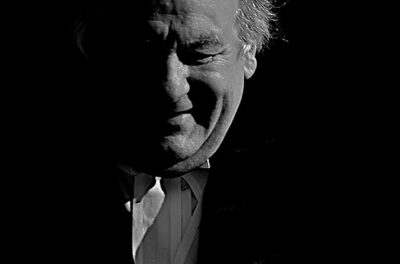 Michael Martin (2000–2009)British politician (1945–2018)
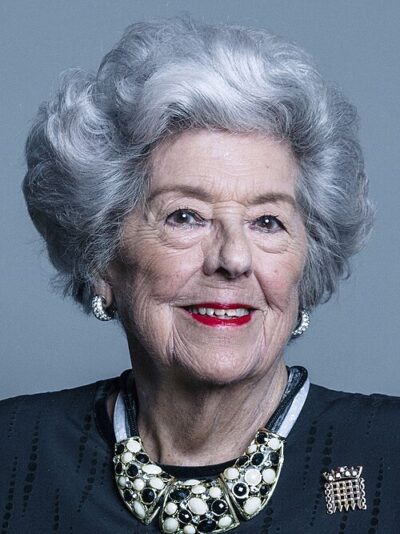 Betty Boothroyd (1992–2000)British politician (1929–2023)
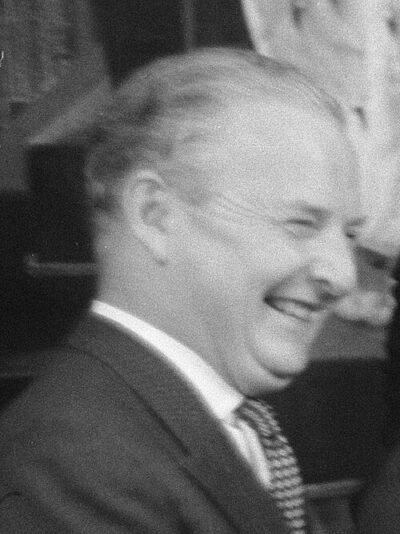 Selwyn Lloyd (1971–1976)politician (1904-1978)
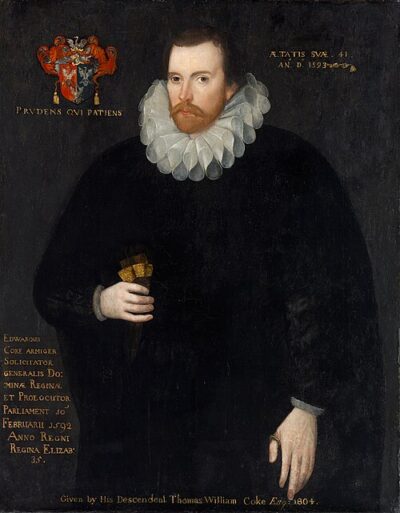 Edward Coke (1592–1593)English lawyer and judge; (c.1552-1634)
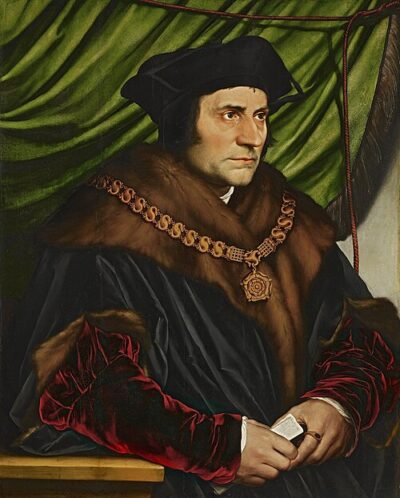 Thomas More (1523)English statesman, lawyer and philosopher (1478–1535)
