Supreme Soviet of the Soviet Union
The Supreme Soviet of the Soviet Union is the highest legislative body in the Soviet Union. It was founded in 1938. Its headquarters are in Moscow.
- Founded
- January 12, 1938
- Headquarters
- Moscow
- Country
- Soviet Union
All 8 facts, and where they come from
Facts
8 facts · 0 confirmed by two sources · 0 cited · 8 from one source
Where this comes from
Papalocal keeps its own record. It started from these sources; what each one said is kept here as it was copied, so a change on their side never changes this page by itself. Tap one to read its version.
What Wikidata says · copied November 17, 2026 · revision 2558039940
- Described as
- highest legislative body in the Soviet Union
- Other names
- Soviet Union. Verkhovnyĭ Sovet
- What it is
- bicameral legislature · 1 reference
- Comes after
- Congress of Soviets of the Soviet Union
- Followed by
- Congress of People's Deputies of the Soviet Union
- Founded
- January 12, 1938
- Ended
- December 26, 1991
- Headquarters
- Moscow · 1 reference
- Country
- Soviet Union
- Chair
- Chairman of the Supreme Soviet of the USSR (1989–)
- Wikipedias with a page
- 55
Wikidata item Q326465 (wikidata.org/wiki/Q326465), public domain (CC0). Copied 2026-11-17.
What Wikipedia says · copied November 17, 2026 · revision 1385833662
The Supreme Soviet of the Union of Soviet Socialist Republics (SSUSSR) was the highest organ of state authority of the Soviet Union from 1936 to 1991. Based on the principle of unified power, it was the only branch of government in the Soviet state, and headed the unified state apparatus.
Prior to 1936, the Congress of Soviets was the highest organ of state authority. During 1989–1991 a similar, but not identical organ acted as the highest organ of state authority. The Supreme Soviet appointed the Council of Ministers, the Supreme Court, and the Procurator General of the Soviet Union as well as elected the Presidium which served as the Soviet Union's collective head of state under both the 1936 and 1977 Soviet Constitutions.
By the Soviet constitutions of 1936 and 1977, the Supreme Soviet was defined as the highest organ of state power in the Soviet Union and was imbued with great lawmaking powers. In practice, however, it was a rubber stamp parliament which did little more than ratify decisions already made by the Soviet Union's executive organs and the Communist Party of the Soviet Union (CPSU) – always by unanimous consent – and listen to the General Secretary's speeches. This was in accordance with the Stalinist CPSU's principle of democratic centralism and became the norm for other Communist legislatures.
From the Wikipedia article “Supreme Soviet of the Soviet Union” (en.wikipedia.org/wiki/Supreme_Soviet_of_the_Soviet_Union), by its contributors, under CC BY-SA 4.0 (creativecommons.org/licenses/by-sa/4.0/). Copied 2026-11-17; not changed.
Confirmed Two sources agree. Cited One source, and it names where it got it. One source One source, without a reference of its own. Sources disagree The sources disagree. We show the best-supported value and keep theirs below.
People connected 5
Worked here
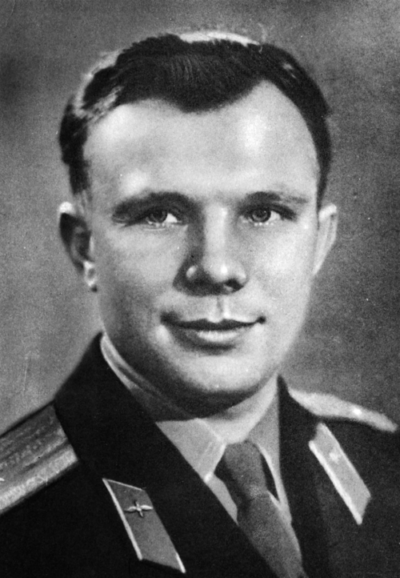 Yuri GagarinSoviet pilot and cosmonaut, first human in space (1934–1968)
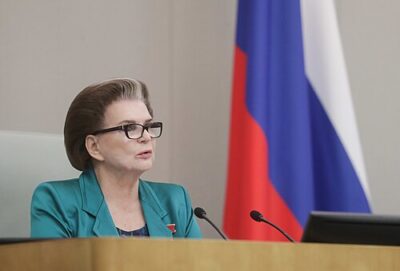 Valentina TereshkovaRussian cosmonaut and pilot, first woman to have flown in space (born 1937)
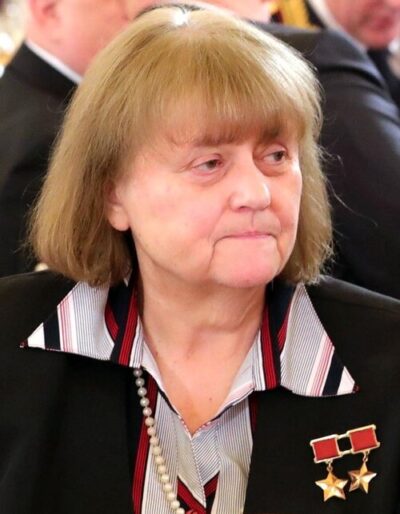 Svetlana SavitskayaSoviet cosmonaut
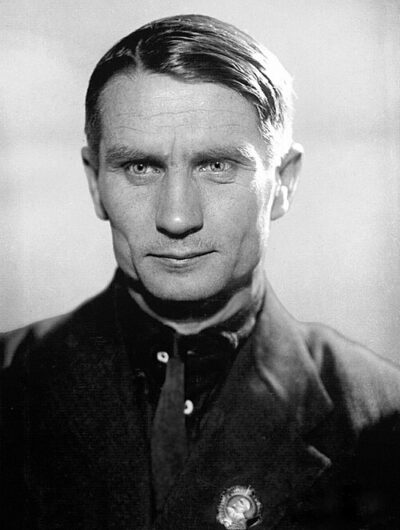 Trofim Lysenko (1940)Soviet agronomist and biologist (1898-1976)