
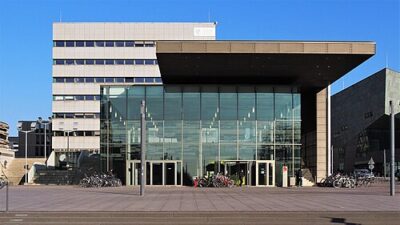
Technical University of Darmstadt
The Technical University of Darmstadt is a German university (1877-). It has 5,173 employees (2023). 24,969 students study there (2021).
- Located in
- Darmstadt
- Country
- Germany
- Founded
- 1877
- Students
- 24,969 (2021)
- What it is
- public university
All 7 facts, and where they come from
Facts
7 facts · 0 confirmed by two sources · 2 cited · 5 from one source
Where this comes from
Papalocal keeps its own record. It started from these sources; what each one said is kept here as it was copied, so a change on their side never changes this page by itself. Tap one to read its version.
What Wikidata says · copied November 16, 2026 · revision 2568622821
- Described as
- German university (1877-)
- Other names
- TH Darmstadt, Technical University Darmstadt, Darmstadt University of Technology, University of Darmstadt, TU Darmstadt, Technische Universität Darmstadt, tu-darmstadt.de, abans: Gewerbeschule Darmstadt
- What it is
- public university
- Founded
- 1877
- Located in
- Darmstadt
- Country
- Germany
- Employees
- 5,173 (2023) · 1 reference
- Students
- 25,840 (2017) · 2 references
- Official website
- https://www.tu-darmstadt.de/
- Wikipedias with a page
- 41
Wikidata item Q310695 (wikidata.org/wiki/Q310695), public domain (CC0). Copied 2026-11-16.
What Wikipedia says · copied November 16, 2026 · revision 1378906105
The Technische Universität Darmstadt (official English name Technical University of Darmstadt, sometimes also referred to as Darmstadt University of Technology), commonly known as TU Darmstadt, is a public research university in the city of Darmstadt, Germany. It was founded in 1877 and received the right to award doctorates in 1899. In 1882, it was the first university in the world to set up a chair in electrical engineering. In 1883, the university founded the first faculty of electrical engineering and introduced the world's first degree course in electrical engineering. In 2004, it became the first German university to be declared as an autonomous university. TU Darmstadt has assumed a pioneering role in Germany. Computer science, electrical engineering, artificial intelligence, mechatronics, business informatics, political science and many more courses were introduced as scientific disciplines in Germany by Darmstadt faculty.
The Johannes Gutenberg University Mainz, the Goethe University Frankfurt and the Technische Universität Darmstadt together form the Rhine-Main-Universities (RMU). TU Darmstadt is a member of TU9, a network of the most notable German Technische Universitäten (universities of technology) and of the EU-supported European University Alliance Unite! (University Network for Innovation, Technology and Engineering).
TU Darmstadt is a location of the German Research Center for Artificial Intelligence and seat of the Hessian Center for Artificial Intelligence. TU Darmstadt is a member of the Darmstadt-based ATHENE-Center, the largest research institute for applied cybersecurity in Europe. The university is located in the IT cluster Rhine-Main-Neckar, the "Silicon Valley of Germany".
Graduates of TU Darmstadt include Nobel Prize winners, entrepreneurs, managers, billionaires and politicians. As of September 2019, the university is associated with 4 Nobel laureates and 3 Wolf Prize in Physics laureates. For several years, TU Darmstadt has been one of the universities with the most top managers in the German economy. The university is currently among the top 3. The graduates include Oliver Zipse, Peter Grünberg, Chaim Weizmann and John Tu.
From the Wikipedia article “Technische Universität Darmstadt” (en.wikipedia.org/wiki/Technische_Universität_Darmstadt), by its contributors, under CC BY-SA 4.0 (creativecommons.org/licenses/by-sa/4.0/). Copied 2026-11-16; not changed.
Confirmed Two sources agree. Cited One source, and it names where it got it. One source One source, without a reference of its own. Sources disagree The sources disagree. We show the best-supported value and keep theirs below.
Picture: Grffine, via Wikimedia Commons · CC0
People connected 19
Studied here
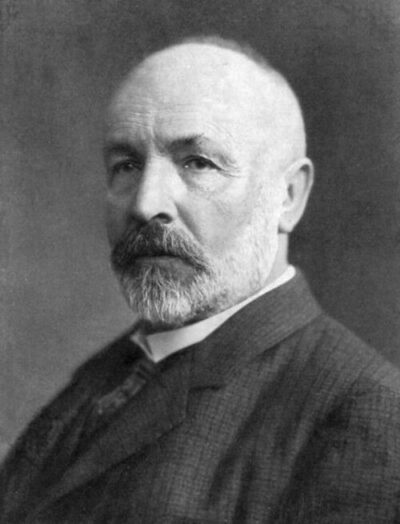 Georg Cantor (1860–1862)German mathematician, inventor of set theory (1845–1918)
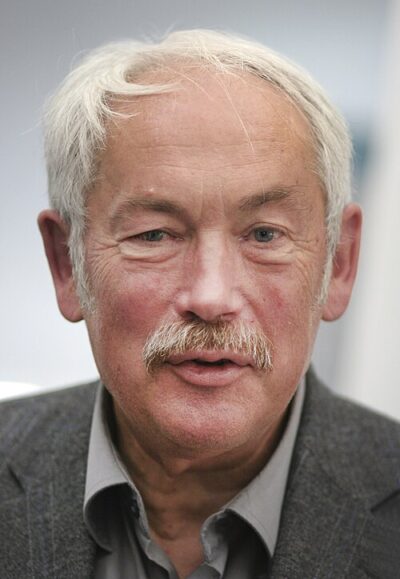 Peter GrünbergGerman physicist, and Nobel Prize in Physics laureate (1939–2018)
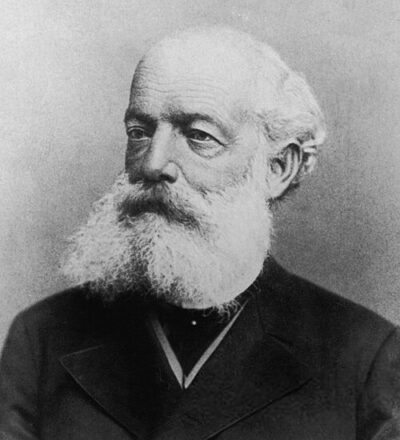 August KekuléGerman organic chemist (1829–1896)
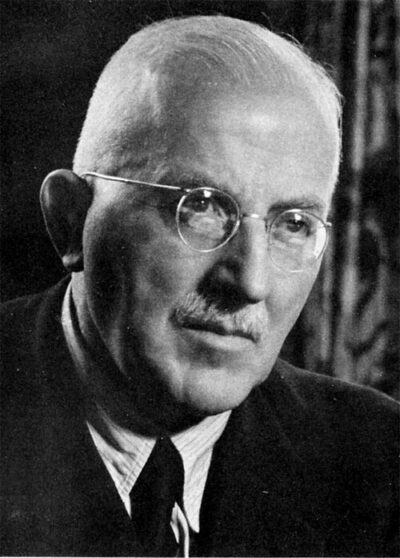 Hermann StaudingerGerman chemist, winner of the 1953 Nobel Prize in Chemistry (1881–1965)
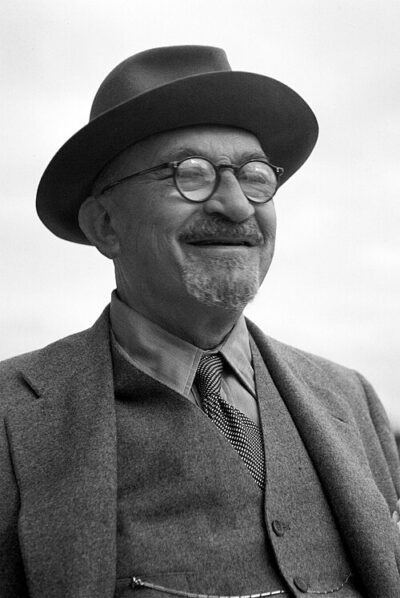 Chaim Weizmann (1892–)Israeli statesman and British chemist (1874–1952)
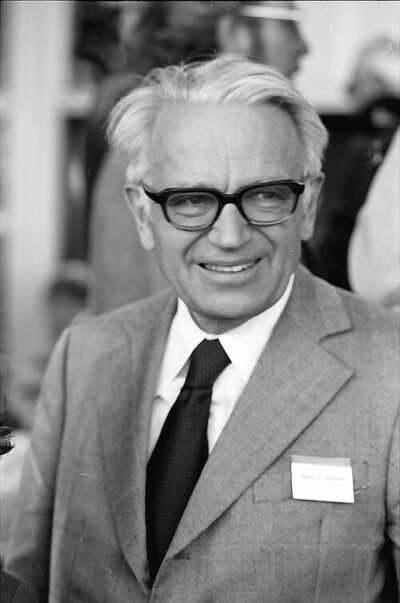 Gerhard HerzbergGerman-Canadian physicist and physical chemist (1904-1999)
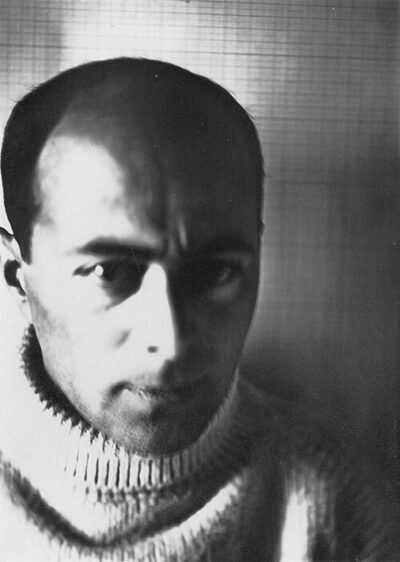 El LissitzkySoviet artist, designer, photographer, teacher, typographer and architect (1890–1941)
 Rainer ZitelmannGerman historian, author, management consultant and real estate expert
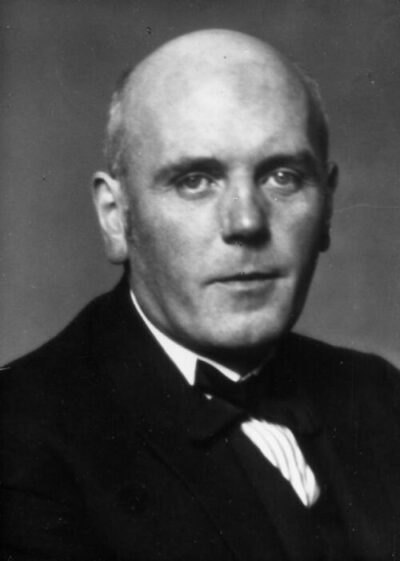 Paul TroostGerman architect (1878–1934)
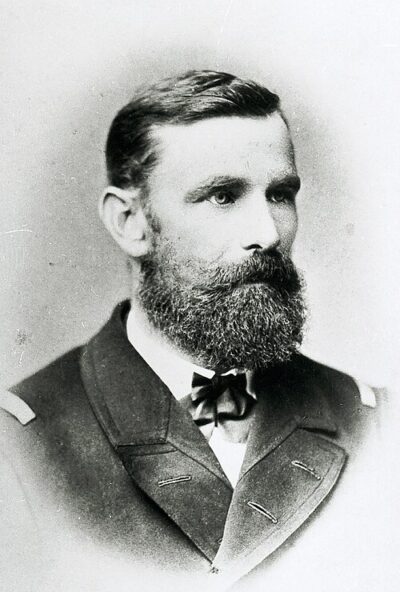 Carl Georg Ludwig Wilhelm WeyprechtAustrian explorer (1838-1881)
 Mikhail Dolivo-Dobrovolskyengineer (1862–1919)
 Fritz von OpelGerman engineer (1899–1971)
 Anne SpiegelGerman politician and Federal Minister of Family Affairs
Worked here
- Gerhard HerzbergGerman-Canadian physicist and physical chemist (1904-1999)
- GGünter BehnischGerman architect, submarine commander in World War II (1922–2010)
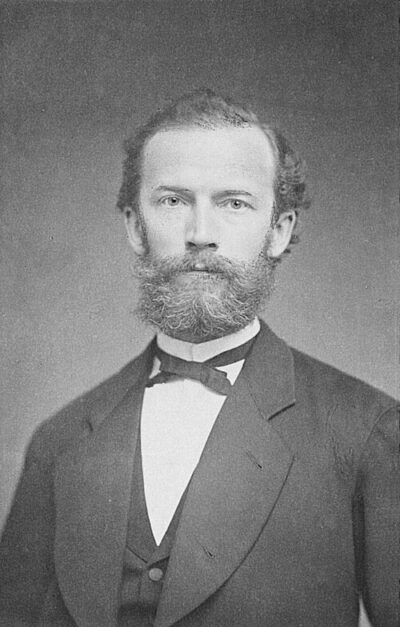 Friedrich Kohlrausch (1871–)German physicist (1840-1910)
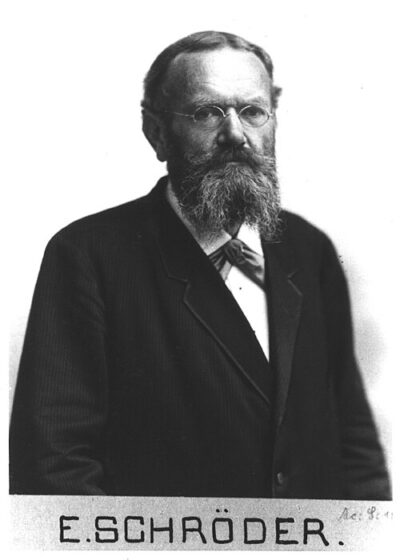 Ernst Schröder (1874–1876)German mathematician (1841-1902)
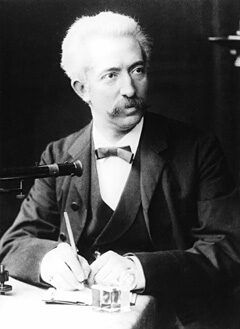 Friedrich Ernst Dorn (1881–1886)German physicist (1848–1916)
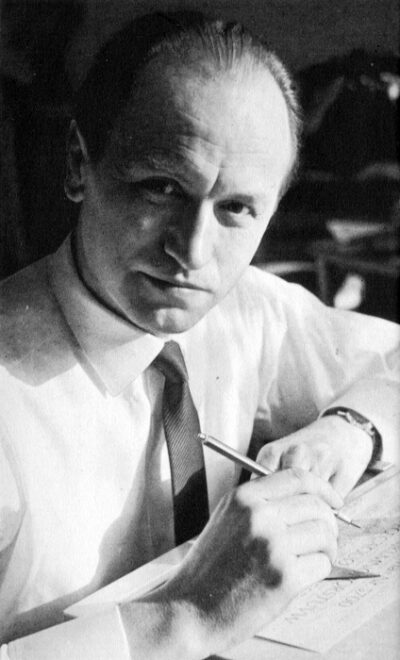 Hermann ZapfGerman type-designer, calligrapher, author and artist (1918–2015)
 Axel Harnack (1876–1877)Baltic German mathematician (1851–1888)
