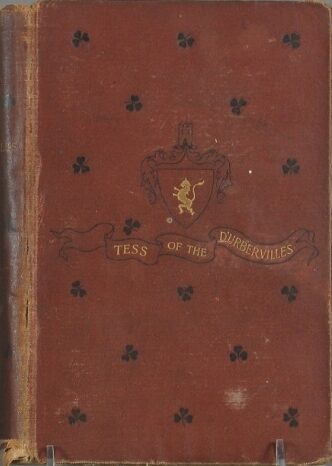
Tess of the d'Urbervilles
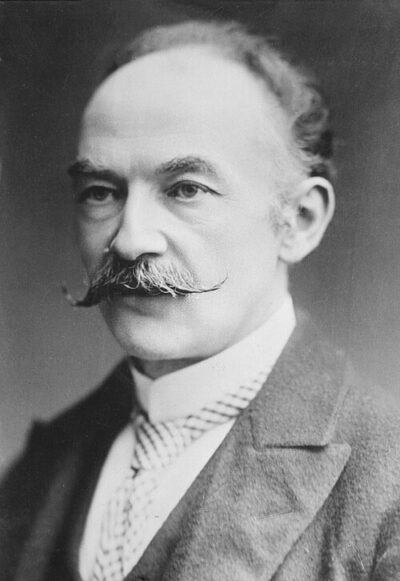
Tess of the d'Urbervilles is a 1891 novel by Thomas Hardy.
- Published
- 1891
- Written by
- Thomas Hardy
- Genre
- tragedy
- Country of origin
- United Kingdom
All 9 facts, and where they come from
Facts
9 facts · 0 confirmed by two sources · 0 cited · 9 from one source
Where this comes from
Papalocal keeps its own record. It started from these sources; what each one said is kept here as it was copied, so a change on their side never changes this page by itself. Tap one to read its version.
What Wikidata says · copied November 17, 2026 · revision 2558970349
- Described as
- 1891 novel by Thomas Hardy
- Other names
- Tess of the d'Urbervilles: A Pure Woman
- What it is
- literary work
- Written by
- Thomas Hardy
- Genre
- tragedy; social novel
- Published
- 1891
- Language
- English
- Country of origin
- United Kingdom
- Comes after
- Wessex Tales · 1 reference
- Followed by
- Jude the Obscure
- Wikipedias with a page
- 37
Wikidata item Q649409 (wikidata.org/wiki/Q649409), public domain (CC0). Copied 2026-11-17.
What Wikipedia says · copied November 17, 2026 · revision 1384222489
Tess of the d'Urbervilles: A Pure Woman is the twelfth published novel by English author Thomas Hardy. It initially appeared in a censored and serialised version, published by the British illustrated newspaper The Graphic in 1891, then in book form in three volumes in 1891, and as a single volume in 1892. Although now considered a major novel of the 19th century, Tess of the d'Urbervilles received mixed reviews when it first appeared, in part because it challenged the morals of late Victorian England.
The novel is set in an impoverished rural England, Thomas Hardy's fictional Wessex.
From the Wikipedia article “Tess of the d'Urbervilles” (en.wikipedia.org/wiki/Tess_of_the_d'Urbervilles), by its contributors, under CC BY-SA 4.0 (creativecommons.org/licenses/by-sa/4.0/). Copied 2026-11-17; not changed.
Confirmed Two sources agree. Cited One source, and it names where it got it. One source One source, without a reference of its own. Sources disagree The sources disagree. We show the best-supported value and keep theirs below.
Picture: Wikimedia Commons · Public domain