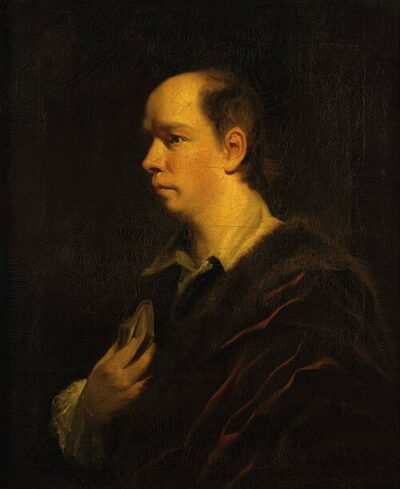
The Vicar of Wakefield
The Vicar of Wakefield is a novel by Oliver Goldsmith. It came out in 1766.
- Published
- 1766
- Written by
- Oliver Goldsmith
- Genre
- sentimental novel
- Country of origin
- Kingdom of Great Britain
All 6 facts, and where they come from
Facts
6 facts · 0 confirmed by two sources · 0 cited · 6 from one source
Where this comes from
Papalocal keeps its own record. It started from these sources; what each one said is kept here as it was copied, so a change on their side never changes this page by itself. Tap one to read its version.
What Wikidata says · copied November 17, 2026 · revision 2538259066
- Described as
- novel by Oliver Goldsmith
- What it is
- literary work
- Written by
- Oliver Goldsmith
- Genre
- sentimental novel
- Published
- 1766
- Language
- English
- Country of origin
- Kingdom of Great Britain
- Wikipedias with a page
- 17
Wikidata item Q1196205 (wikidata.org/wiki/Q1196205), public domain (CC0). Copied 2026-11-17.
What Wikipedia says · copied November 17, 2026 · revision 1384230426
The Vicar of Wakefield: A Tale, Supposed to Be Written by Himself is a 1766 sentimental novel by Anglo-Irish writer Oliver Goldsmith (1728–1774). It was written from 1761 to 1762 and published in London in 1766. It was one of the most popular and widely read 18th-century novels among the British citizenry, and remains a classic of English literature. The work also saw over 200 editions being printed during the same period and was considered a staple of English reading novels.
The novel follows the Primrose family's journey from wealth, joy, and prosperity to hardship, ruin, and social disgrace, ultimately culminating in their return to happiness and good social standing. Through a series of unexpected events and incidents, as well as the arrival of Sir William Thornhill, the family slowly overcome their difficulties and regain their former status. Goldsmith uses a variety of methods, including satire and comedy, to expose the moral failings, indifference, and hypocrisy of the upper classes, contrasting them with the Primrose family's plain but virtuous life.
The book consists of 32 chapters divided into three parts, and Samuel Johnson played a major role in its publication. Critics generally regarded the work as a fictitious memoir, narrated from the perspective of the Vicar. While it is categorised as a sentimental novel, it also has features of a satire, and has been used by scholars to explain the problem of evil. The work was noted for addressing the prevailing social and rural aspects of the time. It also idealised the portrayal of village life and the inherent goodness of its characters, particularly Charles Primrose and his family, while emphasising themes of faith, virtue, and resilience. Primrose, in particular, embodies Christian values and steadfastly maintains his integrity despite facing financial ruin, imprisonment, and the moral failings of his children.
The novel is Goldsmith’s best-known work, and has been adapted for drama and opera. It influenced scores of later English writers during the Victorian era, and is also studied in literary circles for its language and idyllic setting of British citizenry life during the 18th century. The characters in the work find mention in some of the best-known novels of the 19th century, including A Tale of Two Cities, Emma, Little Women, Middlemarch, and Frankenstein. Critics have often made comparisons between the themes of the novel and the Book of Job, particularly in philosophical terms. The work served as a notable predecessor to Gothic and Romantic literature as well, due to it challenging the ideals of rationalism.
From the Wikipedia article “The Vicar of Wakefield” (en.wikipedia.org/wiki/The_Vicar_of_Wakefield), by its contributors, under CC BY-SA 4.0 (creativecommons.org/licenses/by-sa/4.0/). Copied 2026-11-17; not changed.
Confirmed Two sources agree. Cited One source, and it names where it got it. One source One source, without a reference of its own. Sources disagree The sources disagree. We show the best-supported value and keep theirs below.
Picture: Wikimedia Commons: Vicar of Wakefield cover.jpg · See Commons file page