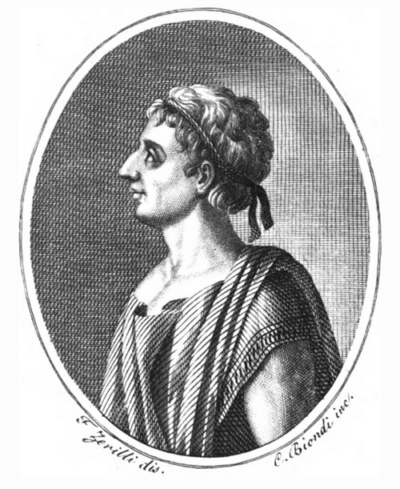
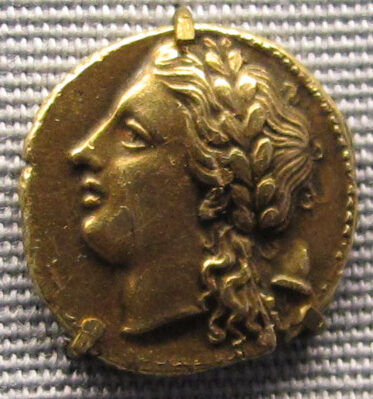
tyrant
Tyrant is an absolute ruler unrestrained by law or constitution.
All 1 facts, and where they come from
Facts
1 facts · 0 confirmed by two sources · 0 cited · 1 from one source
Where this comes from
Papalocal keeps its own record. It started from these sources; what each one said is kept here as it was copied, so a change on their side never changes this page by itself. Tap one to read its version.
What Wikidata says · copied November 17, 2026 · revision 2569011629
- Described as
- absolute ruler unrestrained by law or constitution
- Other names
- tyrants
- What it is
- position
- Wikipedias with a page
- 68
Wikidata item Q180095 (wikidata.org/wiki/Q180095), public domain (CC0). Copied 2026-11-17.
What Wikipedia says · copied November 17, 2026 · revision 1383437635
A tyrant (from Ancient Greek τύραννος (túrannos) 'absolute ruler') is an absolute ruler who is unrestrained by law, or one who has usurped a legitimate ruler's sovereignty. Often portrayed as cruel, tyrants may defend their positions by resorting to repressive means. The original Greek term meant an absolute sovereign who came to power without constitutional right, and the word had a neutral connotation during the Archaic and early Classical periods. A government run by a tyrant is usually called a tyranny.
Ancient philosophers such as Plato and Aristotle saw tyrannos as a negative form of government, and on account of the decisive influence of philosophy on politics, deemed tyranny the "fourth and worst disorder of a state." They defined a tyrant as a person who rules without law, using extreme and cruel methods against both his own people and others. Plato in particular stated that:Tyrants lack "the very faculty that is the instrument of judgment"—reason. The tyrannical man is enslaved because the best part of him (reason) is enslaved, and likewise, the tyrannical state is enslaved, because it too lacks reason and order.
The Encyclopédie defined the term as a usurper of sovereign power who makes "his subjects the victims of his passions and unjust desires, which he substitutes for laws".
In the late fifth and fourth centuries BC, a new kind of tyrant, one who had the support of the military, arose – specifically in Sicily.
One can apply accusations of tyranny to a variety of types of government:to government by one individual (in an autocracy)
to government by a minority (in an oligarchy, tyranny of the minority)
to government by a majority (in a democracy, tyranny of the majority)
From the Wikipedia article “Tyrant” (en.wikipedia.org/wiki/Tyrant), by its contributors, under CC BY-SA 4.0 (creativecommons.org/licenses/by-sa/4.0/). Copied 2026-11-17; not changed.
Confirmed Two sources agree. Cited One source, and it names where it got it. One source One source, without a reference of its own. Sources disagree The sources disagree. We show the best-supported value and keep theirs below.
People connected 9
Occupation
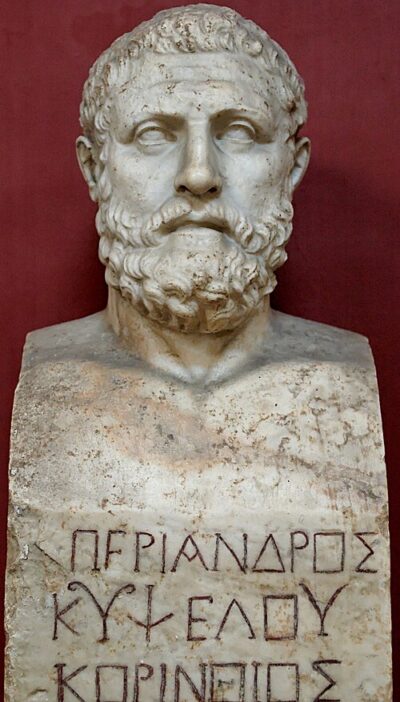 Periandersecond tyrant of Corinth
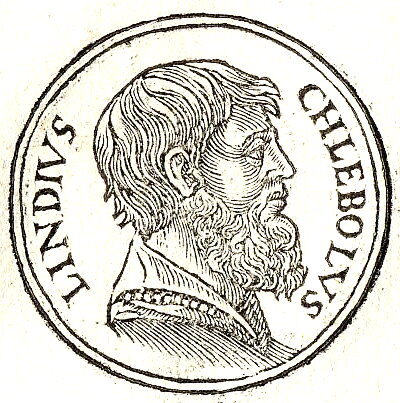 Cleobulus of Lindosancient philosopher
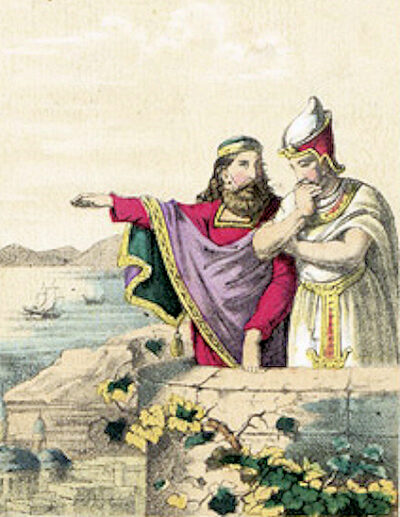 Polycrates6th century BC tyrant of Samos
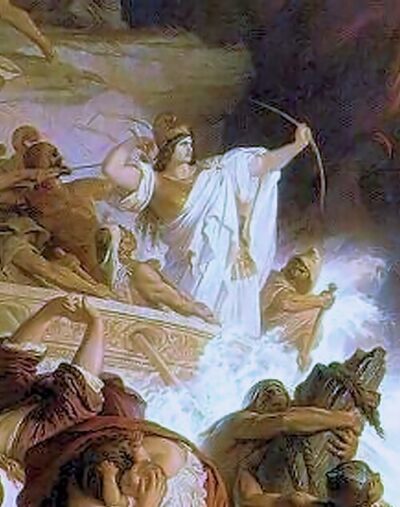 Artemisia I of Caria5th century BC queen of Halicarnassus, Kos, Nisyros and Kalymnos
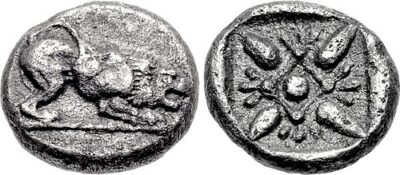 AristagorasGreek tyrant of the Ionian city of Miletus (died 497/6 BC)
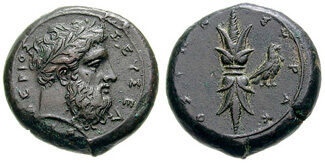 Dion of Syracuse4th-century BC Tyrant of Syracuse