
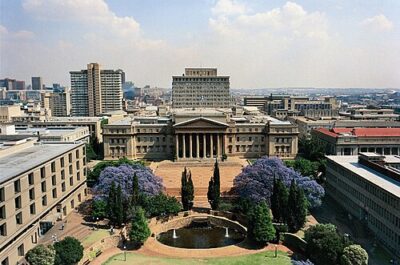
University of the Witwatersrand
The University of the Witwatersrand is a public research university in Johannesburg, South Africa. It was founded in 1896. It has 4,712 employees.
- Located in
- Johannesburg
- Country
- South Africa
- Founded
- 1896
- What it is
- public research university
All 12 facts, and where they come from
Facts
12 facts · 0 confirmed by two sources · 0 cited · 12 from one source
Where this comes from
Papalocal keeps its own record. It started from these sources; what each one said is kept here as it was copied, so a change on their side never changes this page by itself. Tap one to read its version.
What Wikidata says · copied November 17, 2026 · revision 2559487675
- Described as
- public research university in Johannesburg, South Africa
- Other names
- Wits University, University of Witwatersrand, Witwatersrand University, wits.ac.za, Wits, University of the Witwatersrand, Johannesburg
- What it is
- public research university · 1 reference; higher education institution; university
- Founded
- 1896
- Headquarters
- Johannesburg
- Located in
- Johannesburg
- Country
- South Africa
- Employees
- 4,712 · 1 reference
- Field
- humanities
- Also called
- Witsie; wits
- Official website
- https://www.wits.ac.za/
- Wikipedias with a page
- 44
Wikidata item Q534643 (wikidata.org/wiki/Q534643), public domain (CC0). Copied 2026-11-17.
What Wikipedia says · copied November 17, 2026 · revision 1381427654
The University of the Witwatersrand, Johannesburg (), commonly known as Wits University or Wits, is a leading multi-campus public research university situated in the economic hub of Johannesburg, South Africa. It is known for its academic and research excellence, commitment to social justice, and the advancement of the public good. It was ranked the top university in South Africa and 200th globally in July 2026, according to the Center for World University Rankings (CWUR), a widely accepted objective university ranking standard. Wits University has been recognised as the top-ranked university in sub-Saharan Africa for innovation performance in the 2025 Global Innovation Index.
The university has its roots in the mining industry, as do Johannesburg and the Witwatersrand in general. Founded in 1896 as the South African School of Mines in Kimberley, it is the third oldest South African university in continuous operation.
The university has an enrollment of 41,702 students as of 2025, of which approximately 20 percent on campus in the university's 17 residences. About 61 percent (25,835) of the university's total enrollment is for undergraduate study, with 39 percent (15,867) being postgraduate or occasional students. The university assists students to access higher education as far as its resources allow. The university has an acceptance rate of approximately 4.5%, having received 140,000 applications but only having accepted 6,300 students.
Wits has five faculties, 33 schools and seven campuses in Parktown, Braamfontein and a rural campus in Mpumalanga. The university hosts South Africa's only private teaching hospital, the Wits Donald Gordon Medical Centre. It also owns the Wits Sterkfontein Caves in the Cradle of Humankind World Heritage Site. In 2016 the Tshimologong Digital Innovation Precinct was opened in Braamfontein.
The Wits Rural Campus in Mpumalanga conducts longitudinal research in science, health, social and economic areas, which can for example, be compared to data in urban settings.
Nelson Mandela was one of four Nobel laureates that emanate from Wits - the others were Sir Sydney Brenner, Aaron Klug, and Nadine Gordimer, alongside several other prominent Witsies.
From the Wikipedia article “University of the Witwatersrand” (en.wikipedia.org/wiki/University_of_the_Witwatersrand), by its contributors, under CC BY-SA 4.0 (creativecommons.org/licenses/by-sa/4.0/). Copied 2026-11-17; not changed.
Confirmed Two sources agree. Cited One source, and it names where it got it. One source One source, without a reference of its own. Sources disagree The sources disagree. We show the best-supported value and keep theirs below.
Picture: Samuella99, via Wikimedia Commons · Copyrighted free use
People connected 25
Studied here
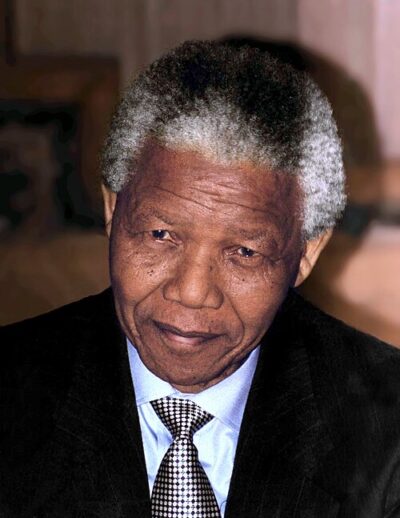 Nelson MandelaPresident of South Africa and anti-apartheid activist (1918–2013)
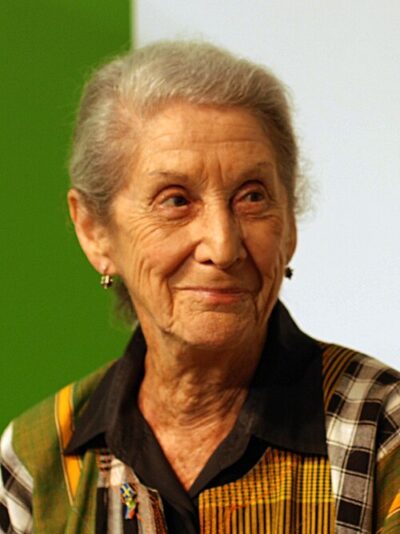 Nadine GordimerSouth African writer (1923–2014)
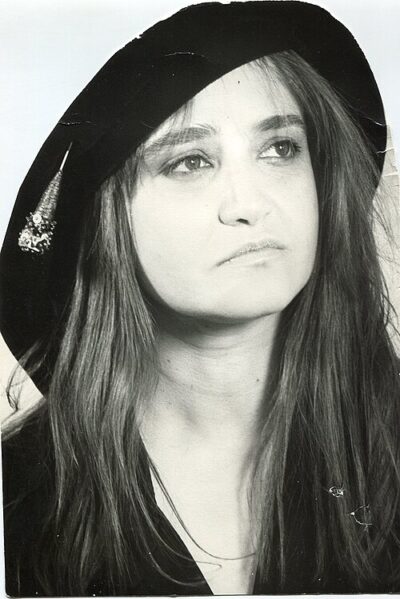 Angelique RockasSouth African Greek actress, producer, artistic director of Internationalist Theatre, and activist (born 1951)
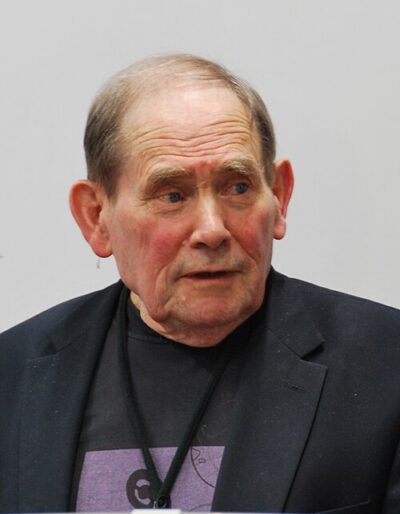 Sydney BrennerSouth African-British biologist, Nobel prize in Physiology or Medicine 2002 (1927–2019)
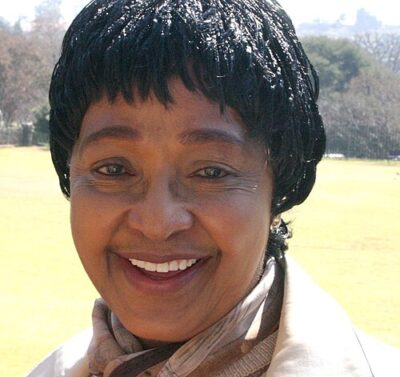 Winnie Madikizela-MandelaSouth African activist and politician (1936-2018)
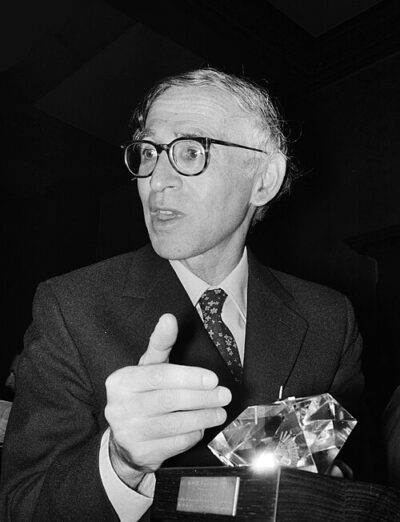 Aaron KlugBritish chemist and biophysicist
 Seretse KhamaFirst President of Botswana (1921–1980)
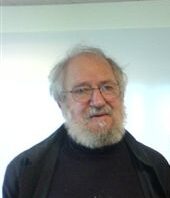 Seymour Papert (–1952)MIT mathematician, computer scientist, and educator (1928–2016)
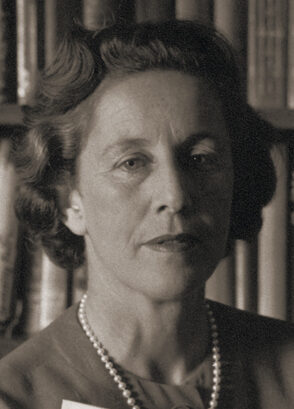 Helen SuzmanSouth African politician (1917–2009)
 Ruth FirstSouth African politician (1925-1982)
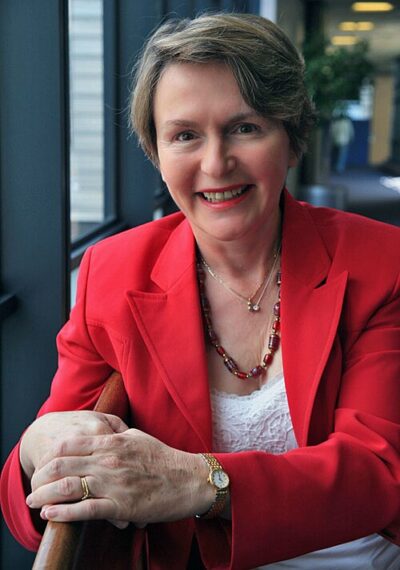 Helen ZilleSouth African politician
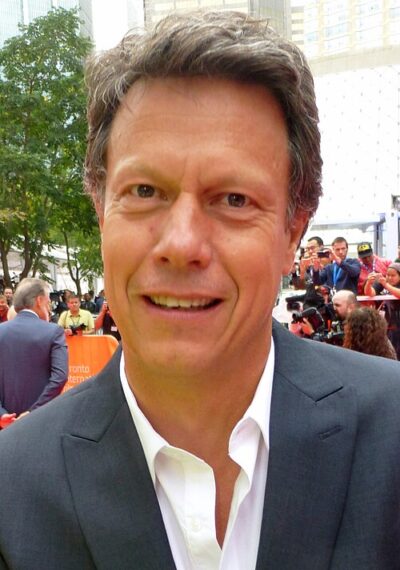 Gavin HoodSouth African filmmaker (born 1963)
- JJanet SuzmanSouth African-British actress
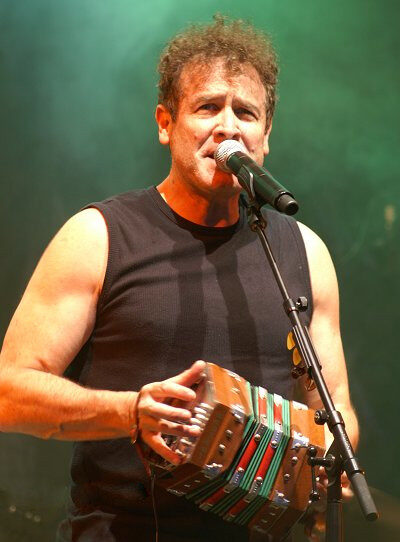 Johnny CleggBritish and South African musician, anthropologist and anti-apartheid icon
 Eduardo Chivambo MondlanePortuguese anthropologist
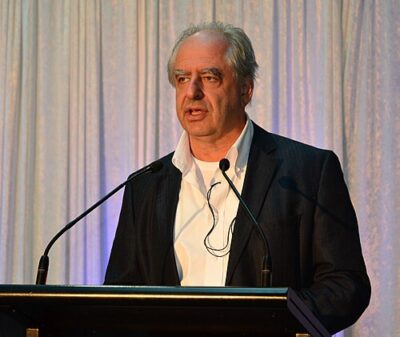 William KentridgeSouth African artist (born 1955)
 Joe SlovoSouth African politician (1926-1995)
 Denise Scott BrownAmerican architect (born 1931)
 Peter SarnakSouth African mathematician
 Rory ByrneSouth African engineer
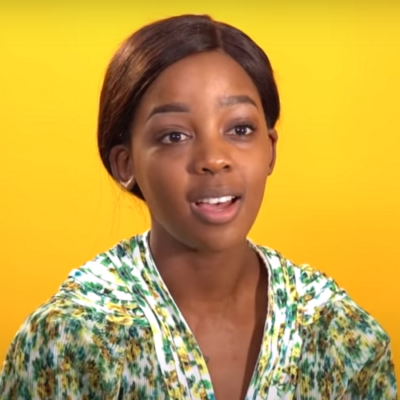 Thuso MbeduSouth African actress
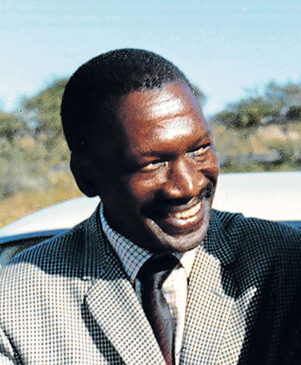 Robert Sobukwe (–1957)South African teacher, Pan-Africanist, and anti-apartheid activist (1924-1978)
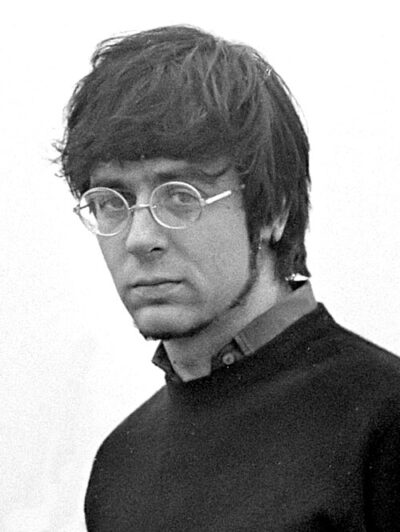 Manfred MannSouth African-born musician (born 1940)
Worked here
- Helen SuzmanSouth African politician (1917–2009)
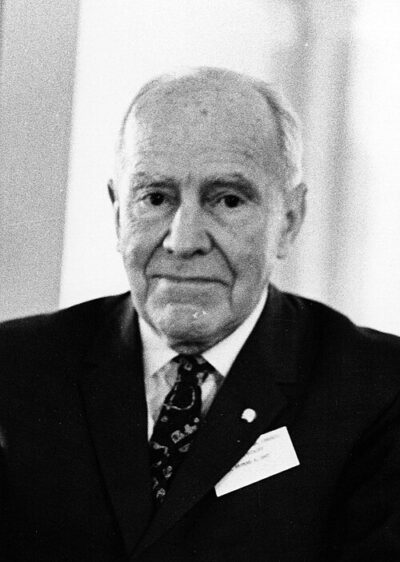 Raymond DartAustralian anatomist and anthropologist (1893-1988)
- Johnny CleggBritish and South African musician, anthropologist and anti-apartheid icon
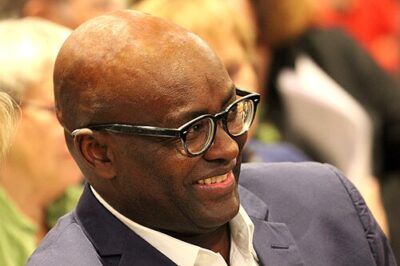 Achille MbembeCameroonian philosopher and political scientist (born 1957)
- Robert SobukweSouth African teacher, Pan-Africanist, and anti-apartheid activist (1924-1978)
