Ural State Technical University
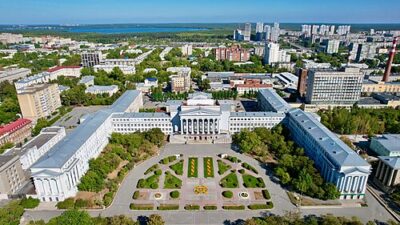
Ural State Technical University is a higher education institute in Yekaterinburg, Sverdlovsk Oblast, Russia. It was founded in 1920. 40,300 students study there. It won the Order of the Red Banner of Labour.
- Located in
- Yekaterinburg
- Country
- Russia
- Founded
- 1920
- Students
- 40,300
- What it is
- public university
All 13 facts, and where they come from
Facts
13 facts · 0 confirmed by two sources · 2 cited · 11 from one source
Where this comes from
Papalocal keeps its own record. It started from these sources; what each one said is kept here as it was copied, so a change on their side never changes this page by itself. Tap one to read its version.
What Wikidata says · copied November 17, 2026 · revision 2569275442
- Described as
- higher education institute in Yekaterinburg, Sverdlovsk Oblast, Russia
- What it is
- public university; architectural landmark · 1 reference; university
- Founded
- 1920
- Located in
- Yekaterinburg
- Country
- Russia · 1 reference; Soviet Union
- Students
- 40,300 · 1 reference
- Awards
- Order of the Red Banner of Labour; Order of the Red Banner of Labour
- Named after
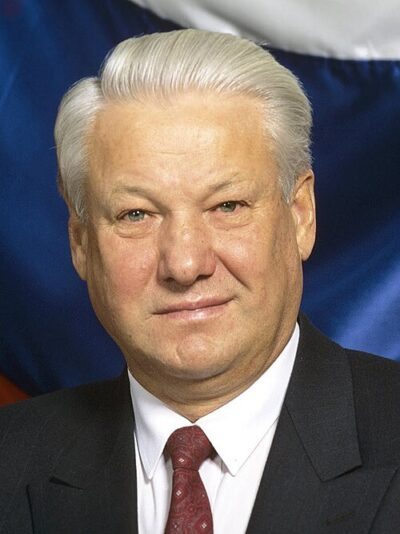
- Sergei Kirov (1934–1992); Boris Yeltsin (2008–)
- Official website
- http://www.ustu.ru/
- Wikipedias with a page
- 15
Wikidata item Q1938341 (wikidata.org/wiki/Q1938341), public domain (CC0). Copied 2026-11-17.
What Wikipedia says · copied November 17, 2026 · revision 1378998310
Ural State Technical University (USTU) is a public technical university in Yekaterinburg, Sverdlovsk Oblast, Russia. It is the biggest technical institution of higher education in Russia, with close ties to local industry in the Urals. Its motto, Ingenium Creatio Labor, means "brilliance, creation, work".
From the Wikipedia article “Ural State Technical University” (en.wikipedia.org/wiki/Ural_State_Technical_University), by its contributors, under CC BY-SA 4.0 (creativecommons.org/licenses/by-sa/4.0/). Copied 2026-11-17; not changed.
Confirmed Two sources agree. Cited One source, and it names where it got it. One source One source, without a reference of its own. Sources disagree The sources disagree. We show the best-supported value and keep theirs below.
Picture: Vyacheslav Bukharov, via Wikimedia Commons · CC BY-SA 4.0