
Viareggio Prize
Viareggio Prize is an Italian literary award. It was created in 1929 by Carlo Salsa, Leonida Rèpaci and Alberto Colantuoni.
- Country
- Italy
- Created
- 1929
All 8 facts, and where they come from
Facts
8 facts · 0 confirmed by two sources · 0 cited · 8 from one source
Where this comes from
Papalocal keeps its own record. It started from these sources; what each one said is kept here as it was copied, so a change on their side never changes this page by itself. Tap one to read its version.
What Wikidata says · copied November 17, 2026 · revision 2511659076
- Described as
- Italian literary award
- Other names
- Viareggio Literary Prize, Premio Viareggio
- What it is
- literary award
- Created
- 1929
- Founded by
- Carlo Salsa; Leonida Rèpaci; Alberto Colantuoni
- Country
- Italy
- Named after
- Viareggio
- Official website
- http://www.premioletterarioviareggiorepaci.it/
- Wikipedias with a page
- 16
Wikidata item Q1526935 (wikidata.org/wiki/Q1526935), public domain (CC0). Copied 2026-11-17.
What Wikipedia says · copied November 17, 2026 · revision 1369403381
The Viareggio Prize (Italian: Premio Viareggio or Premio Letterario Viareggio-Rèpaci) is an Italian literary prize, first awarded in 1930. Named after the Tuscan city of Viareggio, it was conceived by three friends, Alberto Colantuoni, Carlo Salsa and Leonida Repaci, to rival the Bagutta Prize awarded in Milan.
The Viareggio-Versilia International Prize is also awarded by the jury each year to a prominent figure whose work fosters dialogue among peoples, advances social progress, and promotes peace.
From the Wikipedia article “Viareggio Prize” (en.wikipedia.org/wiki/Viareggio_Prize), by its contributors, under CC BY-SA 4.0 (creativecommons.org/licenses/by-sa/4.0/). Copied 2026-11-17; not changed.
Confirmed Two sources agree. Cited One source, and it names where it got it. One source One source, without a reference of its own. Sources disagree The sources disagree. We show the best-supported value and keep theirs below.
People connected 19
Won it
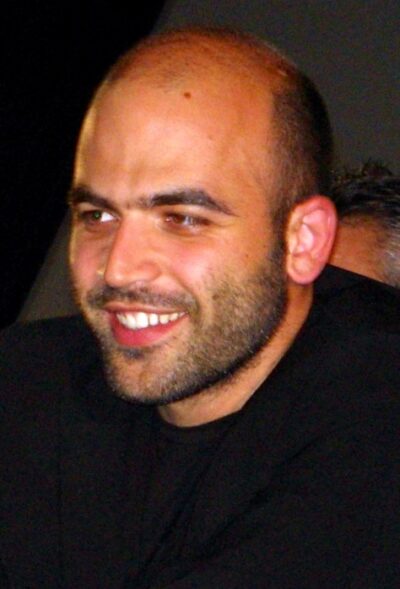 Roberto Saviano (2006)Italian journalist and writer (born 1979)
 Niccolò Ammaniti (2001)Italian writer (1966)
 Carlo Ginzburg (1998)Italian historian (1939–2026)
 Alda Merini (1996)Italian writer and poet (1931-2009)
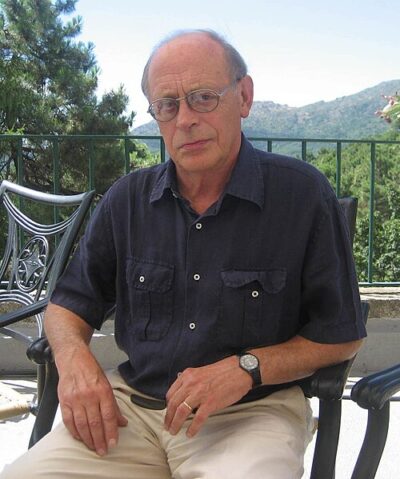 Antonio Tabucchi (1994)Italian writer and literary scholar (1943-2012)
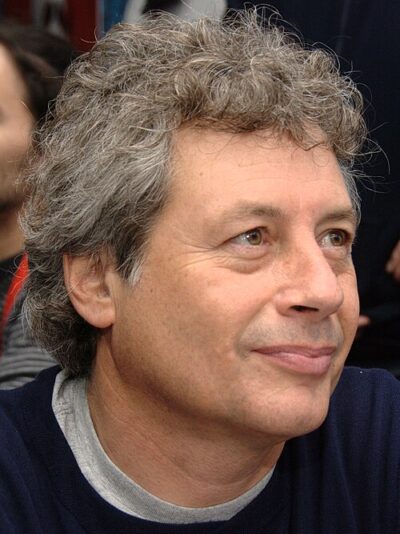 Alessandro Baricco (1993)Italian writer
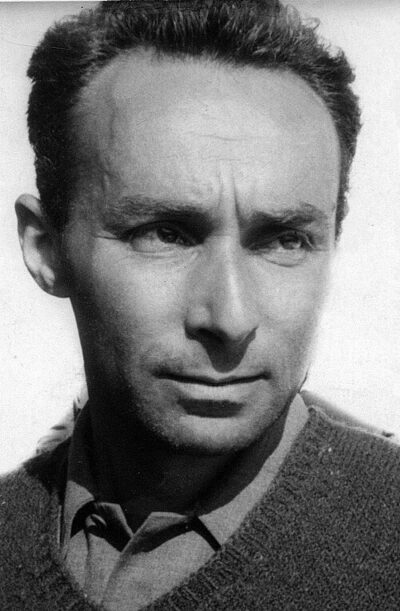 Primo Levi (1982)Italian chemist, partisan, Holocaust survivor, and writer (1919–1987)
 Giorgio Bassani (1962)Italian writer
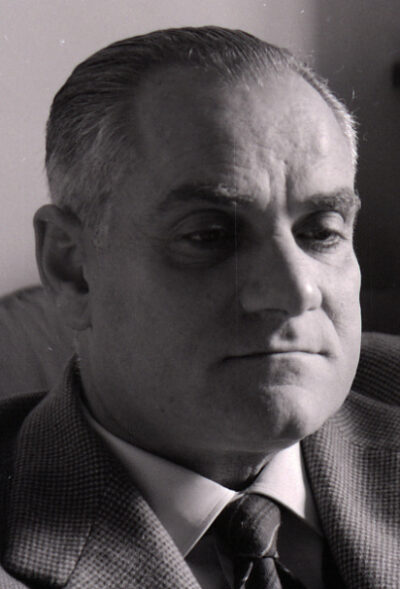 Alberto Moravia (1961)Italian writer and journalist (1907-1990)
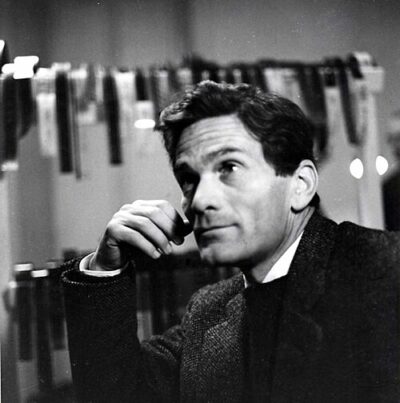 Pier Paolo Pasolini (1957)Italian writer, filmmaker, poet, and intellectual (1922–1975)
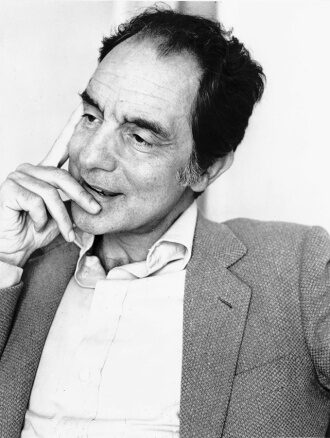 Italo Calvino (1957)Italian journalist and writer (1923-1985)
 Carlo Levi (1956)Italian painter, writer, politic and anti-fascist (1902-1975)
 Vasco Pratolini (1955)Italian writer (1913-1991)
 Carlo Emilio Gadda (1953)Italian writer (1893-1973)
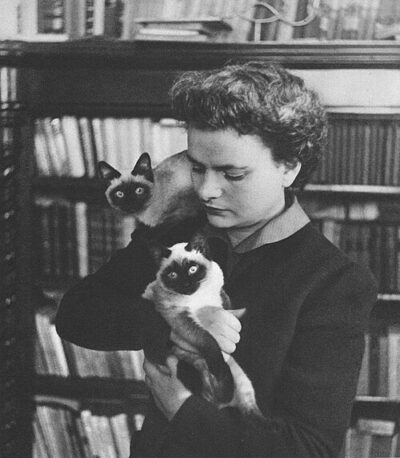 Elsa Morante (1948)Italian novelist (1912–1985)
 Sibilla Aleramo (1948)Italian writer and feminist, editor (1876-1960)
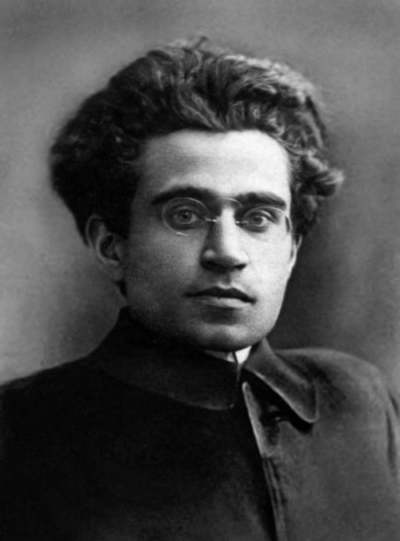 Antonio Gramsci (1947)Italian Marxist philosopher, writer, and politician (1891–1937)
 Umberto Saba (1946)Italian poet and novelist (1883-1957)
 Giulio AngioniItalian anthropologist and writer (1939–2017)
