
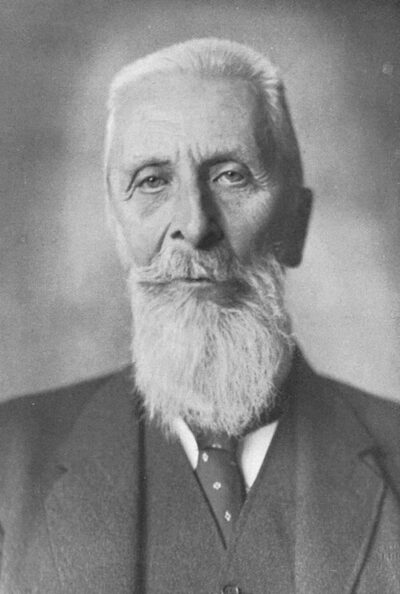
Albert Apponyi
Albert Apponyi was a Hungarian politician. Born May 29, 1846, in Vienna. Died February 7, 1933, in Geneva. Positions held include Minister of Education and Religious Affairs of Hungary (2 times) (1906–1918) and member of the National Assembly of Hungary (3 times) (1872–1933). Educated at Eötvös Loránd University and University of Vienna. Awards include honorary citizen of Budapest, honorary citizen of Kaposvár and honorary citizen of Dunakeszi.
Facts
29 facts · 2 confirmed by two sources · 7 cited · 20 from one source
Where this comes from
Papalocal keeps its own record. It started from these sources; what each one said is kept here as it was copied, so a change on their side never changes this page by itself. Tap one to read its version.
What Wikidata says · copied November 18, 2026 · revision 2568457257
- Described as
- Hungarian politician (1846-1933)
- Other names
- Count Albert Apponyi
- Born
- May 29, 1846 · 8 references
- Died
- February 7, 1933 · 8 references
- Born in
- Vienna · 3 references
- Died in
- Geneva · 3 references
- Name at birth
- Apponyi Albert György Gyula Mária
- Citizen of
- Hungary
- Occupation
- politician · 2 references; writer; diplomat; minister · 1 reference
- Positions held
- Minister of Education and Religious Affairs of Hungary (2 times) (1906–1918); member of the National Assembly of Hungary (3 times) (1872–1933) · 1 reference
- Political party
- Deák Party · 1 reference; National Party · 1 reference; Moderate Opposition · 1 reference; Party of Independence and '48 · 1 reference
- Education
- Eötvös Loránd University; University of Vienna
- Member of
- Hungarian Academy of Sciences
- Awards
- honorary citizen of Budapest (1921–1993); honorary citizen of Kaposvár (1921); honorary citizen of Dunakeszi (1921)
- Field
- politics · 1 reference; educational system · 1 reference
- Spouse
- Clotilde Apponyi (1897–) · 2 references
- Children
- György Apponyi; Gräfin Maria Apponyi de Nagy-Appony
- Father
- György Apponyi
- Mother
- Juliane, Gräfin Sztáray de Sztára et Nagy-Mihály · 1 reference
- Wikipedias with a page
- 24
Wikidata item Q460211 (wikidata.org/wiki/Q460211), public domain (CC0). Copied November 18, 2026.
What Wikipedia says · copied November 18, 2026 · revision 1386192857
Albert György Gyula Mária Apponyi, Count of Nagyappony (Hungarian: Gróf nagyapponyi Apponyi Albert György Gyula Mária; 29 May 1846 – 7 February 1933) was a Hungarian aristocrat and statesman. Apponyi sat in the Hungarian Parliament for an almost-uninterrupted period between 1872 and 1918, during which he served several times as a minister and became an advisor to the Imperial and Royal court in Vienna. After the defeat of Austria-Hungary in World War I, Apponyi led the Hungarian delegation to the Treaty of Trianon, the outcome of which he vehemently protested, and became Hungary's representative to the League of Nations. Remembered as one of the foremost Hungarians of his time, Apponyi's staunch, eloquent nationalism and advocacy for Magyarization made him extremely popular among Hungarians, but earned him few friends among the Kingdom's linguistic minorities.
He was a board member of the Hungarian Academy of Sciences, Chairman of Saint Stephen's Academy from 1921 to 1933, and a knight of the Austrian Order of the Golden Fleece from 1921. He was nominated for Nobel Peace Prize five times.
- Born, in its opening lines
- May 29, 1846
- Died, in its opening lines
- February 7, 1933
From the Wikipedia article “Albert Apponyi” (en.wikipedia.org/wiki/Albert_Apponyi), by its contributors, under CC BY-SA 4.0 (creativecommons.org/licenses/by-sa/4.0/). Copied November 18, 2026; not changed.
Confirmed Two sources agree. Cited One source, and it names where it got it. One source One source, without a reference of its own. Sources disagree The sources disagree. We show the best-supported value and keep theirs below.
