Hungarian Academy of Sciences
The Hungarian Academy of Sciences is a learned society of Hungary. It was founded in 1825 by István Széchenyi. Its headquarters are in the main building of the Hungarian Academy of Sciences.
- Founded
- November 3, 1825
- Founded by
- István Széchenyi
- Headquarters
- main building of the Hungarian Academy of Sciences (1865–)
- Country
- Hungary
All 10 facts, and where they come from
Facts
10 facts · 0 confirmed by two sources · 5 cited · 5 from one source
Where this comes from
Papalocal keeps its own record. It started from these sources; what each one said is kept here as it was copied, so a change on their side never changes this page by itself. Tap one to read its version.
What Wikidata says · copied November 16, 2026 · revision 2570306544
- Described as
- learned society of Hungary
- Other names
- Magyar Tudományos Akadémia, MTA, Magyar Tudomanyos Akademia, HAS, Academiae Scientiarum Hungaricae
- What it is
- academy of sciences; public body; national academy
- Founded
- November 3, 1825 · 1 reference
- Founded by
- István Széchenyi · 1 reference
- Headquarters
- main building of the Hungarian Academy of Sciences (1865–) · 1 reference
- Country
- Hungary · 3 references
- Chair
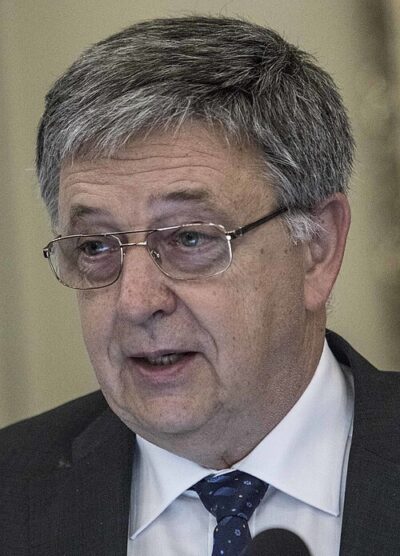
- József Pálinkás (2008–2014) · 1 reference; László Lovász (2014–) · 1 reference
- Official website
- https://mta.hu
- Wikipedias with a page
- 40
Wikidata item Q265058 (wikidata.org/wiki/Q265058), public domain (CC0). Copied 2026-11-16.
What Wikipedia says · copied November 16, 2026 · revision 1383389026
The Hungarian Academy of Sciences (Hungarian: Magyar Tudományos Akadémia [ˈmɒɟɒr ˈtudomaːɲoʃ ˈɒkɒdeːmijɒ], MTA) is the most important and prestigious learned society of Hungary. Its seat is at the bank of the Danube in Budapest, between Széchenyi rakpart and Akadémia utca. Its main responsibilities are the cultivation of science, dissemination of scientific findings, supporting research and development, and representing Hungarian science domestically and around the world.
From the Wikipedia article “Hungarian Academy of Sciences” (en.wikipedia.org/wiki/Hungarian_Academy_of_Sciences), by its contributors, under CC BY-SA 4.0 (creativecommons.org/licenses/by-sa/4.0/). Copied 2026-11-16; not changed.
Confirmed Two sources agree. Cited One source, and it names where it got it. One source One source, without a reference of its own. Sources disagree The sources disagree. We show the best-supported value and keep theirs below.
Picture: Wikimedia Commons: Budapest, Magyar Tudományos Akadémia 24.jpeg · See Commons file page
People connected 167
Members 167
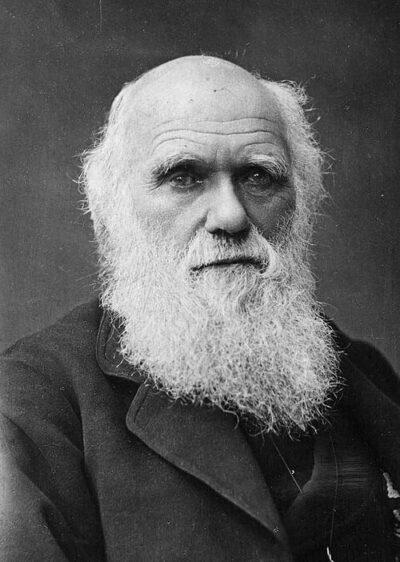 Charles DarwinEnglish naturalist and biologist (1809–1882)
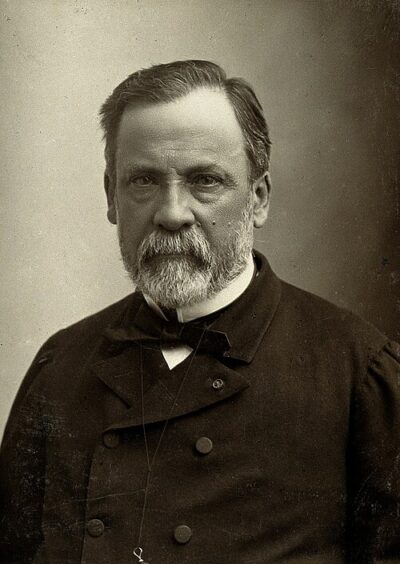 Louis PasteurFrench chemist and microbiologist (1822–1895)
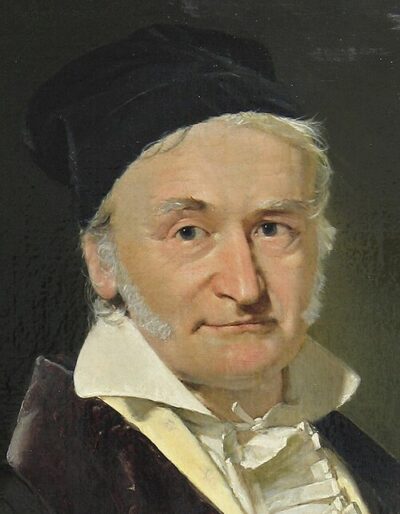 Carl Friedrich GaussGerman mathematician and physicist (1777–1855)
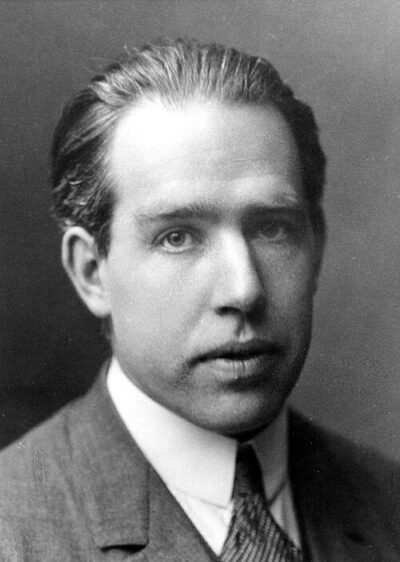 Niels BohrDanish physicist (1885–1962)
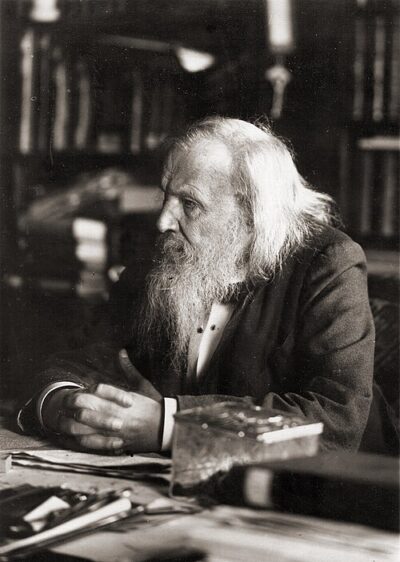 Dmitri Mendeleev (1900–)Russian chemist (1834–1907)
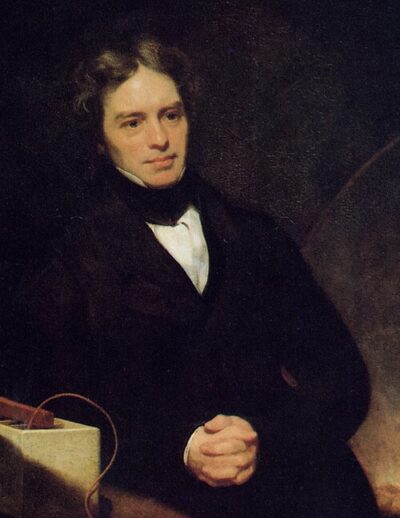 Michael FaradayBritish scientist (1791–1867)
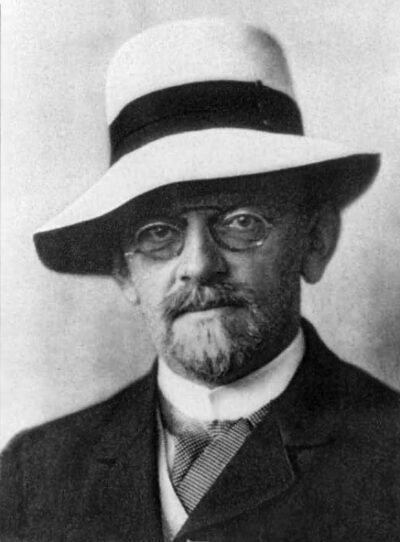 David HilbertGerman mathematician (1862–1943)
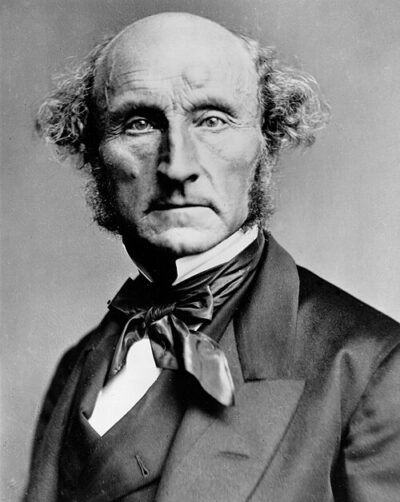 John Stuart MillBritish philosopher and political economist (1806–1873)
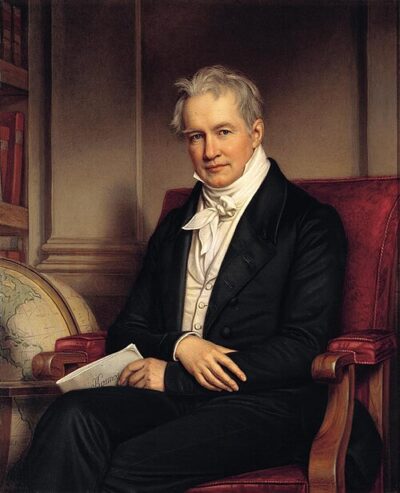 Alexander von HumboldtPrussian geographer, naturalist and explorer (1769–1859)
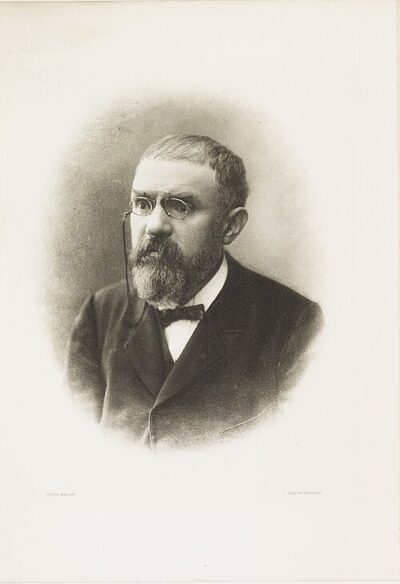 Henri PoincaréFrench mathematician, physicist and engineer (1854–1912)
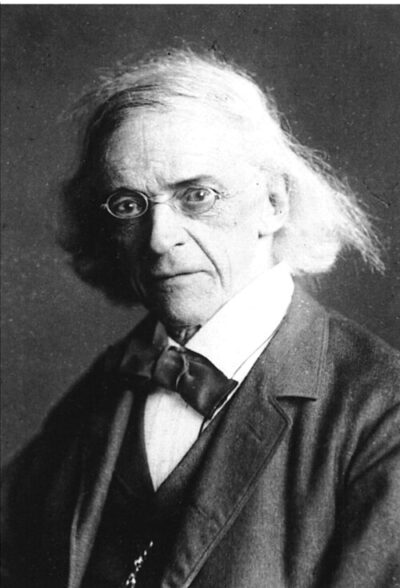 Theodor MommsenGerman classical scholar and historian (1817–1903)
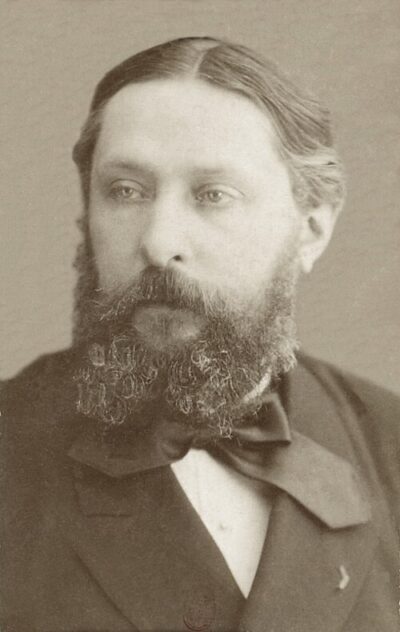 Sully PrudhommeFrench poet, Nobel prize for literature winner 1901 (1839–1907)
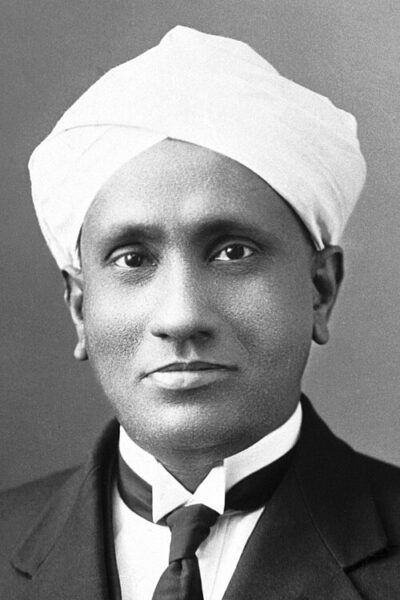 Chandrasekhara Venkata Raman (1937–)Indian physicist (1888–1970)
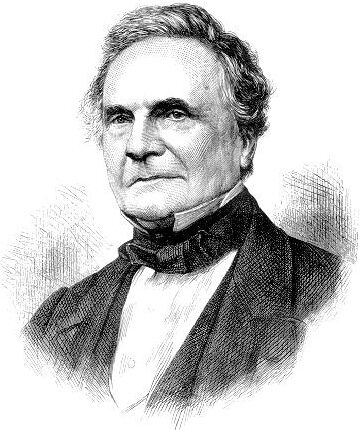 Charles BabbageEnglish mathematician, philosopher, and engineer (1791–1871)
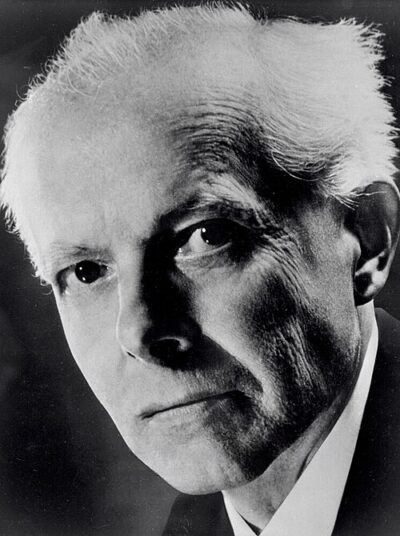 Béla Bartók (1935–1945)Hungarian composer and pianist (1881–1945)
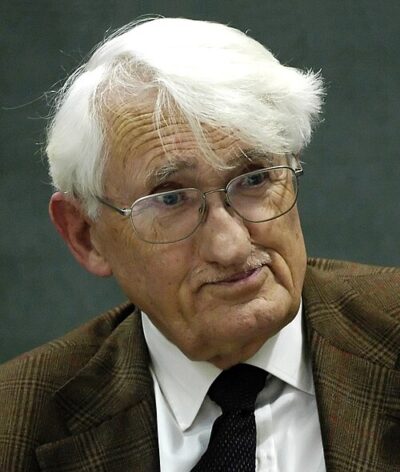 Jürgen HabermasGerman sociologist and philosopher (1929–2026)
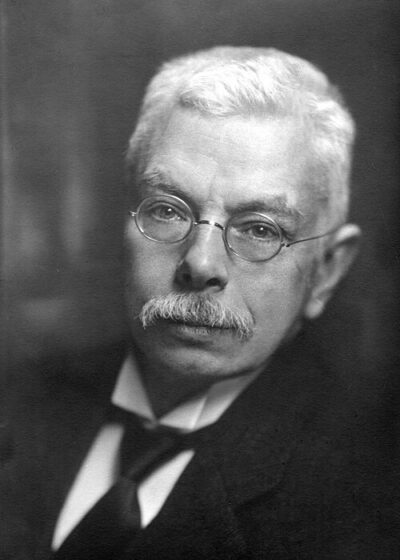 Pieter ZeemanDutch physicist (1865–1943)
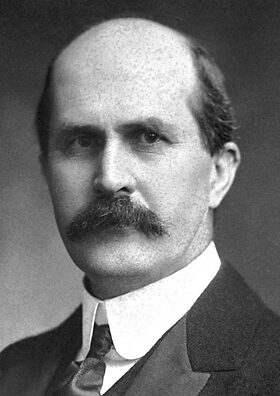 William Henry BraggBritish scientist (1862–1942)
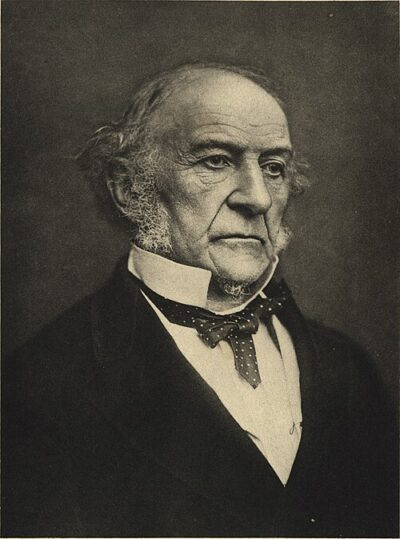 William Ewart GladstoneBritish Liberal prime minister (1809–1898)
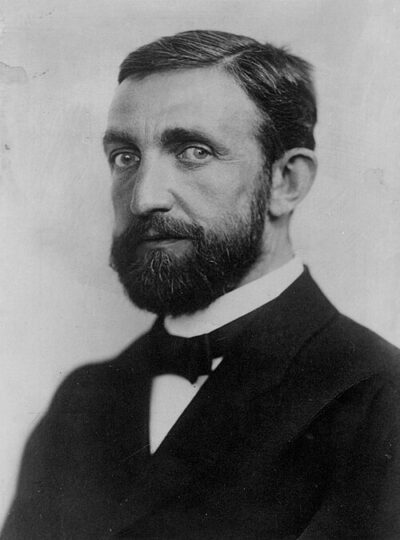 Philipp LenardGerman physicist (1862–1947)
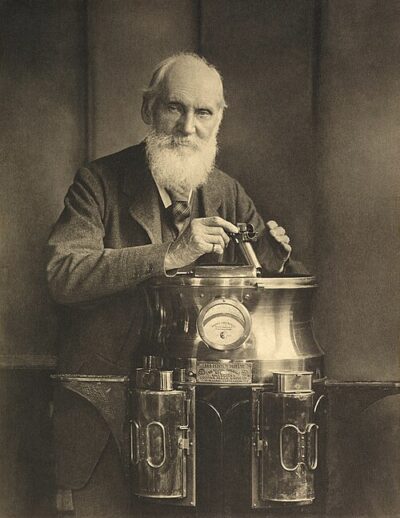 William Thomson, 1st Baron KelvinBritish physicist and engineer (1824–1907)
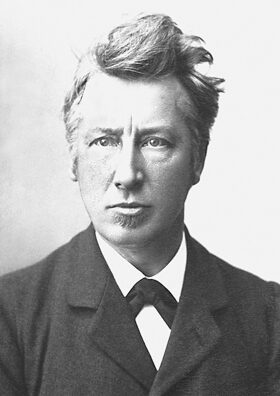 Jacobus Henricus van 't HoffDutch physical and organic chemist (1852-1911)
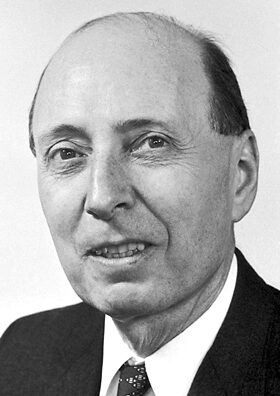 Eugene Paul WignerHungarian-American physicist and mathematician (1902–1995)
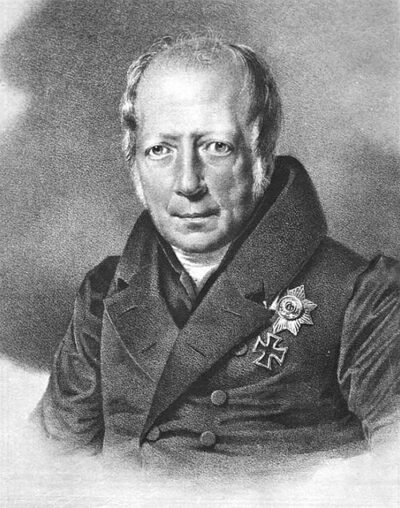 Wilhelm von HumboldtPrussian philosopher, government official, diplomat, and educator (1767–1835)
and 143 more